
Thymus, once deemed useless, cuts death risk by half, Harvard study finds
This digest was compiled by AI from multiple sources — links to the originals are below.
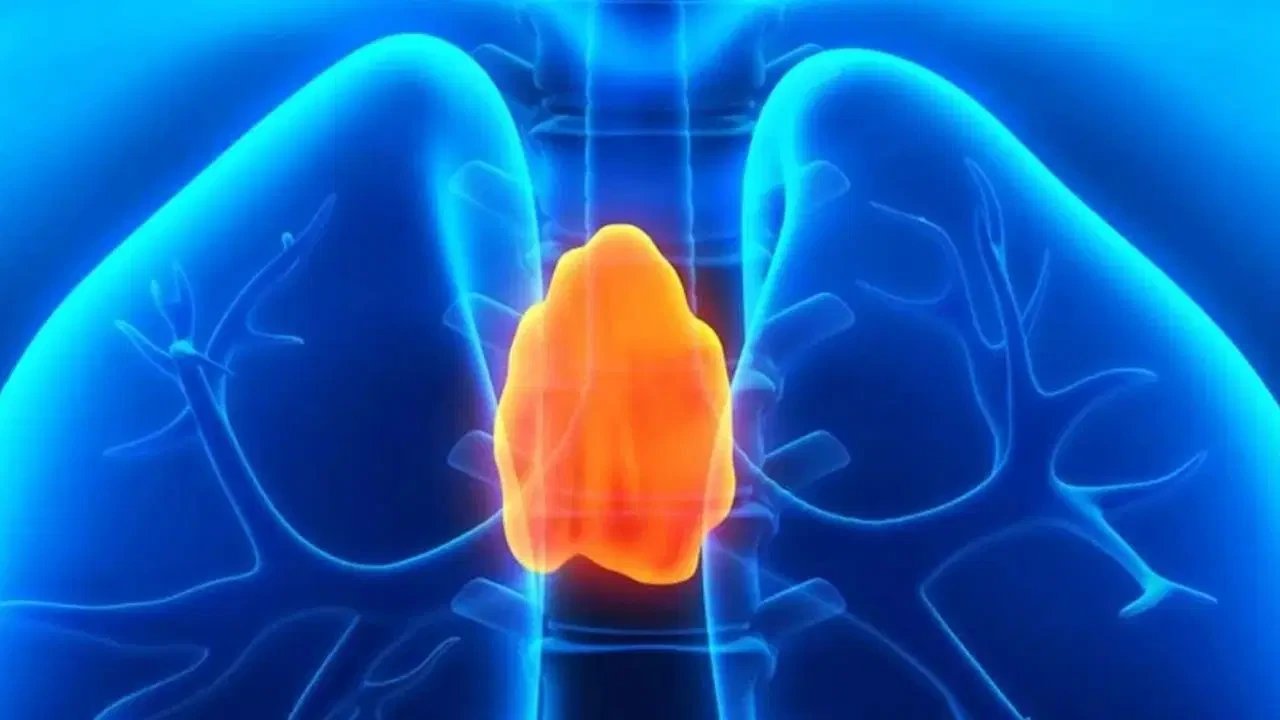
A Harvard-led study published in Nature reveals that the thymus gland, long considered vestigial in adults, provides strong protection against cancer and early death. Analyzing over 27,000 CT scans with AI, researchers found that individuals with a healthier thymus had a 50% lower all-cause mortality risk over 12 years. The discovery challenges decades of medical teaching even as the organ naturally shrinks with age.
The Thymus Study
Researchers at Harvard Medical School and Mass General Brigham, led by Prof. Hugo Aerts, used AI algorithms to analyze thymus tissue in over 27,000 individuals from CT scans. They created a 'thymic health score' based on size, shape, and structure. The study, published in Nature, followed participants for 12 years, controlling for age, smoking, and chronic disease. The results showed that a high thymic health score correlated with dramatically lower mortality and cancer rates.
Cancer and Mortality Risk
Individuals in the high thymic health group had a 50% lower risk of death from any cause over the 12-year follow-up. Lung cancer incidence was 36% lower, and death from lung cancer was 50% lower. Cardiovascular mortality declined even more sharply, with risk reductions ranging from 63% to 92%. The protective effect persisted after adjusting for risk factors, suggesting a direct role of the thymus in immune surveillance.
Immunotherapy Impact
Prof. Aerts noted that patients undergoing immunotherapy showed significantly better outcomes when their thymus was healthy. The finding suggests thymus health could become a routine clinical metric, similar to heart or kidney function. Experts suggest that preserving thymus function might improve cancer treatment and healthy aging, potentially leading to new therapies to rejuvenate the organ.
1 source
Time · lag behind first