Nagoya University researchers find C3 protein produced in tumors boosts cancer immunotherapy
This digest was compiled by AI from multiple sources — links to the originals are below.
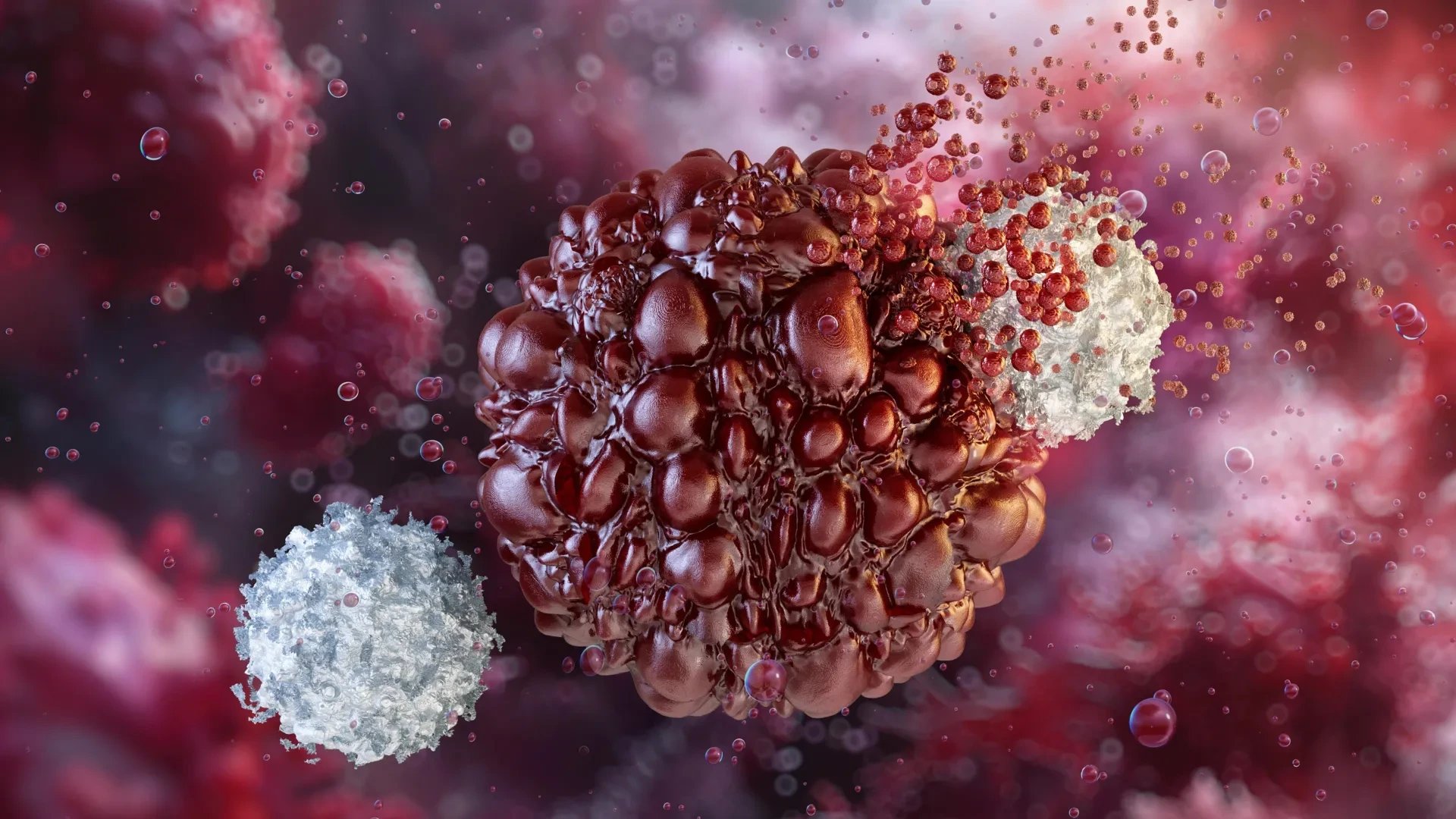
Nagoya University researchers have discovered that the immune protein C3, when produced locally within tumor tissue, blocks immune-suppressing cells and improves the effectiveness of cancer immunotherapy. The finding, published in Nature Communications on August 8, suggests that boosting local C3 production could benefit patients whose tumors lack it.
Local C3's Role
The study, led by Yuki Miyai at Nagoya University, showed that C3 produced by cancer-associated fibroblasts prevents immunosuppressive myeloid cells from infiltrating the tumor microenvironment. In mouse experiments, reducing liver-produced C3 by 90% did not affect the efficacy of anti-PD-1 immunotherapy. However, when fibroblasts stopped producing C3 inside the tumor, the same treatment became less effective, even though circulating C3 fell by only 9%. This demonstrates that locally produced C3, not systemic C3, is critical for immunotherapy response.
Evolutionary Origins
C3 is an ancient immune molecule, found in organisms that lack a circulatory system, such as sponges and jellyfish. Most C3 is synthesized in the liver and circulates in the blood, where it helps defend against infections. Its local role within tissues had been poorly understood until now. The Nagoya University findings reveal that tumor-localized C3 has a distinct immune-modulating function that could be harnessed therapeutically.
Therapeutic Potential
The researchers were able to recreate the local C3 effect in tumors that did not naturally produce it, significantly improving survival in mice receiving immunotherapy. This suggests that enhancing C3 production within tumors could overcome treatment resistance in patients. The study, published in Nature Communications, provides a new target for combination therapies aimed at boosting the immune system's ability to fight cancer.
What's Next
The Nagoya team is now investigating methods to safely increase C3 production in human tumor tissue, a step that will likely require years of preclinical development. It remains uncertain whether the mouse findings will translate to human cancers, given the complexity of tumor biology and individual patient variability.
1 source
Nagoya University researchers find C3 protein produced in tumors boosts cancer immunotherapy