Bessent's bill-heavy strategy conceals $1.45 trillion shortfall, threatening fiscal stability
This digest was compiled by AI from multiple sources — links to the originals are below.

The Treasury Borrowing Advisory Committee warns that the government faces a $1.45 trillion funding shortfall in fiscal 2027–28 due to heavy reliance on short-term bills. Treasury Secretary Scott Bessent has financed the $2 trillion deficit mainly with T-bills, keeping immediate borrowing costs down but increasing exposure to inflation and rate risks. The mismatch is set to collide with the Federal Reserve's plan to shrink its balance sheet, heightening long-term debt market stress.
The TBAC Warning
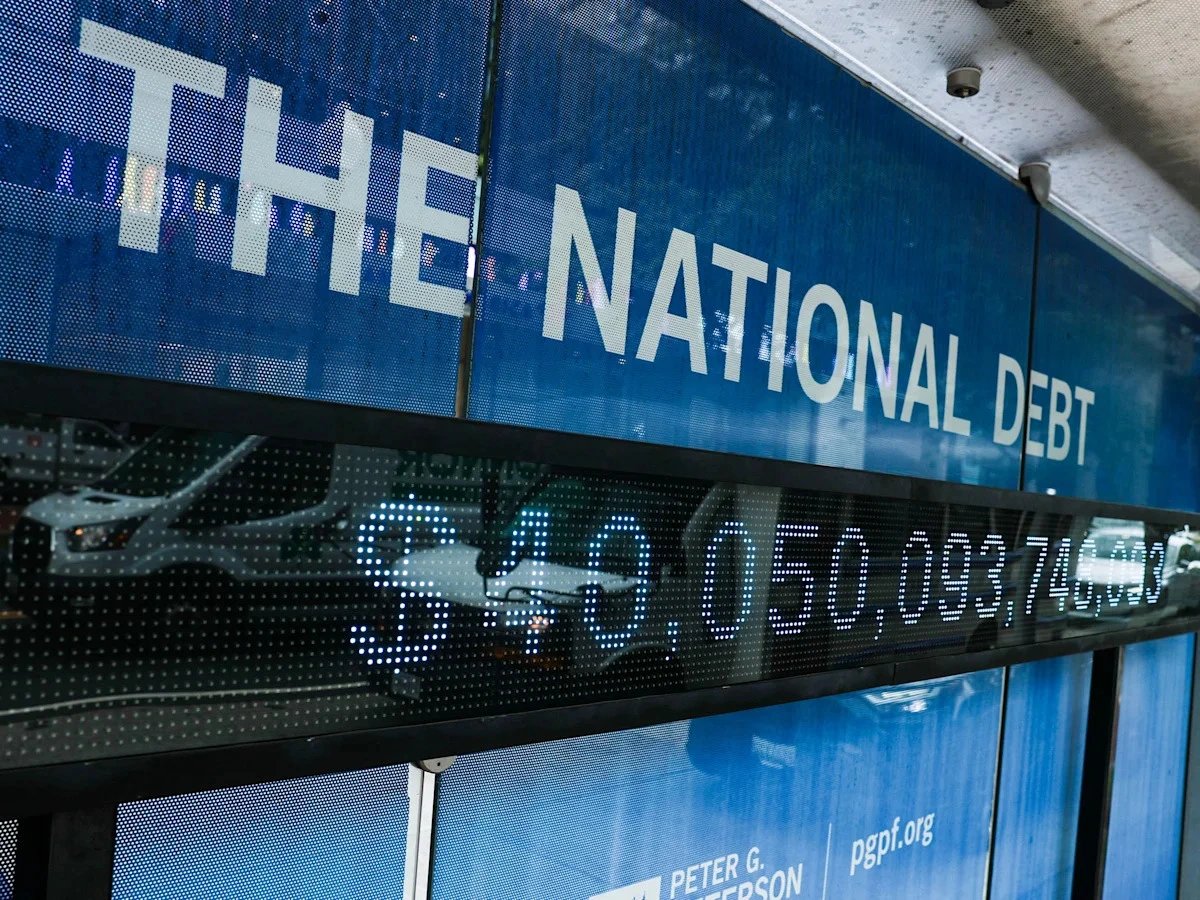
The Treasury Borrowing Advisory Committee, a panel of senior bond dealers and investors, warned on Aug. 5 that at current auction sizes, the U.S. faces a $1.45 trillion funding shortfall across fiscal 2027 and 2028. The minutes noted rising interest costs drove the biggest jump in Treasury outlays this year, up $120 billion, with total annual interest on government debt now surpassing $1 trillion — more than defense spending. The committee cautioned that the Treasury's growing reliance on short-term bills to finance the deficit has created a structural mismatch leaving the government vulnerable to refinancing risk.
Bessent's Bill Strategy
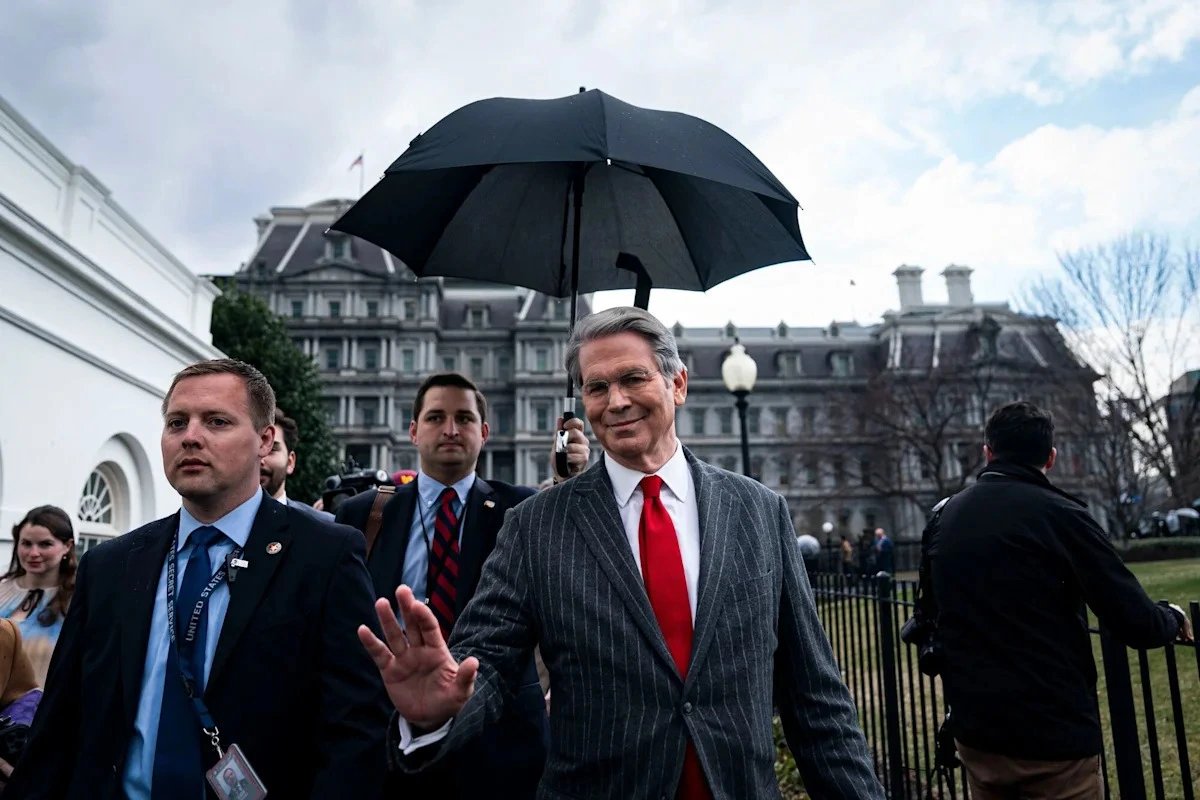
Treasury Secretary Scott Bessent has financed the roughly $2 trillion annual deficit by leaning unusually heavily on T-bills, which yield around 3.8% as of writing versus 4.6% for 10-year notes and above 5% for 30-year bonds. This approach artificially holds down reported borrowing costs but exposes the government to the risk that inflation or rising rates could spike its interest bill when those bills are rolled over. The strategy, while not originated by Bessent, has been extended and may become increasingly untenable if the Treasury is forced back toward longer-term debt.
Collision with the Fed
Jon Hilsenrath, former Wall Street Journal Fed watcher now at Serpa Pinto Advisory, warns that a collision is taking shape between the Treasury's funding needs and the Fed's balance sheet plans. The Fed under new Chair Kevin Warsh is moving to shrink its holdings, with minutes noting dealers expect the Fed’s portfolio to shift toward shorter maturities and more bills. Hilsenrath argues that a new Fed committee, due to report in December, will likely conclude the central bank is overstocked on long-term Treasuries and must reduce them, creating two waves of long-term supply hitting the market simultaneously with fewer buyers.
What's Next
The immediate trigger may be the Fed committee’s December report on the balance sheet, which is widely expected to recommend a faster unwind of long-term bonds. It remains unclear whether Treasury can adapt its issuance strategy in time, and analysts warn that any cracks in the Treasury market could cascade into broader financial instability.
1 source
Bessent's bill-heavy strategy conceals $1.45 trillion shortfall, threatening fiscal stability