
Kazakhstan proposes origin rules for EAEU market; bloc signs e-commerce, academic pacts
This digest was compiled by AI from multiple sources — links to the originals are below.
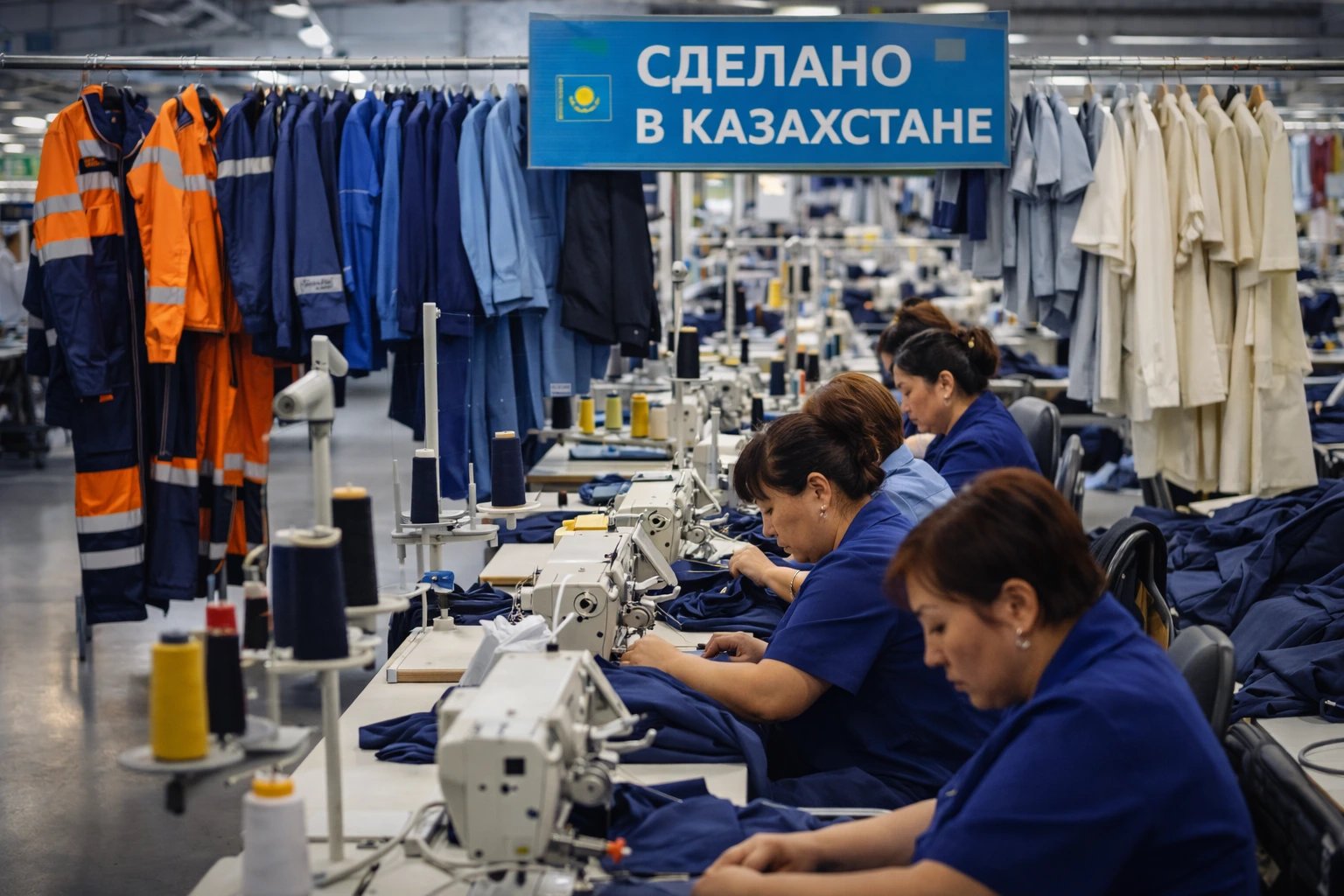
Kazakhstan’s Ministry of Industry and Construction has drafted new rules to streamline confirmation of goods’ origin, aiming to boost domestic producers’ access to EAEU state procurement. Separately, EAEU prime ministers signed agreements on electronic commerce, broker access to exchanges, and mutual recognition of academic titles at a meeting in Cholpon-Ata, Kyrgyzstan. The bloc’s internal trade is projected to reach $102 billion in 2026, up 7.3% from last year.
New Origin Confirmation Rules
The draft rules define procedures for expert examination, issuance, storage, and revocation of certificates of origin. The aim is to make the system more transparent and help Kazakh manufacturers enter the Eurasian Industrial Goods Register, a prerequisite for participating in state and municipal procurement across EAEU countries. The Ministry of Industry and Construction stated that unified procedures will enhance competitiveness and industrial cooperation within the bloc. The proposal is published on the Open Legal Acts portal for public discussion.
E-commerce and Broker Access Agreements
Prime ministers at the Cholpon-Ata meeting signed an agreement on electronic commerce to facilitate cross-border online trade, ensure product safety, and clarify liability of trading platforms. A separate deal grants brokers and dealers mutual access to stock exchanges, advancing the common financial market. The bloc’s internal trade is forecast to grow 7.3% to $102 billion this year, driven partly by digital trade expansion, according to officials. Kazakhstan proposed accelerating digitalization, deploying AI, removing barriers for food exporters, and establishing a data center hub in Ekibastuz, DKNews.kz reported.
Academic Title Recognition
The heads of government signed an agreement mutually recognizing documents of academic titles—including senior researcher, associate professor, and professor—without additional national verification, according to Azattyq Ryhy and Kazinform. The agreement allows scientific and teaching staff to work freely across the EAEU common labor market, reducing administrative and financial costs. It also covers titles awarded before its entry into force.