
IMPACC Study of 1,154 Patients Reveals Herpesvirus Reactivation in COVID-19
This digest was compiled by AI from multiple sources — links to the originals are below.
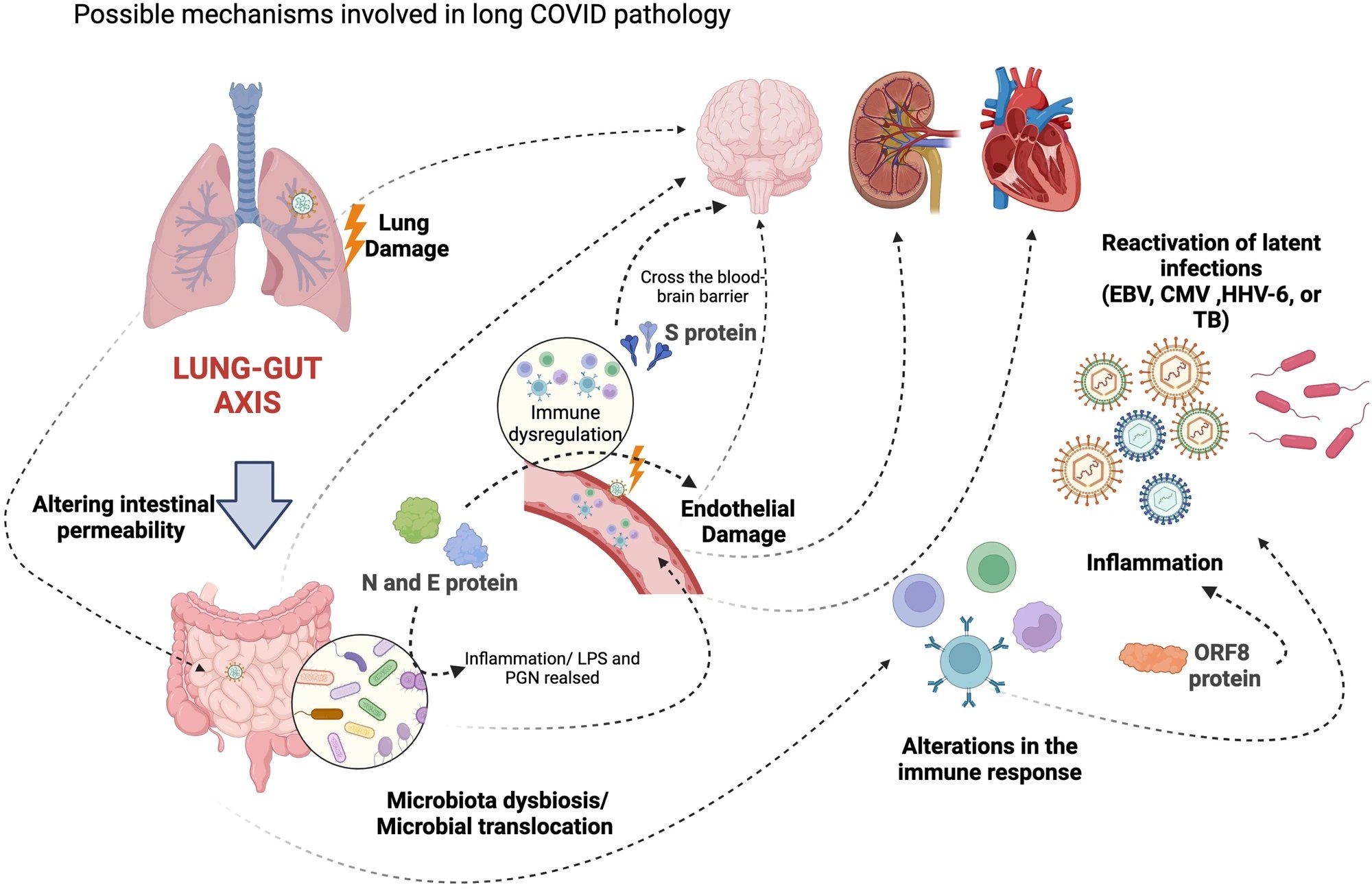
Researchers analyzing multi-omic data from 1,154 hospitalized COVID-19 patients have discovered that SARS-CoV-2 infection triggers reactivation of chronic herpesviruses and anelloviruses, a process linked to disease severity and long COVID. The reactivation occurred frequently even in immunocompetent individuals, contradicting prior assumptions that it stems solely from immunosuppression. The findings, published Aug. 5 in Nature, also indicate that anellovirus reactivation persists during convalescence and is associated with long COVID.
Reactivation Patterns
The IMPACC study tracked 1,154 hospitalized COVID-19 patients using multi-omic data, uncovering significant reactivation of latent Herpesviridae and Anelloviridae. Epstein-Barr virus and cytomegalovirus were among those reactivated, with distinct temporal dynamics peaking at different stages of acute illness. Contrary to prevailing models, these reactivations were not confined to immunosuppressed patients but occurred frequently in those with competent immune systems, driven instead by severe physiological stress and systemic inflammation.
Immune and Clinical Correlates
Reactivation levels correlated with disease severity, including higher rates of intensive care unit admission and mortality. The researchers identified transcriptomic and metabolomic signatures associated with viral reactivation, revealing heightened inflammatory pathways and metabolic disruption. These signatures suggest that reactivation contributes to immune dysregulation rather than merely resulting from it, challenging earlier assumptions about causation.
Long COVID Association
Anellovirus reactivation persisted into the convalescent phase, and its presence was significantly associated with long COVID symptoms. The study does not establish causation, but the persistence of anelloviruses—known to replicate in immunocompromised states—may reflect lasting immune perturbations following severe COVID-19. The authors propose that monitoring viral reactivation could help prognosticate and develop treatments for long COVID.
2 sources
Time · lag behind first