Trump tariff volatility pushes some US firms back to China, undermining reshoring goal
This digest was compiled by AI from multiple sources — links to the originals are below.
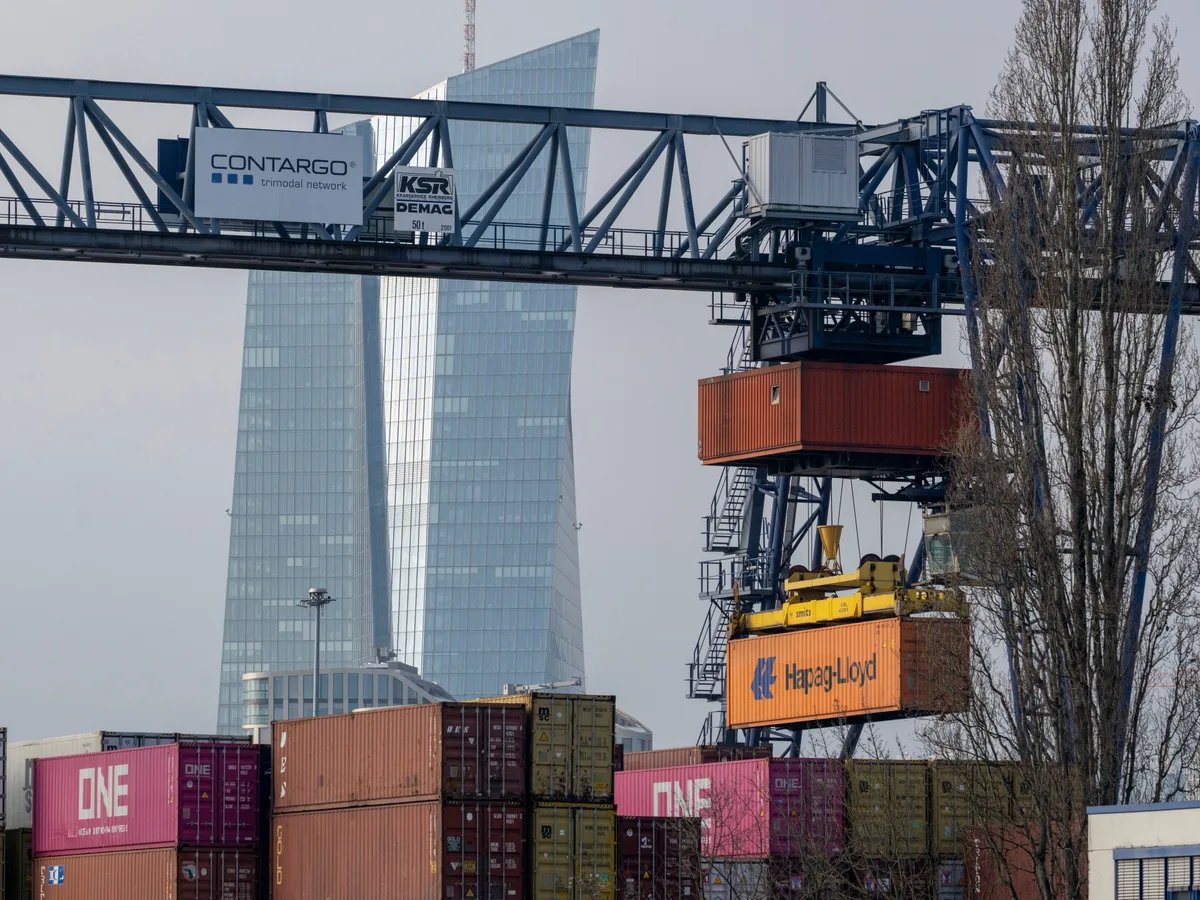
President Trump’s tariffs are backfiring, prompting some U.S. companies to shift manufacturing back to China as the import tax gap with other Asian nations narrows. The fluctuating rates, which fell from 145% to 12.5% for China, have erased the cost advantage that countries like Vietnam and Thailand once held, undermining the administration’s reshoring ambitions. The reversal comes despite repeated pledges to decouple U.S. supply chains from Chinese manufacturing.
The Tariff Backfire
Alliance Consumer Group, a Texas-based flashlight company, is among the firms retreating to Chinese suppliers after initially shifting production to Thailand to avoid last year's steep tariffs on Chinese goods. Phil Laster, the company’s chief operations officer, confirmed the move back to China, telling the New York Times, 'Have we pulled back to China? Yes, we have.' Economist Mary Lovely of the Peterson Institute for International Economics (PIIE) said such anecdotes are becoming more common, though aggregated data is not yet available.
Shifting Tariff Landscape
The return to China follows a dramatic narrowing of tariff differentials after the invalidation of the Liberation Day levies, which had imposed a 145% duty on Chinese imports. Under current Section 301 tariffs, China faces a 12.5% rate, identical to Vietnam, while Cambodia, Indonesia, and Malaysia are taxed at 10%. This parity eliminates the cost benefit that had driven U.S. companies toward Southeast Asian alternatives, making China once again a competitive sourcing option.
Manufacturing Jobs Decline
Between April and November of last year, the U.S. lost 59,000 manufacturing jobs, undercutting claims of a domestic revival. The latest PIIE data shows China’s share of U.S. imports has dropped from roughly 18% in 2018 to about 11%, yet its share of total value added in U.S. consumption has barely changed, indicating that the economic ties remain robust. 'Manufacturing is not coming back,' Lovely said, calling Trump’s reshoring narrative a fantasy.
What's Next
The Trump administration is expected to review the Section 301 tariffs in coming months, but economists doubt any revision will significantly alter the structural dependence on Chinese manufacturing. It remains unclear whether U.S. firms will continue the drift back to China or if new political pressures will force another policy reversal.
1 source
Trump tariff volatility pushes some US firms back to China, undermining reshoring goal