
SpaceX rocket stage to hit moon at 5,400 mph, NASA confirms
This digest was compiled by AI from multiple sources — links to the originals are below.
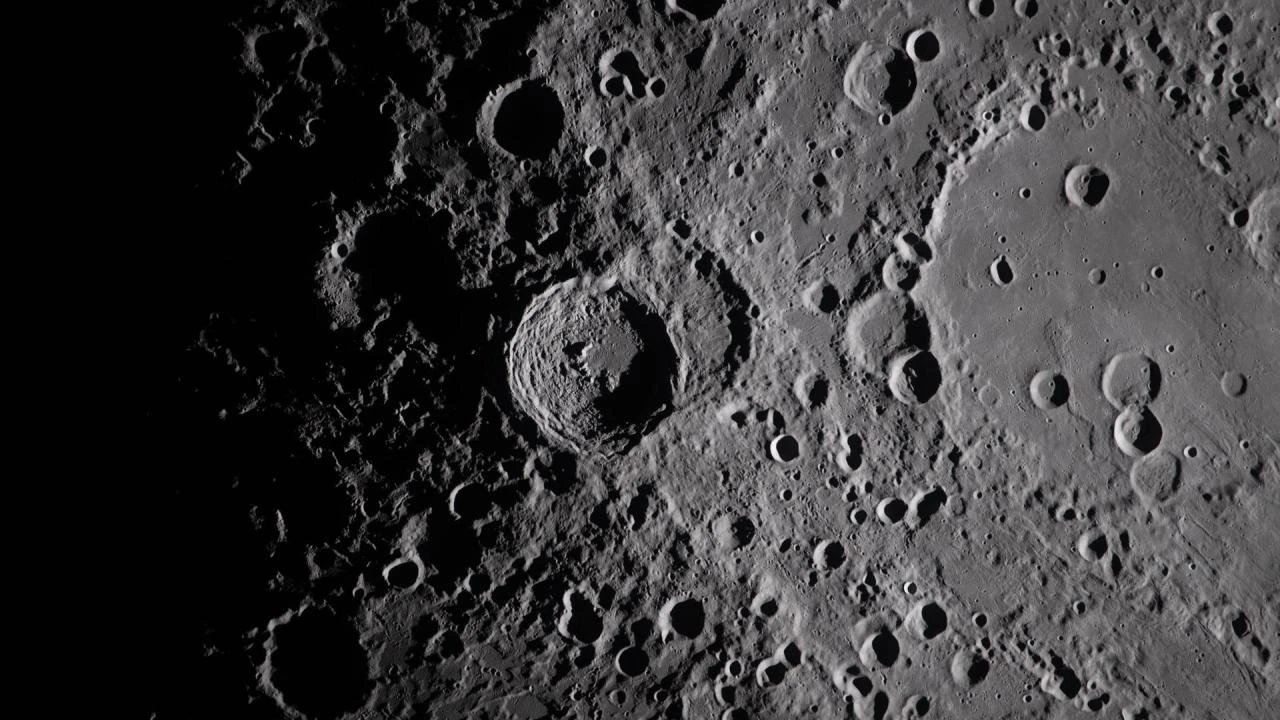
A four-ton SpaceX rocket stage is on course to strike the moon near the Einstein crater, NASA’s Center for Near Earth Object Studies confirmed. Independent astronomers detected the discarded stage, which will slam into the lunar surface at 5,400 mph, creating a crater wider than 17 meters and hurling dust up to 50 km high. Scientists plan to study the impact crater using NASA’s Lunar Reconnaissance Orbiter and South Korea’s Danuri spacecraft.
The Impact Forecast
The rocket stage, roughly the size of a five-story building and weighing 4,000 kg, is on an accidental collision course traced to a January 2025 launch. NASA’s CNEOS reports the object will hit near the Einstein crater at about 5,400 mph (2.43 km/s). The strike is expected to excavate a crater wider than 17 meters and eject a debris cloud that could reach altitudes of 50 km or more above the airless lunar surface.
Scientific Investigation
NASA’s Lunar Reconnaissance Orbiter (LRO) and South Korea’s Danuri spacecraft will observe the impact site to analyze the new crater, thermal radiation, and dust plume. Researchers hope the collision will expose subsurface materials, offering fresh data to refine models of the moon’s internal structure and geological history.
Space Debris Concerns
The looming crash has reignited debate over the growing accumulation of human-made debris in space. According to the European Space Agency, about 54,000 objects larger than 10 cm currently orbit Earth. Since the dawn of the Space Age in 1957, the total mass of objects sent into space has exceeded 17,000 metric tons.
1 source
Time · lag behind first