Keyv/cacheable npm supply chain attack hits 400-plus packages, exfiltrates cloud secrets
This digest was compiled by AI from multiple sources — links to the originals are below.

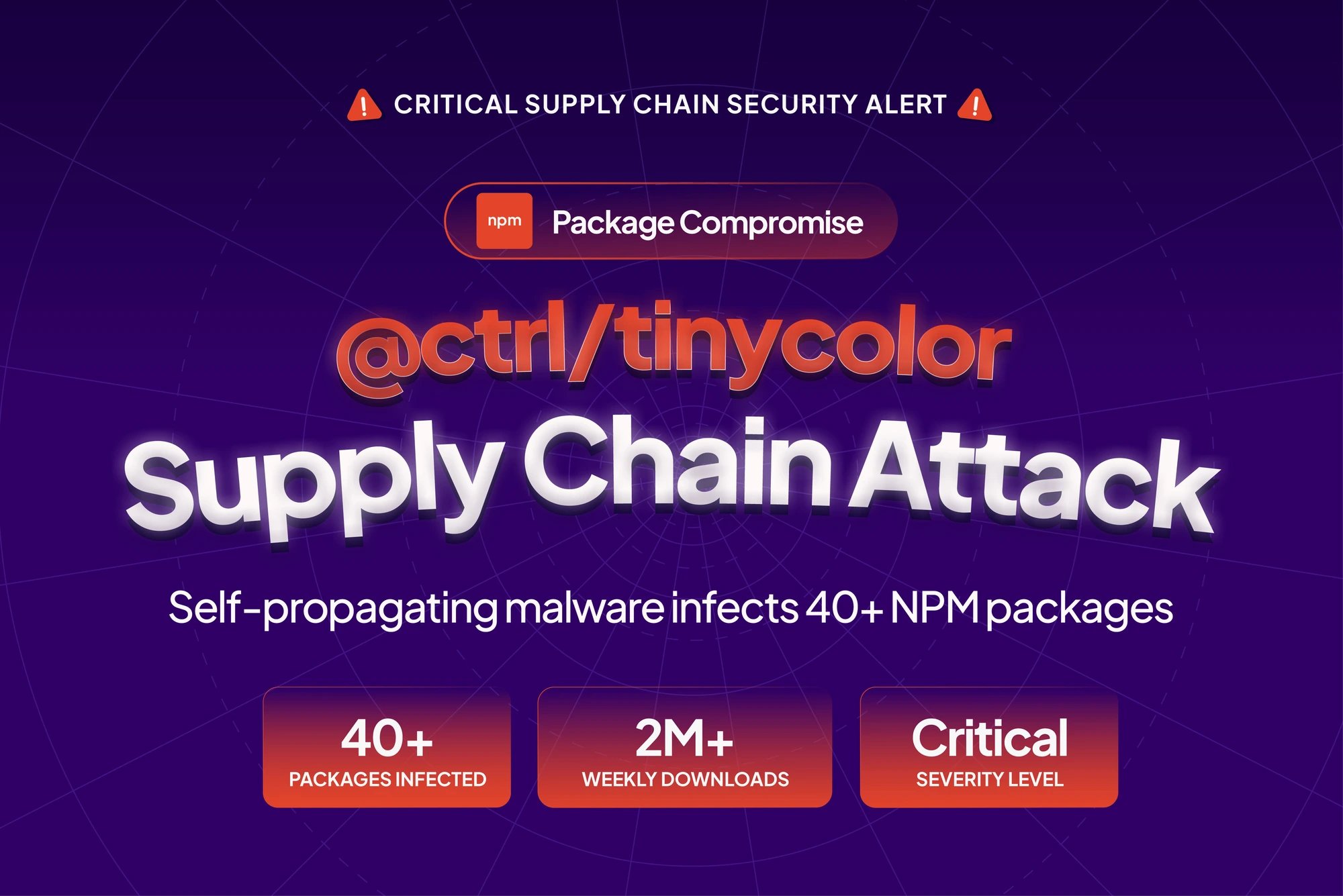
A supply chain attack targeting the widely used keyv and cacheable npm libraries has spread to over 400 packages, according to Socket and Wiz researchers. The compromised maintainer account “Jaredwray” was used to inject malicious preinstall hooks that steal cloud credentials, Kubernetes tokens, and other secrets. The malware self-propagates via stolen npm tokens, exploiting the packages' tens of millions of weekly downloads.
The Compromise
On Tuesday, a malicious version of keyv (v5.2.3) was published from the maintainer account “Jaredwray,” which also had access to the cacheable namespace. The package included a preinstall hook that downloads a loader script, setup.mjs. This loader installs a standalone Bun runtime and executes a second-stage payload. The affected keyv and cacheable packages have tens of millions of weekly downloads and sit deep in dependency trees, with many users installing them indirectly through tools like eslint.
Malicious Payload
The second-stage payload, Math_Symbol.js, is a Bun bundle with strings encoded using polymorphic basE91. It targets cloud secret keys from AWS, GCP, and Azure, as well as HashiCorp Vault tokens, Kubernetes service account tokens, GitHub Actions OIDC tokens, and npm tokens. It also performs a “TruffleHog-style” sweep for disk-based secrets. Stolen data is encrypted with AES-256-GCM and exfiltrated to GitHub repositories, which then forward it to external destinations. Wiz reported that exfiltration domains are retrieved from an Ethereum smart contract.
Automated Propagation
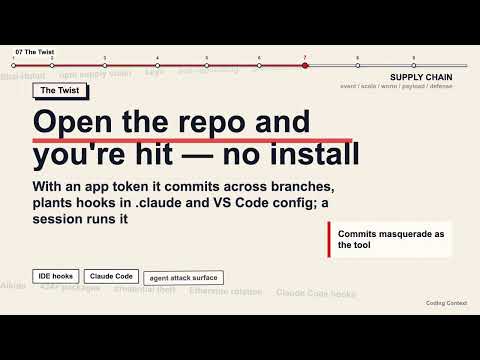
The malware leverages stolen npm tokens to identify accessible packages, inject the malicious preinstall hook, and publish new malicious versions via npm OIDC trusted publishing. Over 400 unique packages have been affected so far. Socket noted that GitHub repositories receiving the stolen data contain auto-start hooks that launch the loader when cloned, infecting developer environments. The attack pattern resembles previous Mini Shai-Hulud campaigns, with some repositories bearing the description “Shai-Hulud: Here We Go Again.”
What's Next
Researchers continue to monitor the attack and identify affected packages, urging developers to audit their dependency trees. The full scope of the compromise remains unclear as the self-propagating mechanism could still be active.
2 sources
Keyv/cacheable npm supply chain attack hits 400-plus packages, exfiltrates cloud secrets