
UK doctors perform first fetal surgery for gastroschisis on 26-week fetus
This digest was compiled by AI from multiple sources — links to the originals are below.
British surgeons have successfully operated on a 26-week fetus to correct a complex form of gastroschisis, marking the first such surgery in the UK. The baby boy, Theo, was born healthy three months later, required no intensive care, and was discharged on the fourth day. The experimental procedure, performed with Texas Children's Hospital, could significantly reduce lifelong complications.
The Operation
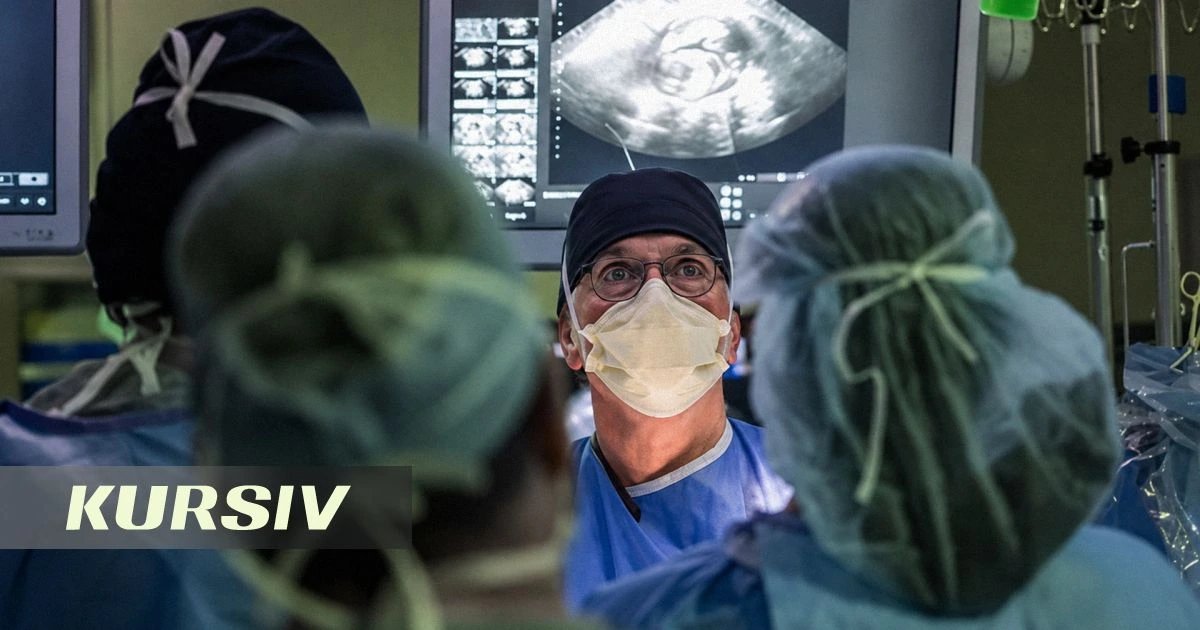
On the 26th week of pregnancy, surgeons at Great Ormond Street Hospital and Texas Children’s Hospital performed a delicate fetal intervention. They temporarily replaced amniotic fluid with carbon dioxide for visibility and gently pushed the exposed intestine back into the abdominal cavity. A few weeks earlier, the fetus received a botulinum toxin injection to relax the abdominal muscles, easing the procedure. The surgery was part of an international clinical trial investigating prenatal gastroschisis repair.
The Outcome
Theo was born approximately three months after the surgery, breathing and digesting normally. He began breastfeeding immediately, transitioned entirely to breast milk by the second day, and was discharged home on the fourth day. Doctors report he is developing normally, with no immediate signs of intestinal damage. The early results suggest the intervention protected his bowel from the corrosive effects of amniotic fluid.
The Trial
Theo is the third child worldwide and the first in the UK to undergo this experimental surgery. The procedure aims to reduce the need for multiple postnatal operations and long-term complications. While promising, the method remains under clinical evaluation, with researchers monitoring outcomes for a larger cohort. The trial seeks to determine if prenatal repair consistently leads to better health than standard postnatal care.
1 source
Time · lag behind first