
Moldova cuts lighting by 30%, limits water use as Dniester shallows
This digest was compiled by AI from multiple sources — links to the originals are below.
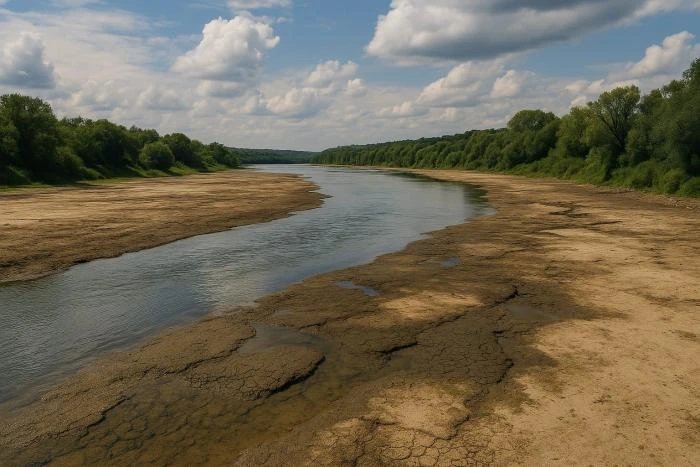
Moldova's national crisis commission has approved measures to reduce electricity and water consumption after the Dniester River dropped to critically low levels. The restrictions include cutting public building lighting by at least 30%, banning decorative lighting from 18:00 to 06:00, and limiting agricultural water extraction to nighttime hours. The action follows similar strains in Romania, where one reactor at the Cernavodă nuclear plant was halted due to low Danube levels.
The Dniester Crisis
The Dniester River, a key water source for Moldova, has seen its levels drop sharply, triggering energy and water supply risks. The crisis commission cited rising regional energy prices and the need to import power. Romania, facing similar challenges from a shallowing Danube, has already shut one of two reactors at the Cernavodă nuclear plant, which normally supplies about 20% of the country's electricity. The Romanian army conducted controlled explosions to redirect water toward the plant's cooling canal.
Electricity Restrictions
To shield domestic consumption, Moldova will limit commercial electricity exports between 18:00 and 22:00, except volumes needed for supply obligations. Public buildings and commercial spaces must cut indoor lighting by at least 30%. Fountains, shop windows, decorative, architectural, and advertising lighting will be switched off from 18:00 to 06:00. Industrial enterprises are to shift their main energy use outside peak hours of 06:00–09:00 and 18:00–23:00. Additionally, residents of apartment buildings are advised to avoid using elevators during peak times to prevent entrapment in case of power cuts.
Water Consumption Limits
The government is prioritizing water for basic population needs, restricting non-critical uses. Washing streets and sidewalks, filling swimming pools and recreational ponds are now prohibited. Agricultural water extraction from the Dniester is allowed only at night, from 21:00 to 06:00, with priority for horticultural crops. Where water levels become critical, the environment ministry may temporarily suspend extraction. Non-essential industries must reduce water use by at least 20%, while local authorities will activate reserve wells to ensure uninterrupted supply.
2 sources
Time · lag behind first