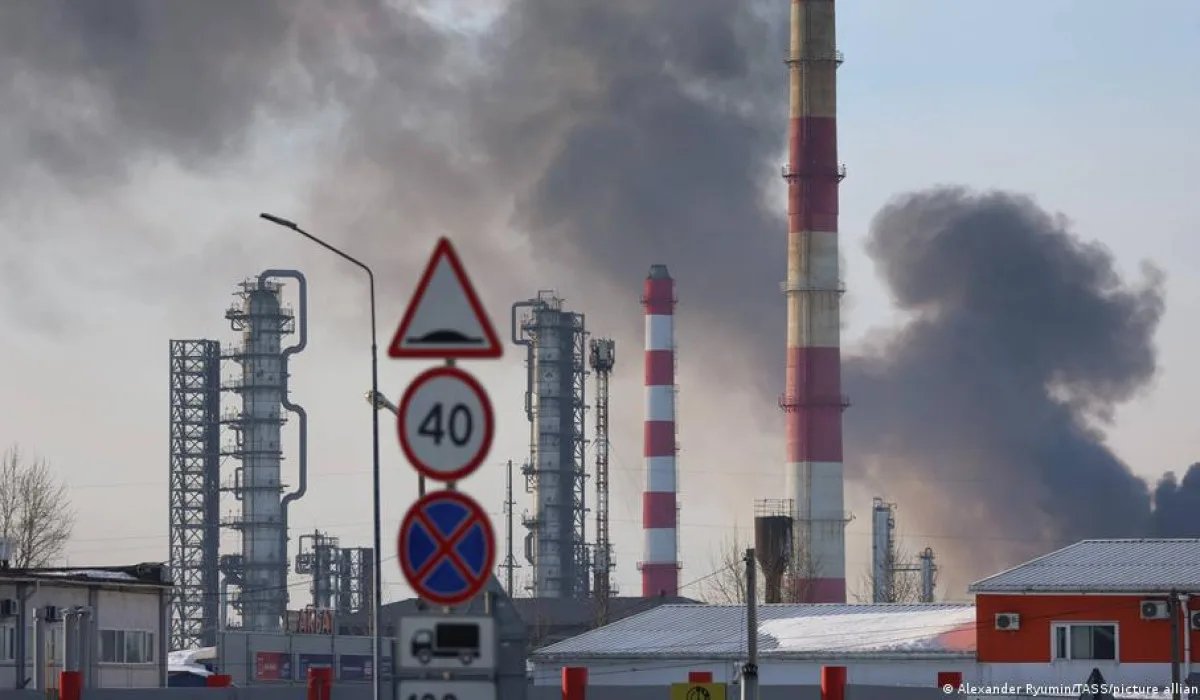
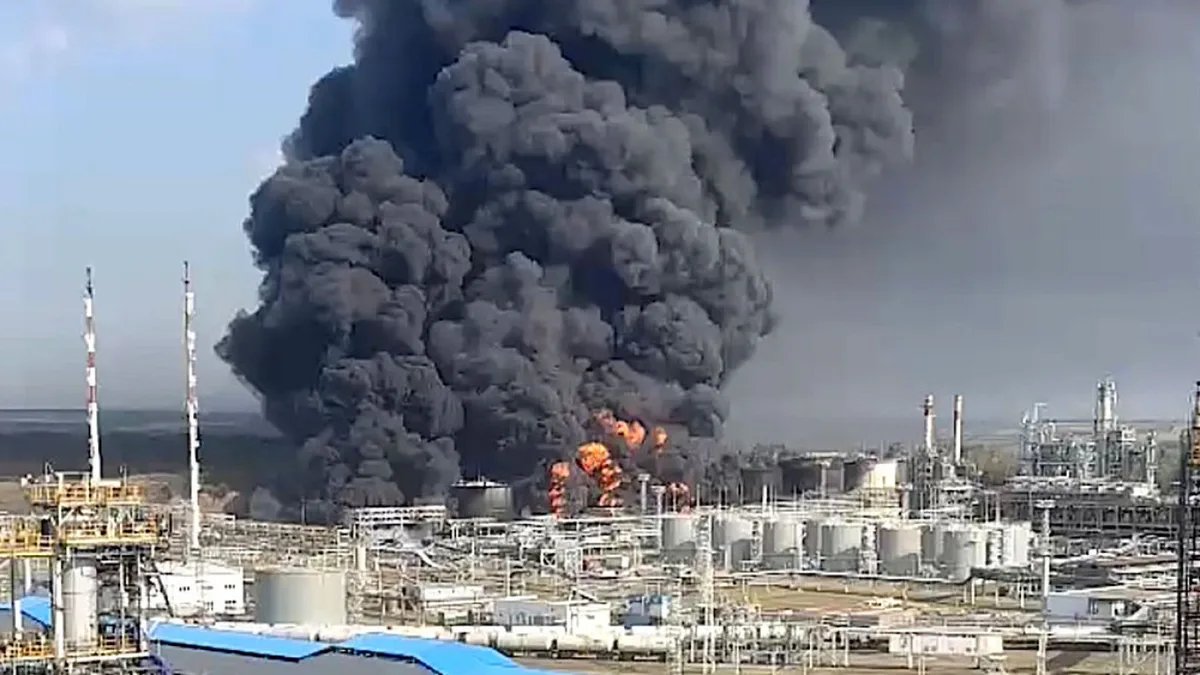
Russia oil refining falls to 3.6 mln bpd, lowest since 2002 amid strikes
This digest was compiled by AI from multiple sources — links to the originals are below.
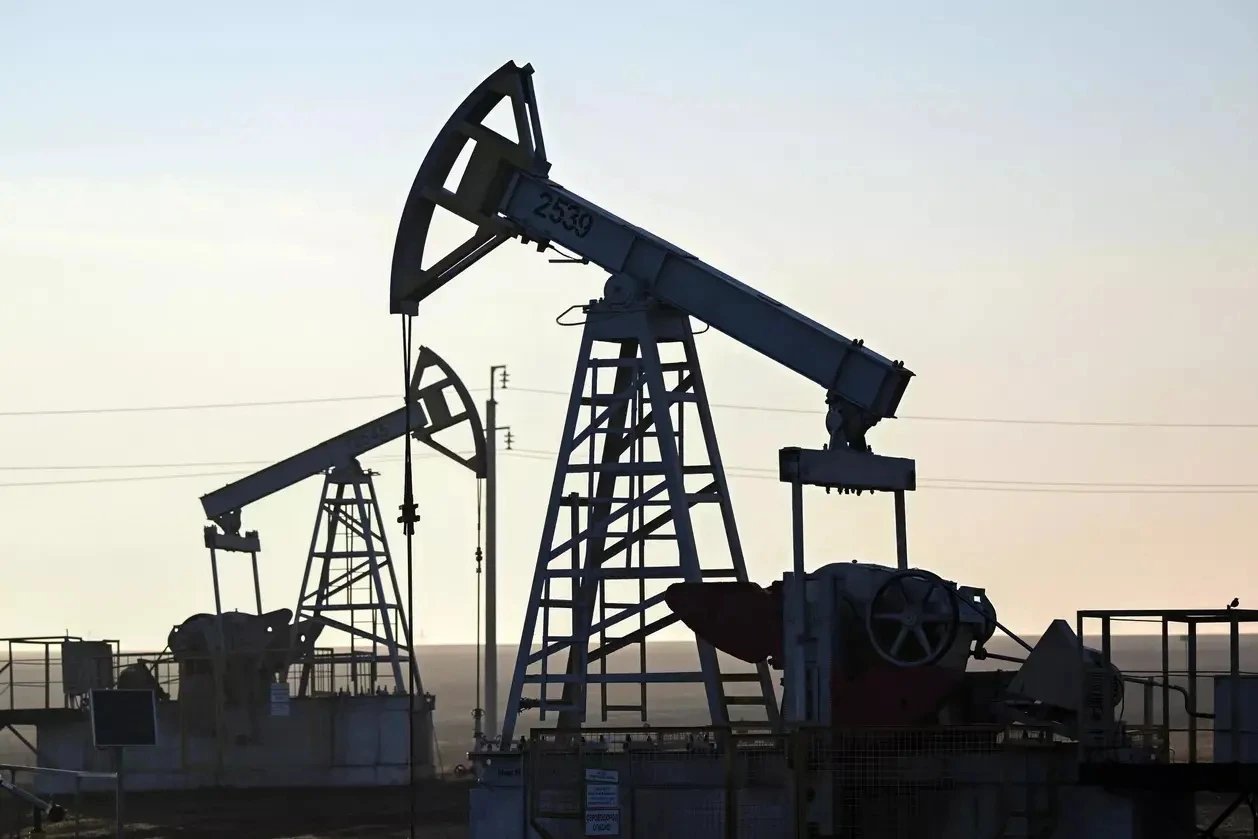
Russian oil refining output fell to an average of 3.6 million barrels per day in July, its lowest level since May 2002, according to Bloomberg and EA Analytics. Ukrainian drone strikes hit refineries, tankers, and pipeline infrastructure at least 30 times during the month, the second-highest total since the invasion began. The EU also enacted its 21st sanctions package on July 23 to further limit Russia's oil revenues.
Refinery Output Collapse
Russian refineries processed an average of 3.6 million barrels per day in July, roughly one-third below the seasonal norm, according to Bloomberg. The decline was driven by at least 30 Ukrainian drone strikes on oil infrastructure, the second-highest monthly tally since the full-scale invasion. Sergei Vakulenko of the Carnegie Russia Eurasia Center noted that improved air defenses could reduce but not completely stop the attacks.
Shift to Maritime Targets
In the second half of July, Ukraine shifted its focus from refineries to tankers and sea infrastructure, disrupting shipments from southern ports. Eight strikes on vessels near the Caspian Pipeline Consortium terminal were not claimed by Kyiv, but if attributed, July would have set a record. Russia’s Defense Ministry warned that the Black Sea is unsafe for navigation, while analyst Jorge Leon of Rystad Energy said crude could be rerouted to Baltic ports, though those are also vulnerable.
What's Next
Russia’s ability to sustain crude exports depends on whether it can shield tankers and alternative ports from further attacks. Ukraine’s evolving targeting strategy leaves the future of Russia’s oil logistics uncertain.
1 source
Russia oil refining falls to 3.6 mln bpd, lowest since 2002 amid strikes