MSU Scientists Recreate Wolfsbane and Larkspur Toxins in Tobacco, Enabling New Medicines
This digest was compiled by AI from multiple sources — links to the originals are below.
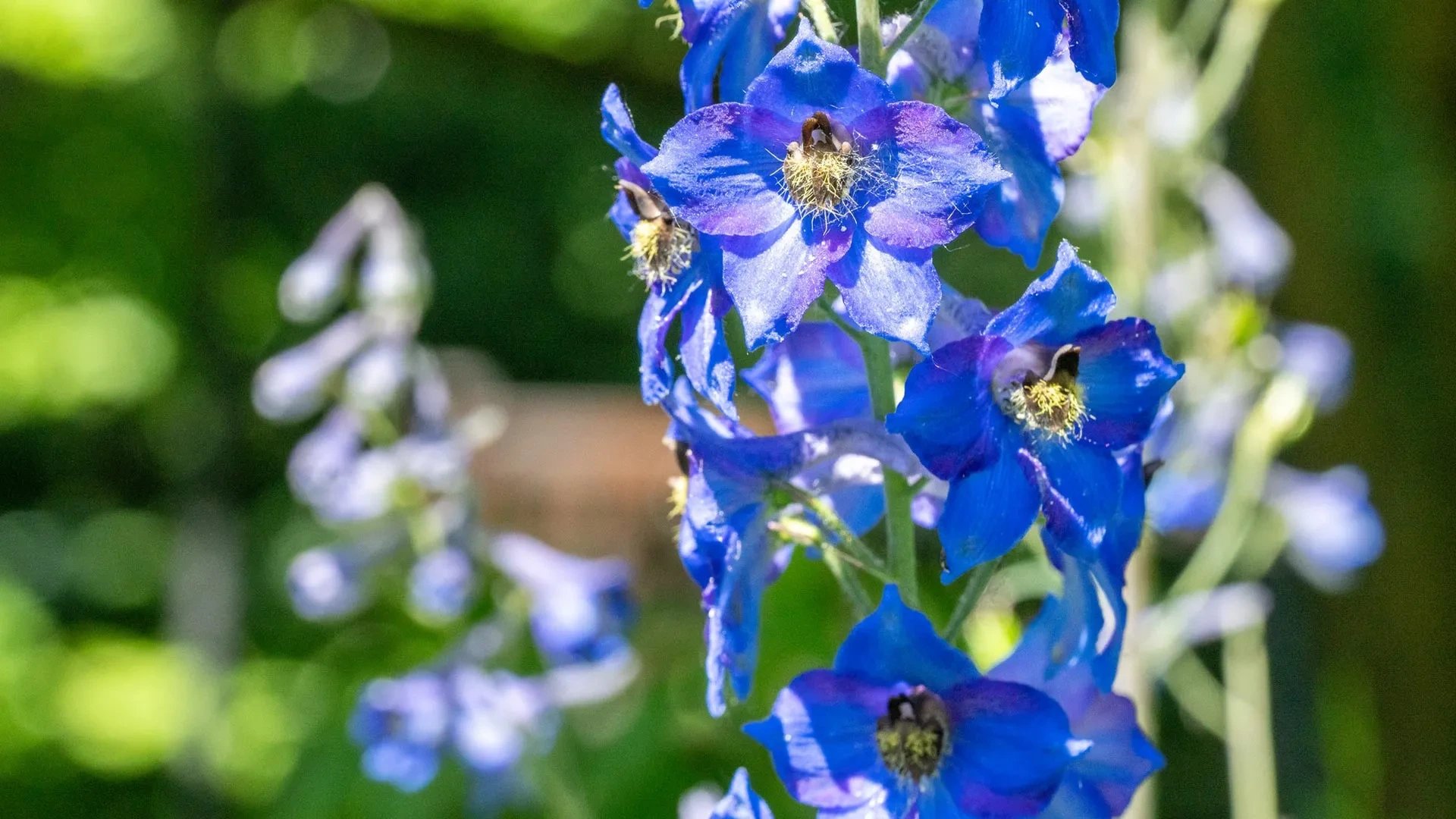
Scientists from Michigan State University and the Czech Academy of Sciences have identified six enzymes that enable wolfsbane and larkspur to produce the complex diterpenoid alkaloid atisinium. They then recreated the biosynthetic pathway in tobacco plants, publishing the results August 3 in Molecular Plant. The breakthrough offers a sustainable platform for producing and testing these rare molecules, which have shown promise against pain, malaria, and cancer, even as the plants themselves remain extremely toxic at low doses.
The Enzymatic Discovery
After tracking thousands of genes across 15 years of genome sequencing, the team pinpointed six enzymes that convert common precursors into the complex molecule atisinium, a diterpenoid alkaloid. The research combined expertise from MSU's Hamberger Lab and the Czech Academy's Institute of Experimental Botany. Co-first authors Garret Miller (now at University of Michigan-Flint) and Lana Mutabdžija stressed that the finding resolves a long-standing puzzle of how plants merge two ancient chemical families—terpenes and alkaloids—into such potent compounds. Only a few milligrams of these substances can cause paralysis, yet they have been used medicinally for millennia.
Reproduction in Tobacco
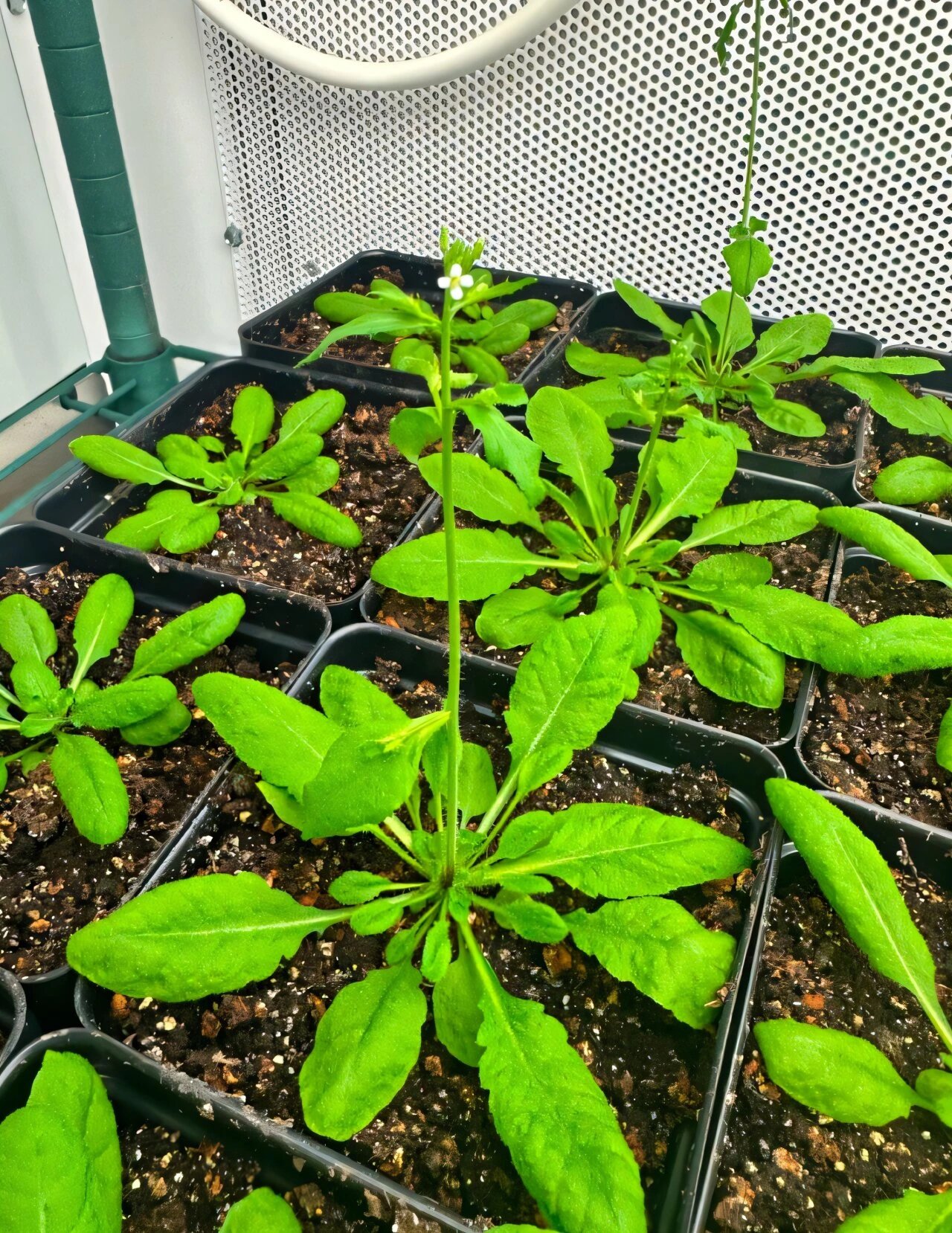
The team successfully transferred the six-gene cassette into Nicotiana benthamiana, a relative of common tobacco, which then produced atisinium at detectable levels. This platform circumvents the need to harvest endangered wild plants and yields material for preclinical testing. Previous efforts to synthesize diterpenoid alkaloids chemically had failed due to their molecular complexity; the biosynthetic route now provides a renewable source. Björn Hamberger of MSU noted that plants like tobacco act as 'chassis' that can be scaled up in greenhouses.
Medical and Agricultural Promise
The atisinium scaffold belongs to a class of molecules that modulate sodium channels in nerves, making them candidates for pain relief and antiarrhythmic drugs. Crude extracts from wolfsbane and larkspur have been used in traditional Chinese and European medicine for conditions ranging from rheumatism to fever. The study also highlights potential applications against malaria parasites and agricultural pests. The MSU-Czech team plans to screen derivatives of atisinium for selective toxicity to cancer cells.
What's Next
Michigan State has filed a provisional patent on the enzyme pathway, and the Hamberger Lab is seeking industry partners to scale up production. It remains unclear whether the compounds can be engineered to eliminate neurotoxicity while retaining therapeutic effects.
1 source
MSU Scientists Recreate Wolfsbane and Larkspur Toxins in Tobacco, Enabling New Medicines