Scientists identify EPS8 protein buildup as trigger for ALS, Huntington’s pathology
This digest was compiled by AI from multiple sources — links to the originals are below.
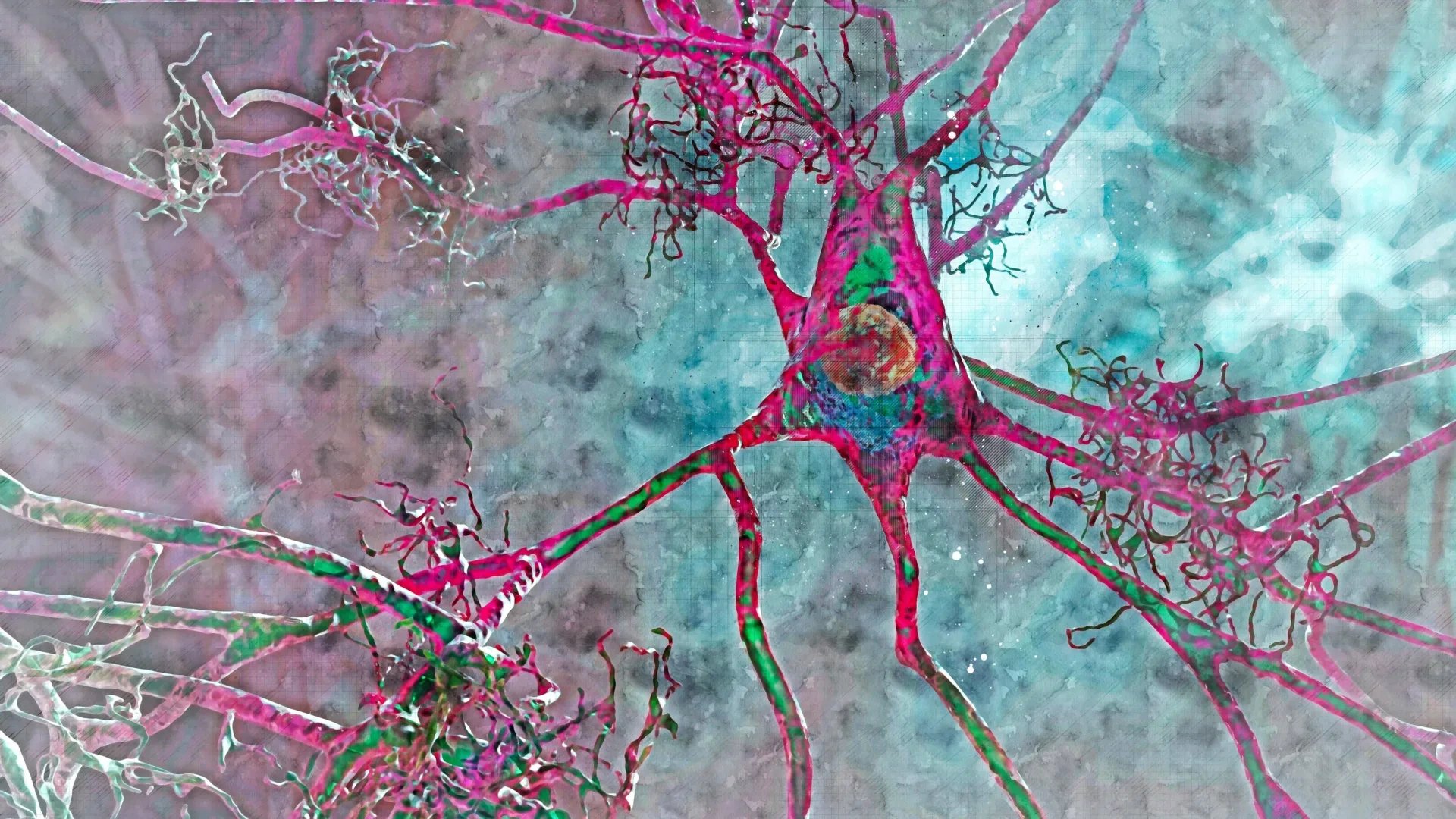
Scientists at the University of Cologne have identified that the protein EPS8 accumulates with age and drives toxic protein clumping in ALS and Huntington’s disease. Reducing EPS8 activity in worm models halted harmful aggregates and preserved neuronal function, according to findings published Monday in Nature Aging. The discovery offers new insight into why aging is the strongest risk factor for neurodegenerative disorders, even as treatments remain elusive.
The Aging Protein EPS8
The CECAD team, led by David Vilchez, studied the nematode C. elegans to trace how aging fosters protein aggregation. They found that the protein EPS8, which accumulates as worms grow older, hyperactivates RAC signaling. This dysregulation encourages misfolded proteins to clump together, damaging motor neurons and cutting lifespan. Previous work had already linked EPS8 buildup to damaging stress responses that accelerate aging.
Neuronal Protection
When researchers genetically reduced EPS8 activity, toxic protein aggregates no longer formed readily. The intervention also preserved neuronal function in worm models of both ALS and Huntington’s disease, two conditions characterized by progressive motor neuron loss. These results, published in Nature Aging, suggest EPS8 signaling is a direct driver of age-related neurodegeneration, not merely a bystander. The findings pinpoint the EPS8-RAC pathway as a potential target for future therapies.
Human Relevance
EPS8 and the RAC signaling molecules are conserved throughout evolution and are also present in human cells. The research team confirmed that the same pathway operates in human cell models, raising hopes that interventions targeting EPS8 could have similar protective effects in people. While the study was conducted in worms and cell cultures, the molecular machinery is nearly identical, supporting the translational potential of the discovery. Still, no human trials are planned, and a therapeutic candidate would require years of development.
What's Next
The CECAD group plans to screen small molecules that can inhibit EPS8 activity in mammalian neurons, with initial results expected within 18 months. Whether such a drug could slow disease progression in ALS or Huntington’s patients remains a distant but now more concrete possibility.
1 source
Scientists identify EPS8 protein buildup as trigger for ALS, Huntington’s pathology