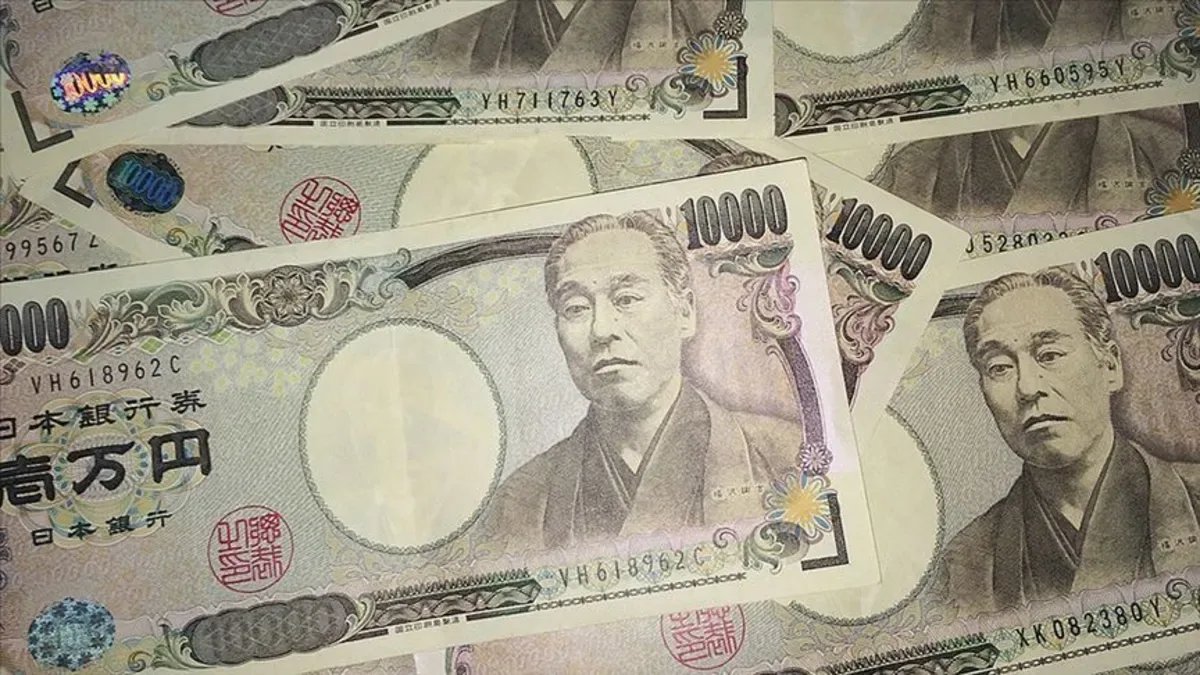
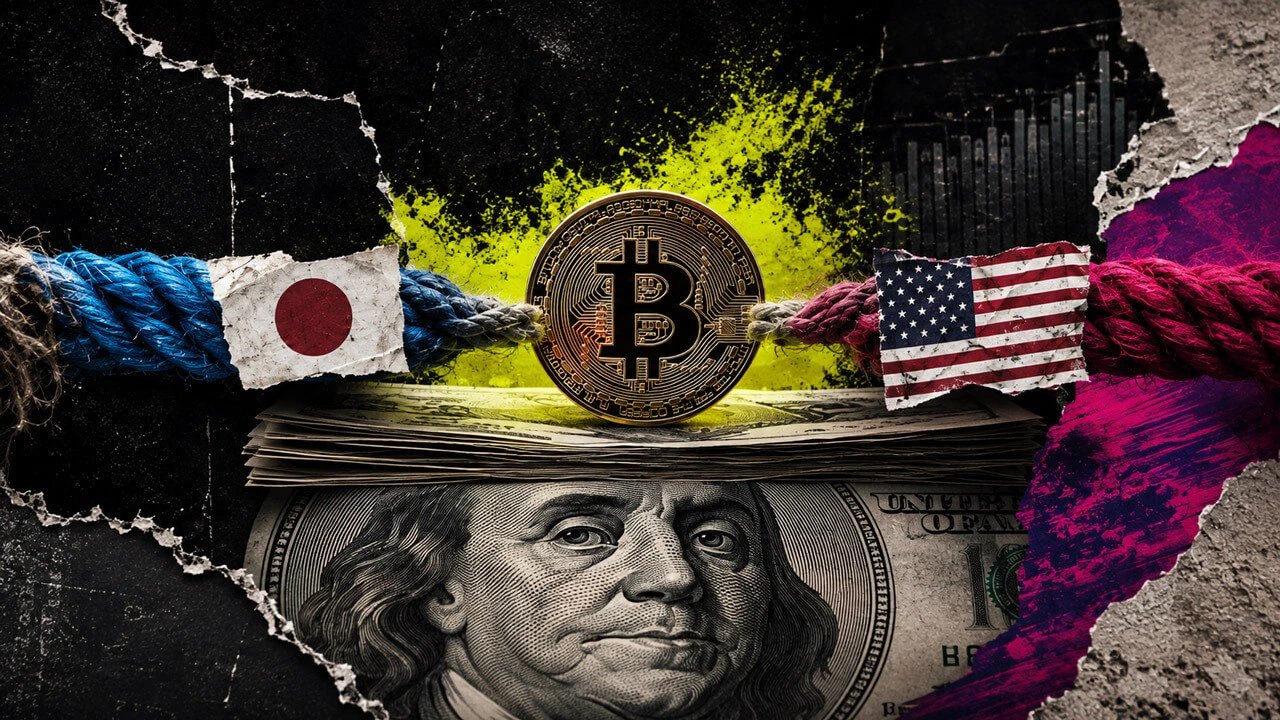
Japan and US hold first joint yen-buying intervention since 2011, signal more action
This digest was compiled by AI from multiple sources — links to the originals are below.
Japan and the United States conducted a joint yen-buying intervention on Friday, the first such coordinated action since 2011, to halt the yen's slide to near four-decade lows. The yen strengthened more than 1% to 155.20 per dollar following the announcement. The move marks a significant escalation from Japan's earlier solo interventions, which had failed to sustainably lift the currency.
The Intervention
Japan and the US conducted the first joint yen-buying intervention since 2011 on Friday, the Ministry of Finance said. President Donald Trump called the US participation a "sign of friendship" and support for the global economy. Treasury Secretary Scott Bessent confirmed the action and stated the US "strongly supports Japan's actions to correct a significant undervaluation of the yen." Both countries signaled readiness for further market operations. The intervention targeted what Japan described as "excessive volatility and disorderly movements" in the yen.
Market Reaction
The yen jumped more than 1% to 155.20 per dollar after the announcement, its strongest since early May and a sharp recovery from around 164 a month earlier. Yields on two-year Japanese government bonds rose to 1.545% on Monday, the highest since 1995. The joint move intensified expectations that the Bank of Japan may raise rates as early as September, said Naomi Muguruma, chief bond strategist at Mitsubishi UFJ Morgan Stanley Securities. "Comments by Japanese and US officials served as a strong signal for hawks within the BOJ," she added.
Underlying Weakness
Despite the intervention's initial success, analysts caution that the fundamental drivers of yen weakness persist. High energy prices, geopolitical risks, and the wide interest rate differential between Japan and the US continue to pressure the currency, said Tsuyoshi Ueno, senior economist at NLI Research Institute. Japan's previous solo interventions this spring provided only temporary relief, and even the BOJ's rate hike to 1% failed to ensure a sustained yen recovery. To enhance market safeguards, Washington is considering expanding Japan's access to Federal Reserve dollar liquidity facilities, Bessent said, which would allow Tokyo to secure dollars without large-scale sales of US Treasuries.
What's Next
The intervention has raised expectations that the Bank of Japan may raise interest rates at its September meeting, but it remains unclear whether joint currency operations can overcome the persistent gap between US and Japanese bond yields. The US is considering expanding Japan's access to Federal Reserve dollar liquidity lines, which could provide an additional buffer, though analysts caution that fundamental headwinds are unlikely to dissipate soon.
6 sources
Japan and US hold first joint yen-buying intervention since 2011, signal more action