EU imposes sanctions on Kyrgyzstan over Russia re-export risk
This digest was compiled by AI from multiple sources — links to the originals are below.
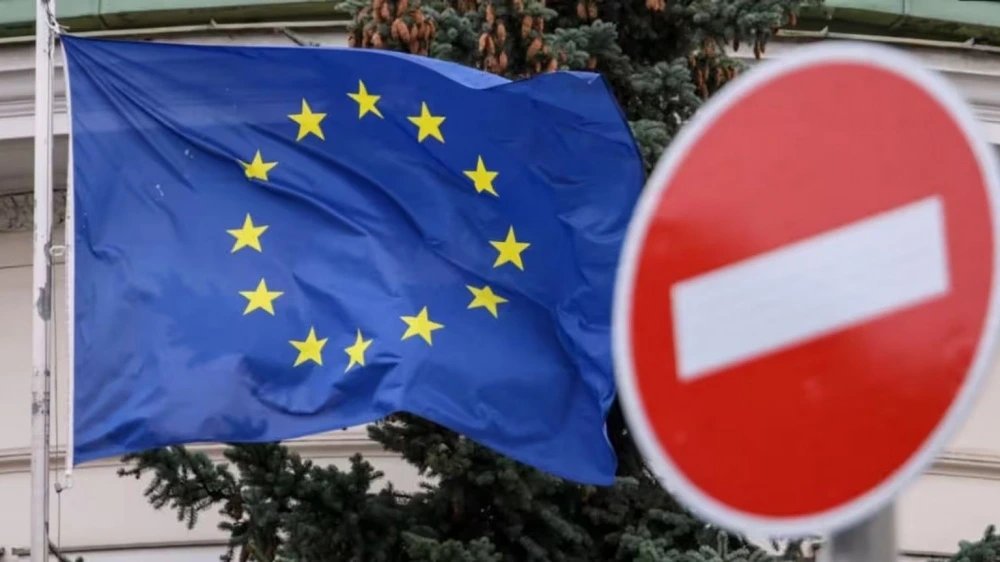
The European Union has imposed sanctions on Kyrgyzstan for the first time using its Anti-Circumvention Tool, targeting dual-use goods and technology suspected of being re-exported to Russia. Kyrgyz authorities deny deliberately aiding sanctions evasion, attributing a surge in imports to domestic infrastructure and energy projects. The restrictions, which also apply to some financial institutions, threaten to strain Bishkek’s balancing act between Western pressure and its deep economic ties to Russia.
The EU’s Anti-Circumvention Tool
In 2026, the European Union deployed its Anti-Circumvention Tool against Kyrgyzstan for the first time, restricting exports of dual-use goods, industrial equipment, and sensitive technologies deemed at risk of being re-exported to Russia. The measure is not a full trade embargo but targets specific items that European regulators believe could help Moscow bypass sanctions. The EU had previously sanctioned individual Kyrgyz companies suspected of involvement in evasion schemes, but the sustained growth in certain transshipments through Central Asia prompted a broader mechanism. The restrictions also extend to some financial institutions, complicating cross-border payments.
Kyrgyzstan’s Rebuttal and Economic Ties
Bishkek rejects allegations of consciously facilitating sanctions evasion, arguing that the rise in imports reflects genuine domestic demand for infrastructure, energy, and industrial modernization. Klara Azhibekova, leader of the Kyrgyz Communist Party, noted that Europe has never been a primary economic partner for Kyrgyzstan, whose crucial ties—from energy and logistics to labor markets—are with Russia and the Eurasian Economic Union. She urged the government to resist external pressure and instead focus on developing domestic science, industry, and institutions through the National Academy of Sciences. Azhibekova advocated maintaining relations with all partners while independently determining the country’s economic course and avoiding entanglement in geopolitical confrontations.
What's Next
The European Commission is expected to closely monitor trade flows and may adjust the sanctions list in response to compliance. It remains unclear whether Bishkek’s balancing strategy can sustain both its ties with Russia and its access to European technology and markets without provoking further punitive measures.
1 source
EU imposes sanctions on Kyrgyzstan over Russia re-export risk