
Armenian PM Pashinyan resigns as new parliament begins work
This digest was compiled by AI from multiple sources — links to the originals are below.
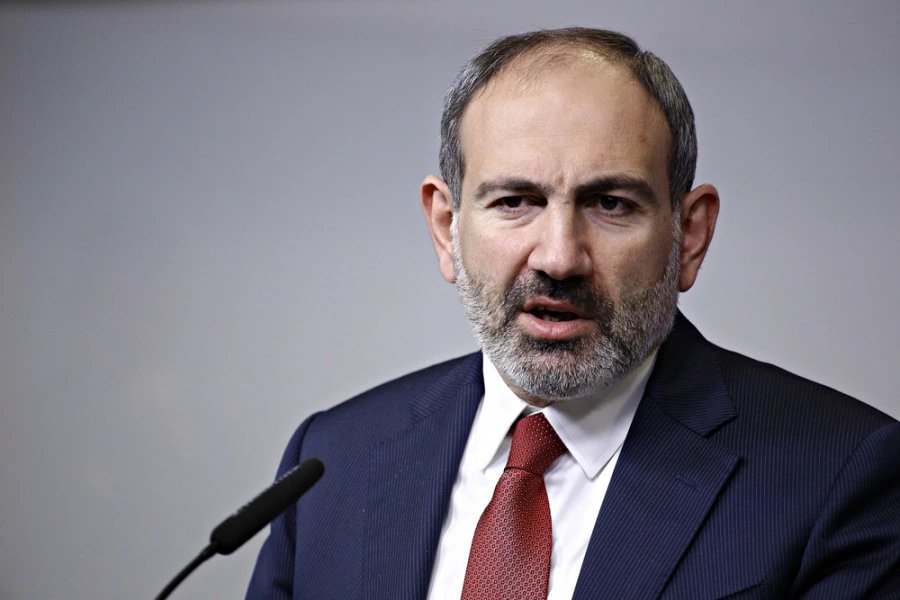
Armenian Prime Minister Nikol Pashinyan and his cabinet submitted their resignation on August 2, in line with the constitution, as the 9th National Assembly began its first session. The resignation is a procedural step required after parliamentary elections; Pashinyan's Civil Contract party won 49.74% of the vote on June 7, ensuring he will be reappointed. Until a new cabinet is formed, ministers continue in an acting capacity.
Constitutional Requirement
Under Article 158 of Armenia's constitution, the government must resign on the first day of a newly elected parliament. Pashinyan signed the resignation statement and sent it to President Vahagn Khachaturyan, according to Armenia Today. He announced the move in a video message, stressing that it was a mandatory procedure. The cabinet will continue to function in an acting role until a new prime minister is appointed and forms a government. The president is expected to officially accept the resignation and, later in the day, receive the majority faction's nominee for prime minister.
Parliamentary Majority
Pashinyan's Civil Contract party secured a decisive win in the June 7 snap elections, capturing 49.74% of the vote and 64 seats in the 107-member parliament. Two other forces cleared the threshold: Strong Armenia, led by billionaire Samvel Karapetyan, with 23.27% (29 seats), and the Armenia alliance of ex-president Robert Kocharyan with 9.92% (12 seats). As the majority faction, Civil Contract has the constitutional right to nominate the prime minister, and Pashinyan indicated that the nomination would be presented to the president on August 2. Once reappointed, he will form a new cabinet and present its program to parliament.