
EU AI Act to Require AI-Generated Content Labels Starting August 2026
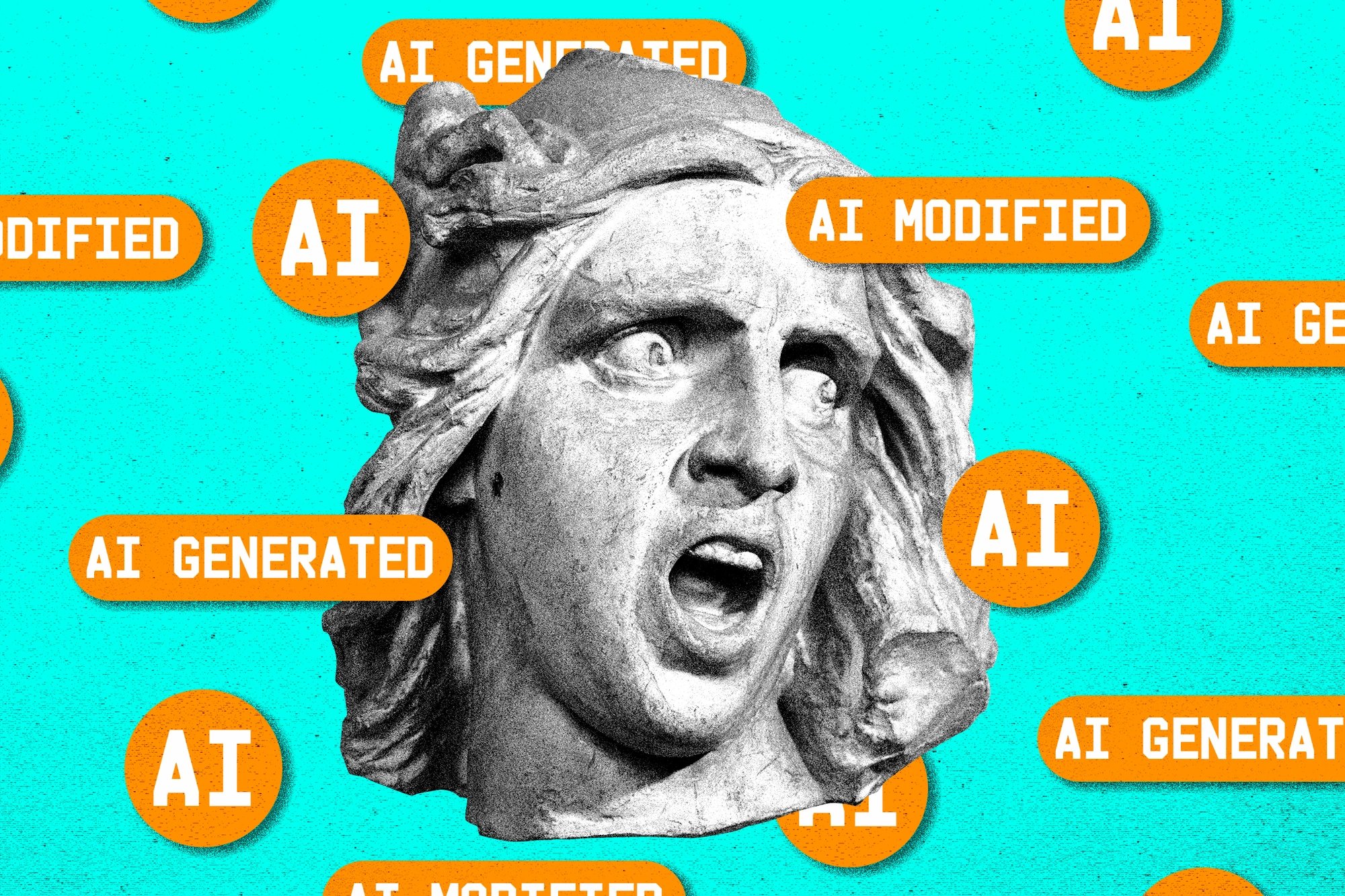
This digest was compiled by AI from multiple sources — links to the originals are below.
New European Union rules set to take effect in August 2026 will require clear labels on AI-generated content and notifications when people interact with artificial intelligence. The mandate, part of the EU AI Act, aims to increase transparency but is already facing warnings of 'disclosure fatigue' among users.
The Disclosure Requirements
Under the forthcoming rules, any content significantly altered by artificial intelligence—including deepfake videos, AI-edited photos, and synthetic text—must carry a visible tag. Service providers such as social media platforms and chatbot operators will be required to inform users when they are conversing with a machine. The European Commission has set a compliance deadline of August 2026 for high-risk AI systems, with full transparency rules phased in over subsequent months.
Fatigue Concerns
A growing body of researchers and consumer advocates worry that users inundated with AI disclaimers may begin ignoring them, a phenomenon dubbed 'disclosure fatigue.' A 2025 study by the University of Oxford found that repetitive warnings lose effectiveness after as few as 12 exposures. Critics argue that the sheer volume of AI-generated content online—from auto-corrected text to algorithmically curated feeds—could render labels meaningless.
1 source
Time · lag behind first