
US Strategic Oil Reserve Falls to 42% Capacity, Lowest Since 1983
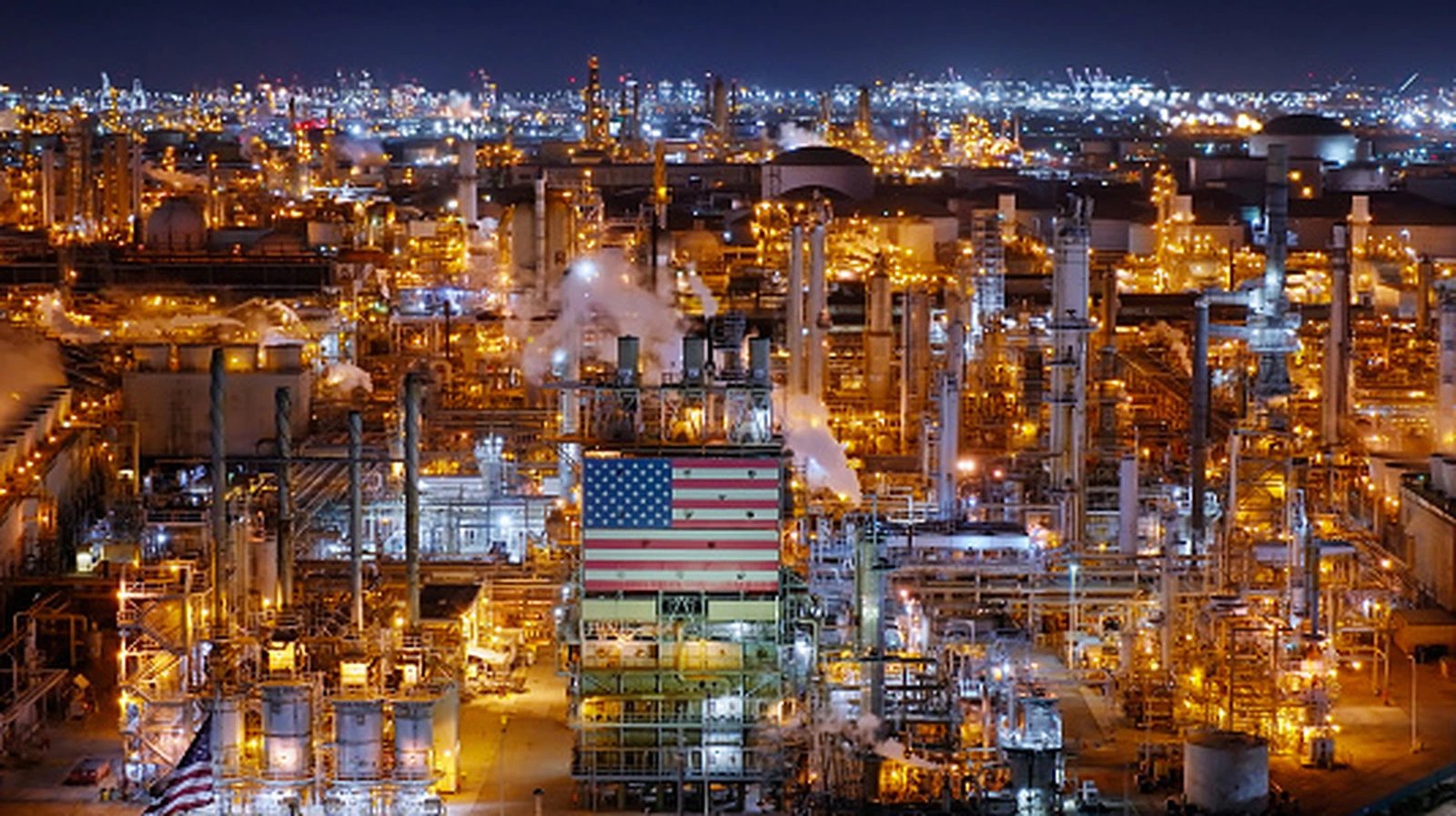
This digest was compiled by AI from multiple sources — links to the originals are below.
The U.S. Strategic Petroleum Reserve has dropped to 42% of its maximum capacity, its lowest level since 1983, after over 350 million barrels were withdrawn in four years. The drawdown, driven by the war in Iran and the Ukraine invasion, has left the reserve strained, with a quarter of its oil now unreachable. Analysts warn that U.S. gasoline supplies may tighten significantly this fall as refiners continue to prioritize diesel and jet fuel production for wartime demand.
Strategic Reserve Strain
The U.S. Department of Energy reported that the Strategic Petroleum Reserve now holds just 300 million barrels, or 42% of its 714 million barrel capacity. An audit earlier this year found that approximately 25% of the remaining reserves are trapped in aging pipelines and caverns and cannot be extracted. The reserve has been tapped for over 350 million barrels since 2022 to counter supply disruptions from the Iran conflict and Russia's war in Ukraine.
Production Shift
Global refiners have shifted capacity toward diesel and jet fuel, which command higher prices due to wartime demand, reducing gasoline output. Analysts told Reuters that U.S. gasoline stockpiles have fallen significantly since the start of the year. They say motor fuel prices would need to rise substantially to incentivize a return to gasoline production, warning that shortages could emerge this fall.
1 source
Time · lag behind first