
UMD study finds rattlesnake protein combo 10x more potent than antivenom in lab tests
This digest was compiled by AI from multiple sources — links to the originals are below.
University of Maryland researchers have discovered that combinations of proteins found in western diamondback rattlesnake blood neutralize venom from multiple snake species at potency levels 10 times higher than current antivenoms in lab tests. The findings, published July 29 in the Proceedings of the National Academy of Sciences, suggest a new path for creating more effective treatments for snakebite, which the World Health Organization says kills 80,000 to 140,000 people each year.
Protein Combination Potency
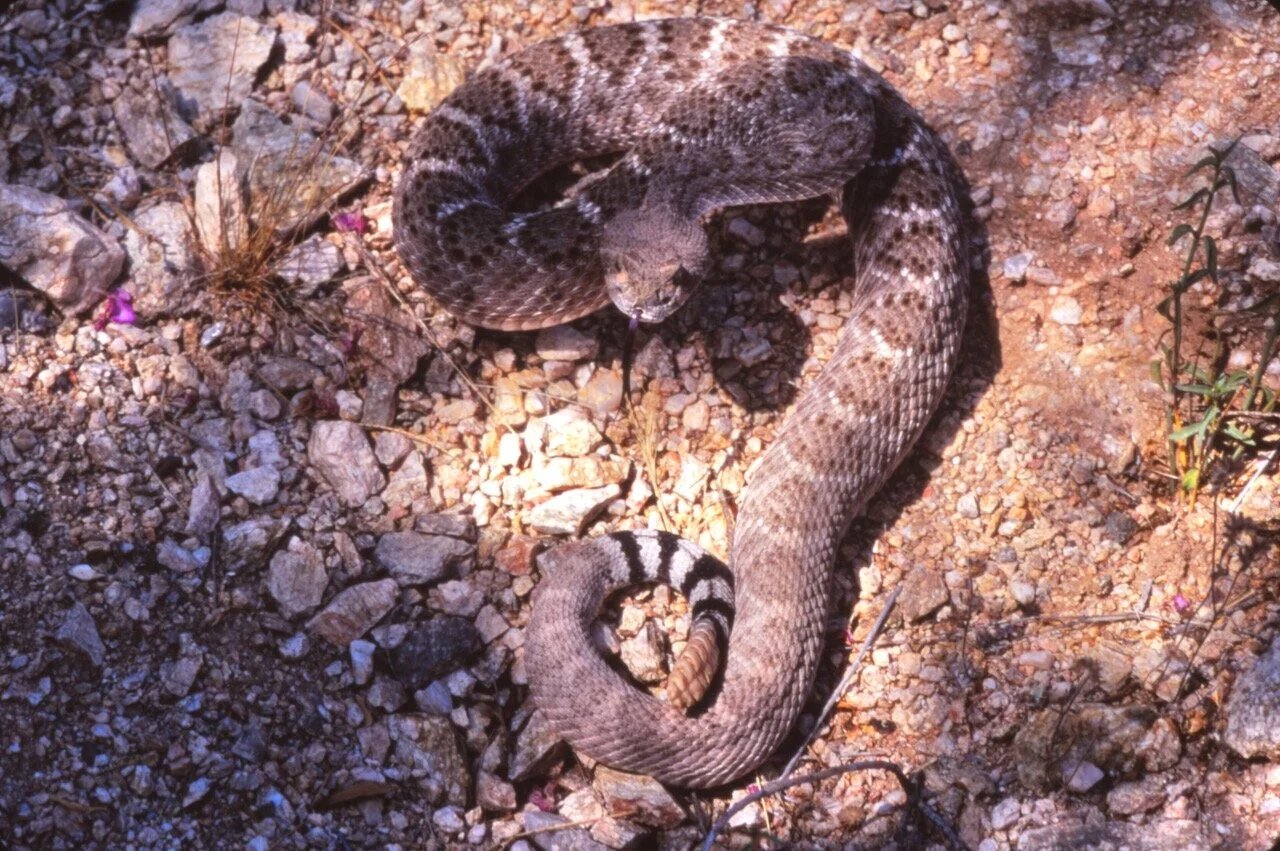
The research team, including Sean Carroll of UMD and Elda Sánchez of Texas A&M University-Kingsville, tested various combinations of FETUA proteins from western diamondback rattlesnake blood. They found that one specific cocktail neutralized hemorrhagic and muscle-degrading toxins from the rattlesnake itself as well as from other viper species like the terciopelo and Russell’s viper. In mice, the combination provided near-complete protection against a lethal dose of venom, showing tenfold greater potency than the current gold-standard antivenom. The study was published July 29 in PNAS.
Treatment Limitations
Current antivenoms are produced by injecting large animals with venom and harvesting antibodies, a century-old process that is costly and yields variable quality. They often fail to neutralize all toxin types in a given venom, particularly in older or poorly stored batches. Severe allergic reactions to animal-derived antibodies occur in a significant proportion of patients. The WHO classified snakebite envenoming as a neglected tropical disease in 2017, with an estimated 80,000 to 140,000 deaths and roughly 400,000 amputations and other permanent disabilities each year.
Evolutionary Solution
In 2022, Carroll’s lab identified a single protein, FETUA-3, in rattlesnake blood that inhibited metalloproteinase toxins from its own venom and those of other rattlesnakes. The new study expanded the search to all FETUA family members, showing that different proteins target distinct toxin components, and that combinations can block multiple lethal effects simultaneously. “Here was evolution’s way for snakes to protect themselves from accidental self-envenomation,” Carroll said, underscoring the rationale for using snake proteins rather than horse antibodies.
1 source
Time · lag behind first