
Northwestern chemists use flexible DNA to assemble proteins into atomically ordered crystals
This digest was compiled by AI from multiple sources — links to the originals are below.
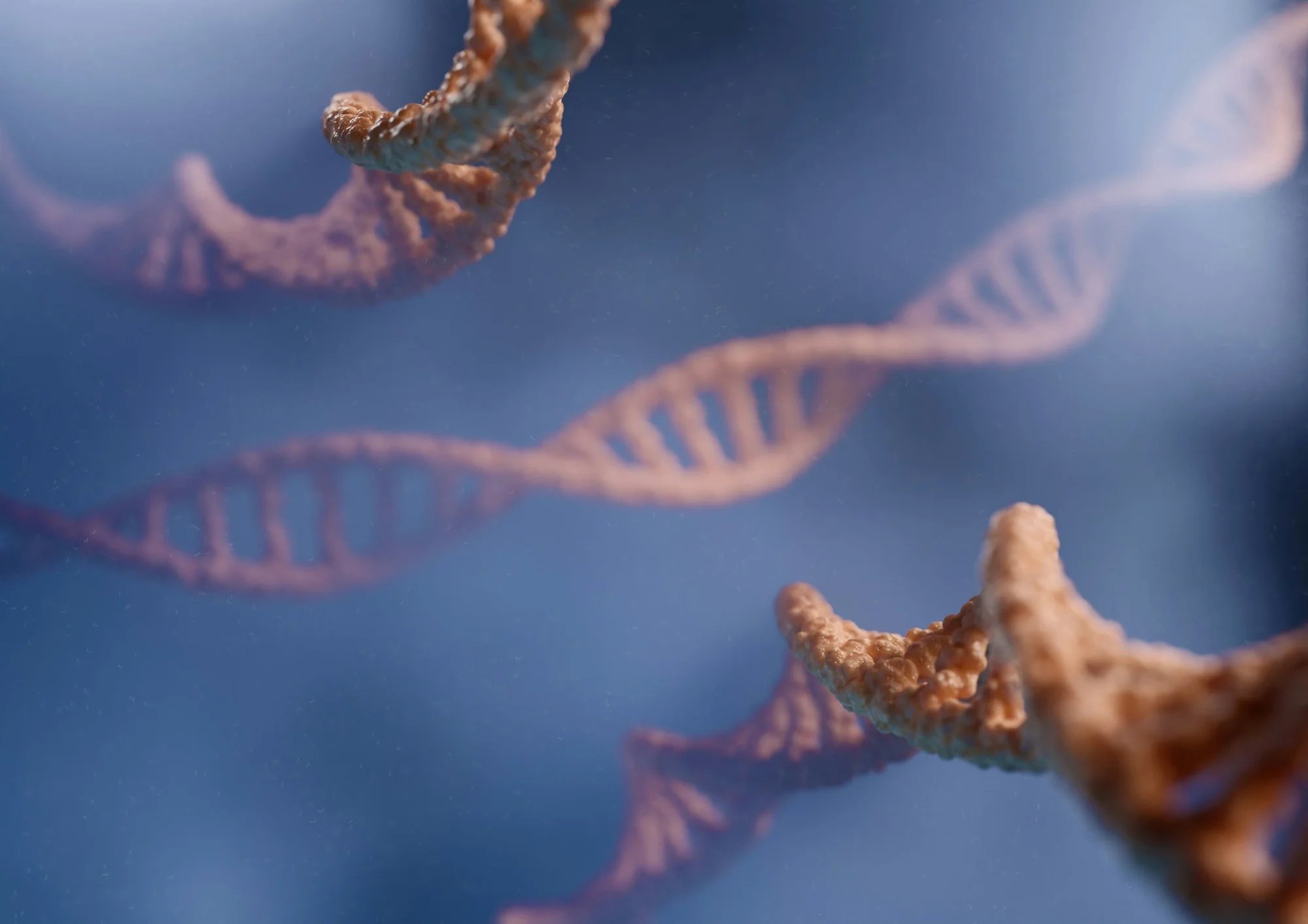
Northwestern University chemists use DNA as a programmable scaffold to assemble proteins into atomically ordered crystals, overturning the belief that flexible components cannot yield ordered structures. The method, detailed in Science Advances, replaces trial-and-error with intentional design, allowing precise control over protein crystallization. The resulting crystals are soft and flexible yet maintain the high structural order needed for X-ray crystallography.
The DNA-Based Method
Chemists at Northwestern University, led by Chad A. Mirkin, repurposed flexible DNA strands as both a blueprint and molecular glue to direct proteins into crystals. By programming specific DNA sequences, they achieved precise control over how proteins connect, yielding diffraction-quality crystals. The study, published in Science Advances, was led by graduate student Zhenyu Han at the time of the research. Mirkin, a professor across multiple disciplines including chemistry, medicine, and engineering, is also the founding director of the International Institute for Nanotechnology.
Challenging Long-Held Assumptions
For decades, scientists assumed that flexible building blocks could not produce crystals with atomic-level order, relying instead on rigid scaffolds. The Northwestern team overturned this assumption, demonstrating that DNA flexibility enables the formation of highly ordered structures. The resulting crystals remain unusually soft and malleable, yet they exhibit the atomic-level periodicity essential for X‑ray crystallography. This breakthrough simplifies one of structural biology’s most difficult challenges—determining protein structures—by replacing trial-and-error with intentional design.
Implications for Drug Design and Materials
The ability to intentionally determine protein structures could accelerate drug discovery by revealing new molecular targets and enabling the design of tailored medicines. Beyond biology, the method may give rise to a new generation of flexible, programmable biomaterials for applications such as biosensing, drug delivery, bioelectronics, and soft robotics. Mirkin emphasized that when scientists deliberately control protein structures, they gain powerful insights into molecular recognition, catalysis, and interactions with living systems.
1 source
Time · lag behind first