2026 Fuel Crisis Exposes Central Asia's Unsustainable Dependence on Russian Supplies
This digest was compiled by AI from multiple sources — links to the originals are below.
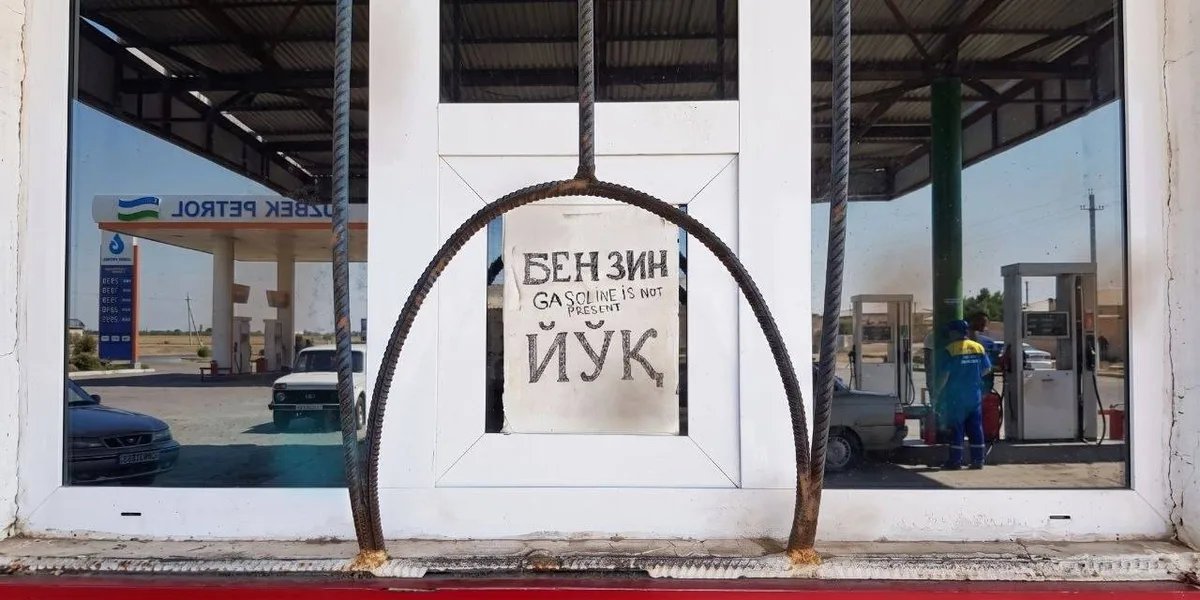
The summer 2026 fuel crisis, triggered by drone strikes halting the CPC terminal and Russian export curbs, has forced Central Asian governments to reassess their decades-old energy reliance. Kyrgyzstan, importing 95% of its fuel from Russia, faced acute shortages, while Uzbekistan began building strategic reserves.
The 2026 Disruption
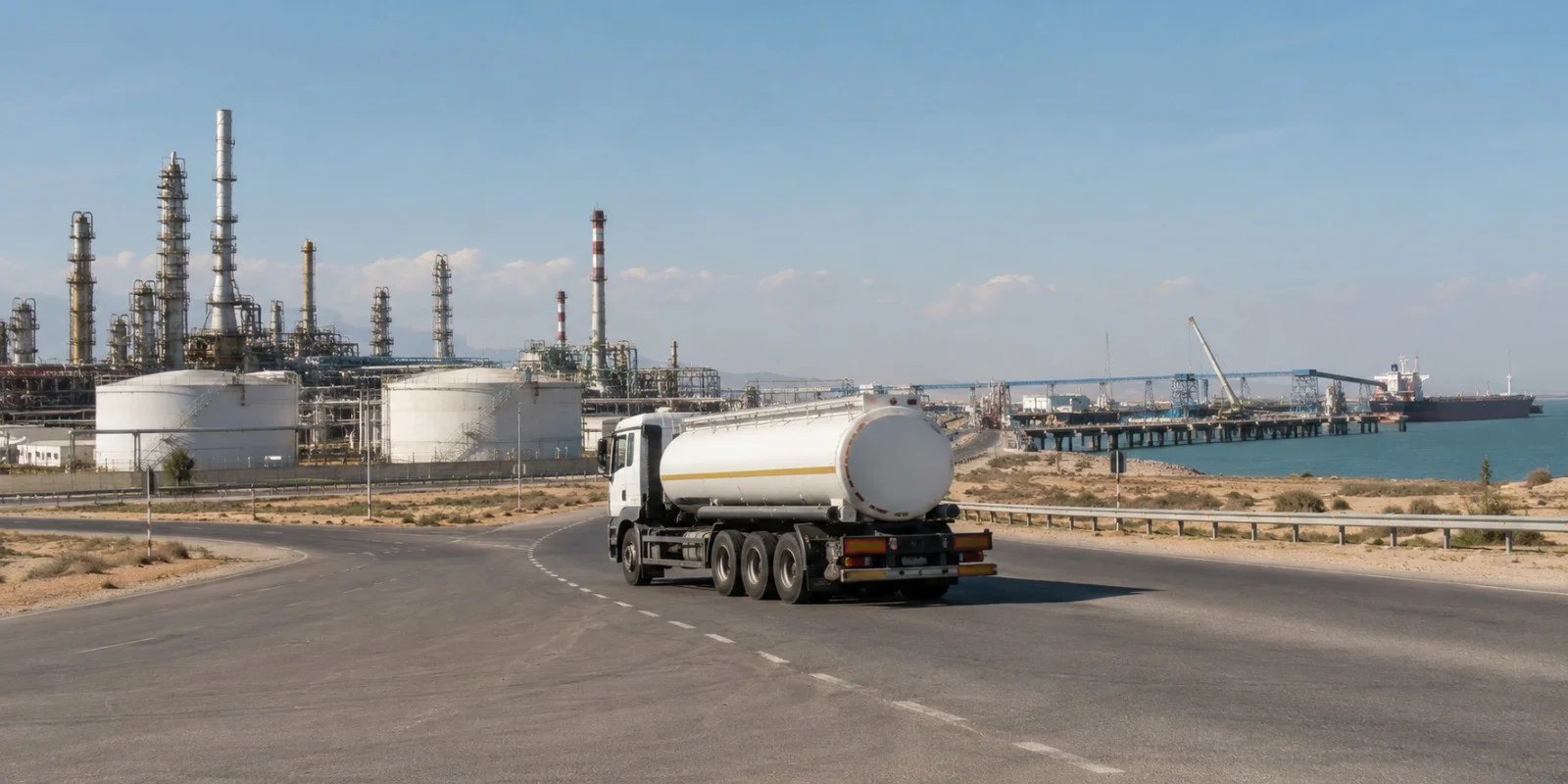
In July 2026, drone strikes temporarily shut down the Caspian Pipeline Consortium marine terminal in Novorossiysk, halting crude oil loadings. The terminal resumed normal operations on July 27, but the incident exposed the fragility of a principal export route. Simultaneously, Russia restricted gasoline and diesel exports amid prolonged domestic fuel market pressures, ending three decades of relatively stable supply to Central Asia.
Kyrgyzstan's Acute Vulnerability
Kyrgyzstan proved most exposed, importing 90–95% of its 1.6 million metric tons of annual fuel consumption from Russia. The sudden supply reduction in May–June 2026 forced Bishkek into urgent negotiations with alternative suppliers, including Kazakhstan, Uzbekistan, Azerbaijan, and Belarus. This near-total dependence, built over decades, left the country with few immediate alternatives.
Differing Levels of Preparedness
Uzbekistan, despite importing over $1 billion in crude and petroleum products in early 2026—gasoline imports up 85.1% year-on-year—moved to build a 120,000-metric-ton strategic gasoline reserve. Kazakhstan, with its modernized refineries in Atyrau, Pavlodar, and Shymkent, enjoyed far greater self-sufficiency and quickly became an emergency supplier. The crisis underscored stark contrasts in regional energy resilience.
What's Next
Central Asian governments are expected to accelerate fuel supply diversification, with new agreements under negotiation. It remains unclear how quickly Kyrgyzstan can reduce its 95% reliance on Russian fuel without major investment in storage and alternative import infrastructure.
1 source
2026 Fuel Crisis Exposes Central Asia's Unsustainable Dependence on Russian Supplies