
Kazakhstan’s mineral offer to Europe remains tied to Russian oil corridor
This digest was compiled by AI from multiple sources — links to the originals are below.
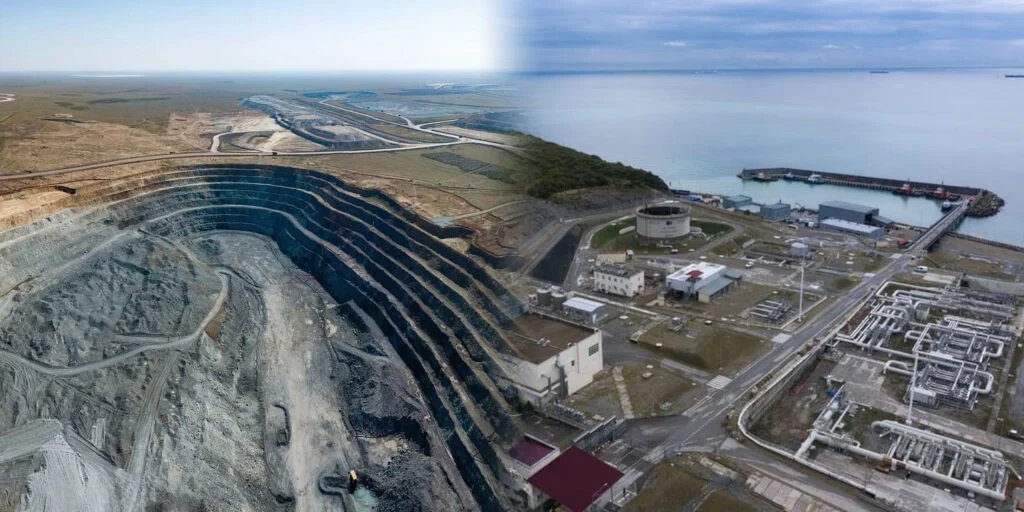
In June, President Tokayev presented Kazakhstan as Europe’s partner for critical minerals processing and offtake. A month later, drone attacks near the CPC terminal at Novorossiysk briefly disrupted its main oil export route, forcing production cuts. The episode exposed the structural dependence on a corridor through Russia that carries over 80% of Kazakhstan’s oil exports.
The Mineral Diversification Pitch
Kazakhstan told Brussels it could supply 21 of the 34 materials on the EU’s critical raw materials list, positioning itself as a non-Chinese processing and offtake base. Tokayev’s government wants European capital and technology to build local processing capacity, laboratories, and skills, moving up the value chain from ore exporter to processor. This offer is also an attempt to upgrade Western ties built over decades of oil investment at Tengiz and Kashagan.
Oil Corridor Exposure
Despite the minerals push, Kazakhstan’s economy remains anchored to crude oil, with the Caspian Pipeline Consortium (CPC) line handling over 80% of export volumes. The pipeline runs from Tengiz through Russia to the Novorossiysk terminal on the Black Sea. In July, drone attacks near the terminal briefly halted loadings, forcing production cuts at fields operated by Tengizchevroil. The incident underscored how an export route outside Kazakh control can disrupt hard-currency revenues.
Financing the Future Supply Chain
Turning mineral deposits into a reliable supply chain requires more than political statements; it needs geological surveys, processing technology, power, water, and long-term purchase commitments. Astana has placed offtake agreements at the center of its pitch, arguing that European demand must become bankable today for production to start years from now. If Europe seeks an alternative to Chinese processing dominance, it will need to help finance extraction and value-added facilities in Kazakhstan.
1 source
Time · lag behind first