US crude displaces Kazakh oil on Red Sea, drone risks
This digest was compiled by AI from multiple sources — links to the originals are below.

US crude's premium over global benchmark surged to $5 a barrel on July 23 as Kazakh output fell after drone strikes on tankers near the CPC terminal. The shift reflects growing demand for American oil in Mediterranean and Northwest European refineries traditionally supplied by Kazakhstan.
Supply Disruption
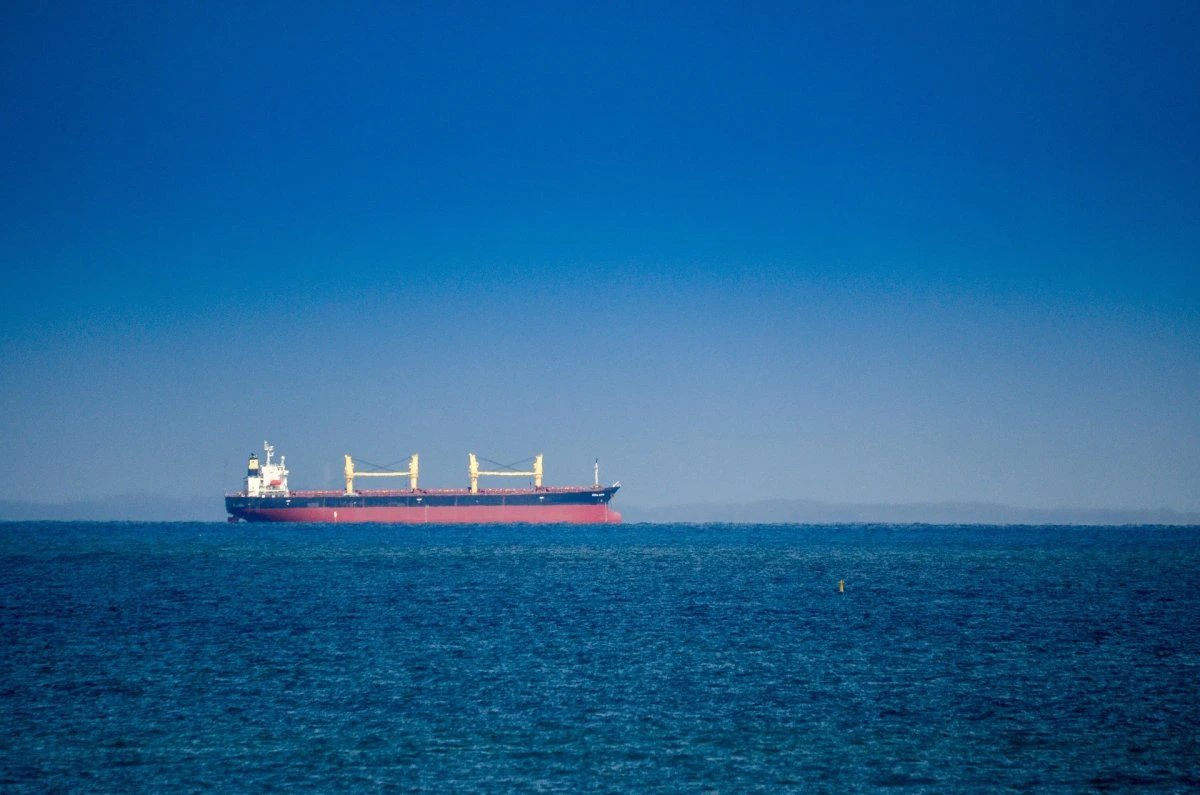
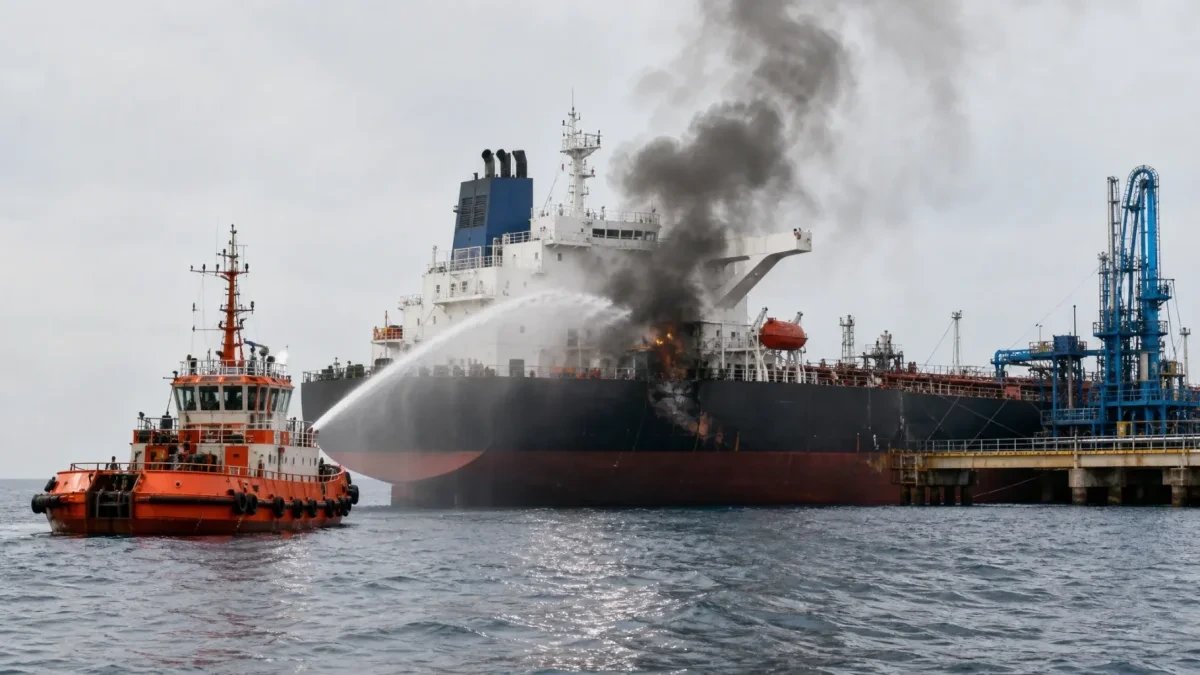
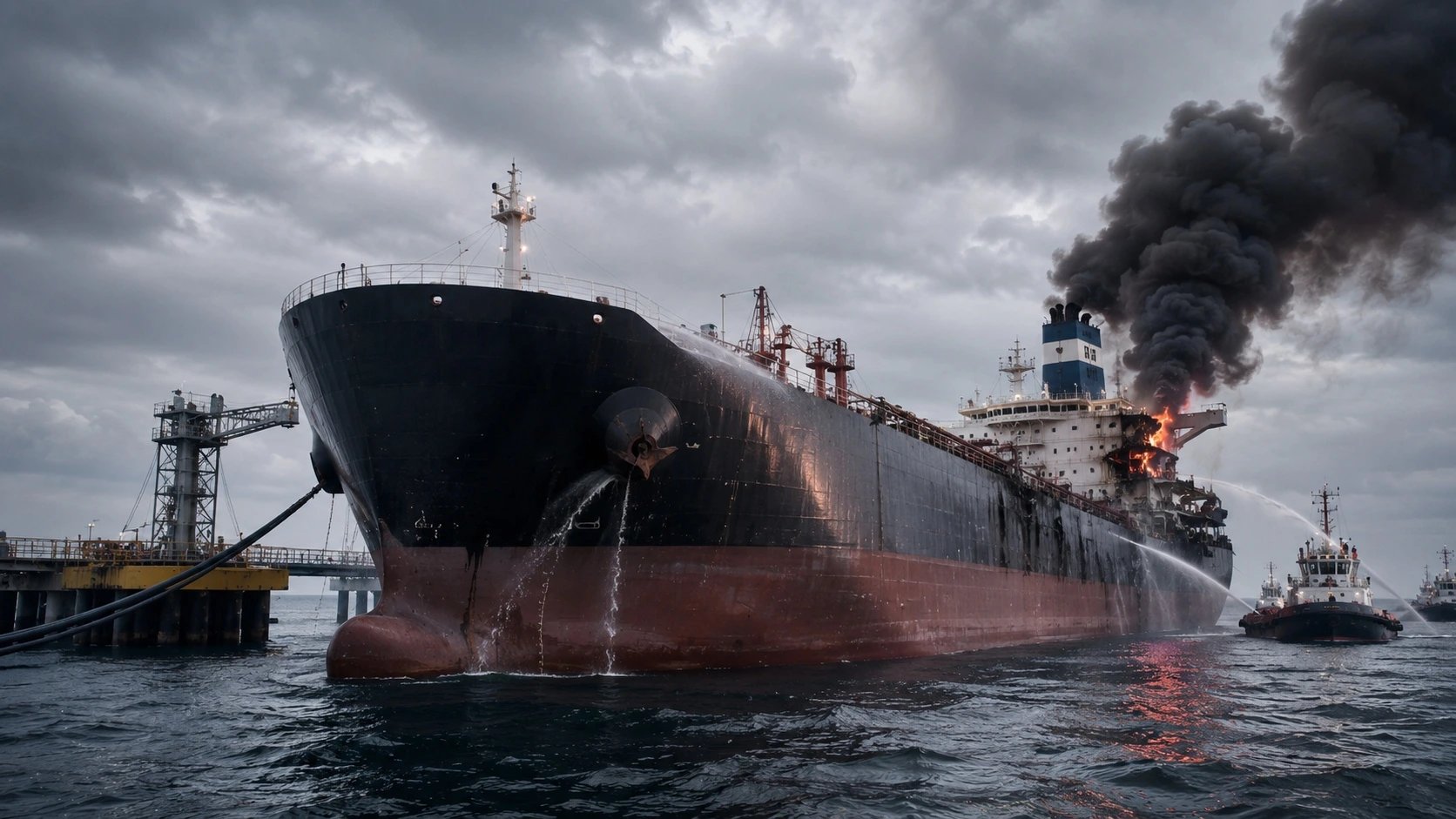
Kazakhstan's oil output fell sharply after multiple drone strikes hit tankers loading at the Caspian Pipeline Consortium (CPC) terminal. One vessel, NELSA, was under international sanctions. Shipowners now avoid sending tankers to the terminal, halting crude intake from Kazakhstan's largest fields and costing the country tens of millions of dollars daily.
Market Shift
According to Bloomberg, demand for US crude rose after Kazakhstan's output drop and Houthi attacks on Saudi tankers in the Red Sea. On July 23, West Texas Intermediate for September delivery traded at a $5 premium to the global benchmark, reversing a $2 discount the previous day. Sparta Commodities analysis shows WTI became more competitive in Mediterranean and Northwest European refineries.
Temporary Advantage
Bloomberg notes the suspension of Kazakh supplies is likely temporary, meaning US crude's attractiveness may be short-lived. Kazakhstan's Energy Ministry described the output decline as a 'controlled adjustment' without specifying volumes or duration. The situation remains fluid as drone attacks continue.
What's Next
The CPC terminal's operations remain uncertain as shipowners assess security risks. It remains unclear when Kazakh output will recover and whether US crude can retain its premium once supply resumes.
1 source
US crude displaces Kazakh oil on Red Sea, drone risks