
Kazakhstan allocates $21.5 mln for new KazSat-3R satellite
This digest was compiled by AI from multiple sources — links to the originals are below.
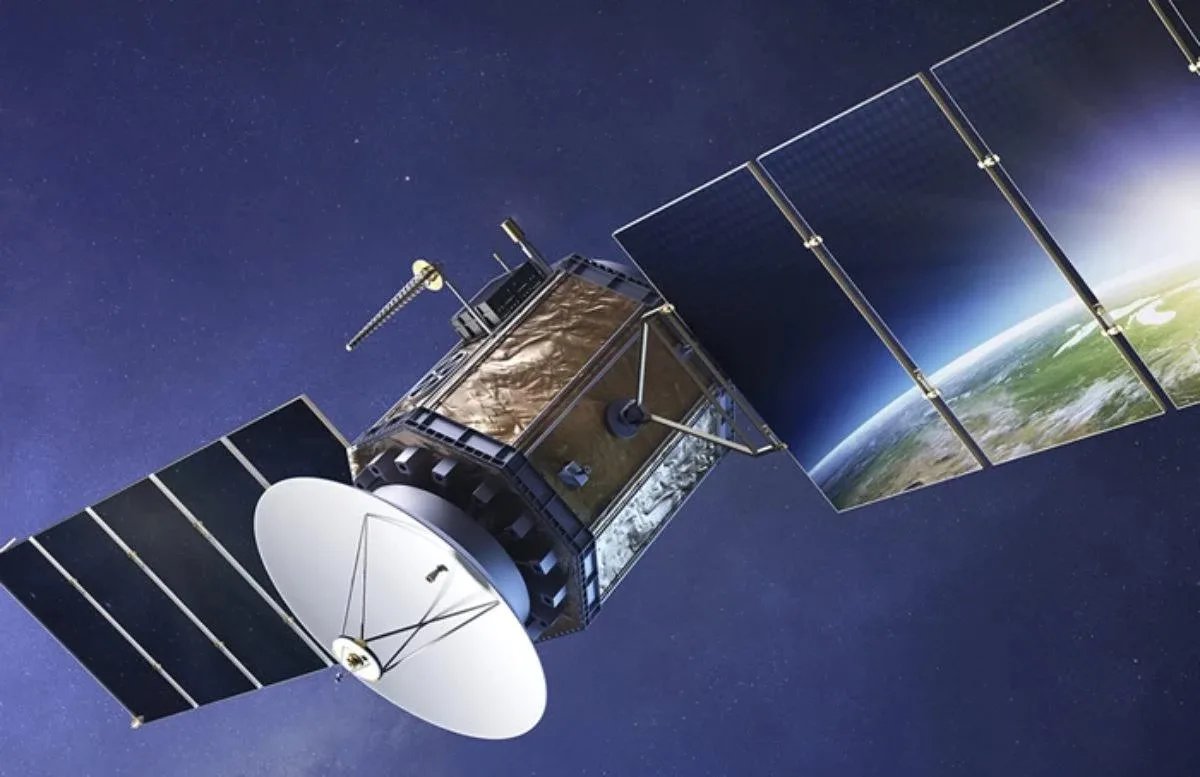
The Kazakh government has allocated 10.4 billion tenge ($21.5 million) from its reserve fund to build the KazSat-3R communications satellite, Prime Minister Olzhas Bektenov signed a decree on July 22. The new satellite will replace the KazSat-3, whose planned service life ends in 2029, ensuring continuity of the national satellite communications system.
Project Scope and Funding
The government allocated 10.4 billion tenge ($21.5 million) from its reserve for the KazSat-3R project, according to the prime minister's office. The satellite is designed to replace the KazSat-3, which has been in orbit since 2014 and is expected to reach the end of its planned service life in 2029. In May, Digital Development Minister Zhaslan Madiyev told parliament that procurement for the satellite's development would be conducted in two stages, with a contract expected by the end of 2025. Senator Andrei Lukin earlier called for accelerating the project, noting that total state co-financing of 40.2 billion tenge ($83 million) would be required.
Current System and Benefits
The existing KazSat system is used by 19 telecom operators and serves over 2 million television subscribers, providing TV and radio broadcasting, data transmission, mobile communications, and internet access, according to the government. The new satellite aims to expand internet access to remote and sparsely populated areas, enhance information security, and strengthen Kazakhstan's technological sovereignty. The government noted that 99% of the population already has access to high-speed internet, including over 4,500 rural settlements, but satellite remains the only option for hard-to-reach areas.
23 sources
Time · lag behind first