
Russia's central bank sells record 43.5 tonnes of gold
This digest was compiled by AI from multiple sources — links to the originals are below.
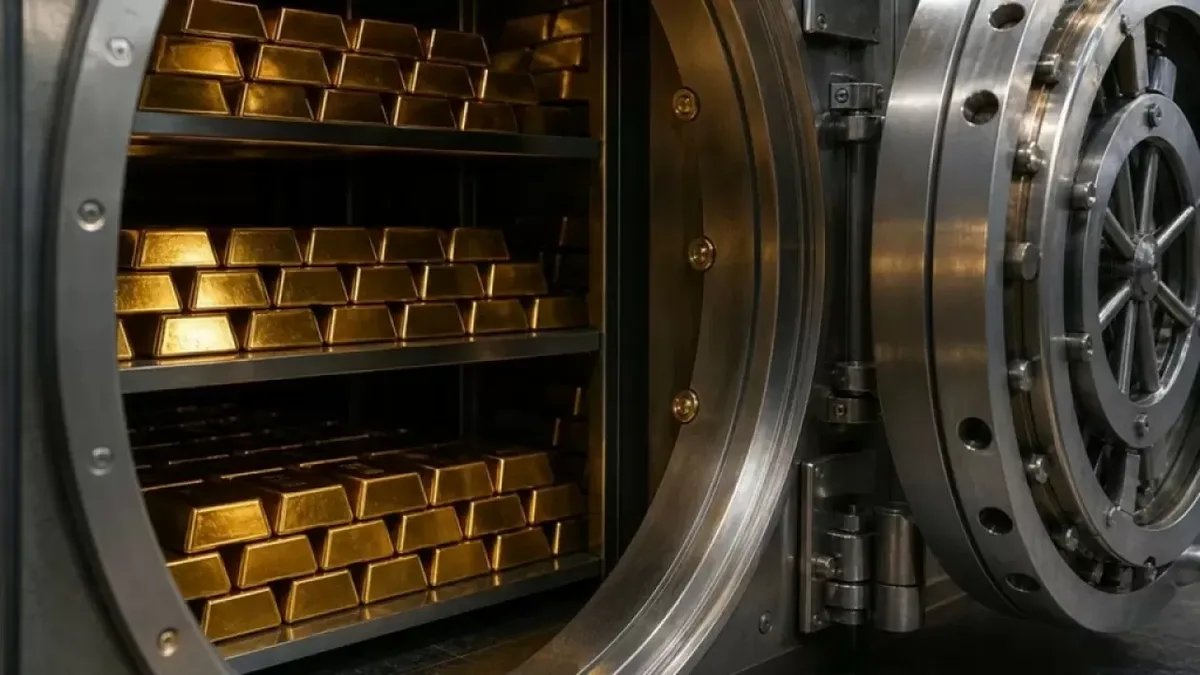
The Bank of Russia reduced its gold reserves by 43.5 tonnes in the first half of 2026, the largest sell-off in decades. The central bank's total international reserves fell to $720.4 billion at end-June from $747.4 billion a month earlier. Analysts link the sales to a widening federal budget deficit that reached 4.6 trillion rubles by late March.
Record Gold Sales
The Bank of Russia sold 43.5 tonnes of gold in the first half of 2026, with June alone accounting for 9.3 tonnes, according to data from the regulator cited by Inbusiness.kz. This marks the sixth consecutive month of decline, bringing reserves to their lowest since March 2022. The World Gold Council reported in April that the reduction was the largest since 2002.
Budget Deficit Driver
Analysts at Freedom Finance Global and Freedom Global said the gold sales were driven by the need to finance a federal budget deficit that reached 4.6 trillion rubles by late March. Without the central bank's operations, the deficit could have exceeded 5 trillion rubles, according to analyst Natalya Milchakova. Some gold may also have been swapped for yuan to replenish foreign exchange reserves amid falling export revenues.
Historical Context
Russia had been one of the world's largest gold buyers for over two decades, purchasing more than 1,900 tonnes between 2002 and 2025. The current sell-off is unprecedented in scale, with the only previous notable reduction being 7.7 tonnes in July 2005. Russia remains the second-largest gold producer globally, mining over 300 tonnes annually.
1 source
Time · lag behind first