Fungal transporter protein study suggests new treatment avenues
This digest was compiled by AI from multiple sources — links to the originals are below.
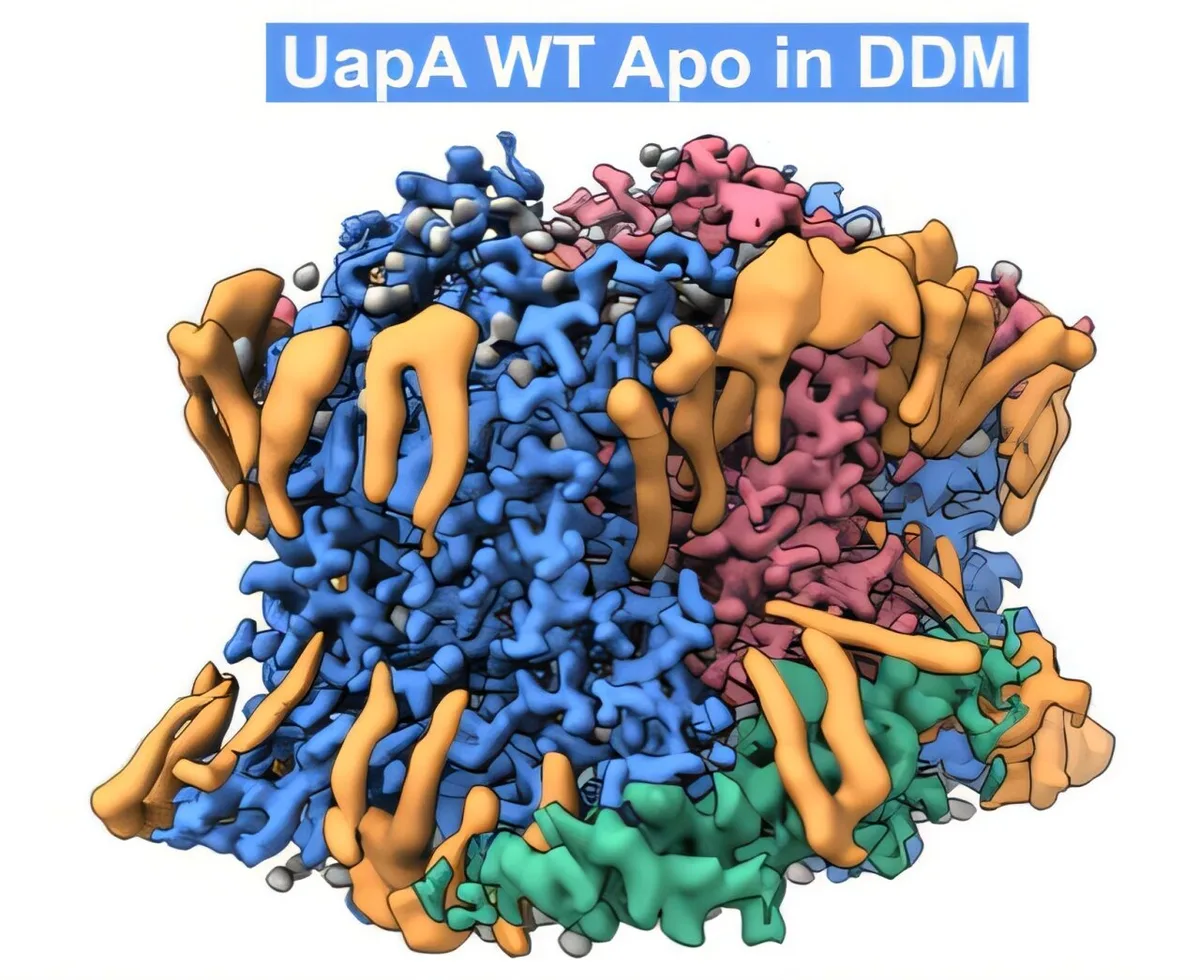
Researchers at the University of Münster and the National and Kapodistrian University of Athens have analyzed the UapA transporter in the fungus Aspergillus nidulans, revealing how it selectively controls nutrient entry. The findings may inform new strategies for treating fungal infections by targeting similar transporter proteins in pathogenic fungi.
The Transporter Mechanism
The UapA transporter belongs to a family of proteins that act as gatekeepers, regulating the entry of substances into cells. The team used structural and functional analyses to map how UapA recognizes and transports its substrates. The study, published in Nature Communications, provides a detailed molecular understanding of selectivity in fungal nutrient uptake.
Implications for Antifungal Therapy
Pathogenic fungi rely on similar transporters to acquire essential nutrients from hosts. By elucidating the UapA structure, researchers identified potential drug targets that could block nutrient import in disease-causing fungi. The approach may lead to treatments with fewer side effects compared to current antifungals, which often target broader cellular processes.
What's Next
The team plans to investigate transporter proteins in pathogenic fungal species such as Candida and Aspergillus fumigatus. It remains unclear whether these findings will translate into effective clinical candidates, as drug development faces challenges in specificity and delivery.
1 source
Fungal transporter protein study suggests new treatment avenues