
Cold radium molecules open new path to study matter-antimatter asymmetry
This digest was compiled by AI from multiple sources — links to the originals are below.
Researchers have created chilled molecules containing the radioactive element radium for the first time, using a process akin to candy-making. The technique produces molecules cold enough to enable precise measurements of fundamental physics. The work aims to address why matter dominates antimatter in the universe.
The Technique
The team combined radium atoms with other molecules in a vacuum chamber, then used laser cooling and a buffer gas to bring the temperature to near absolute zero. The process resembles making candy by pulling and stretching the molecules to reduce their motion. This is the first time radium, a heavy and unstable element, has been incorporated into such cold molecular systems.
Physics Implications
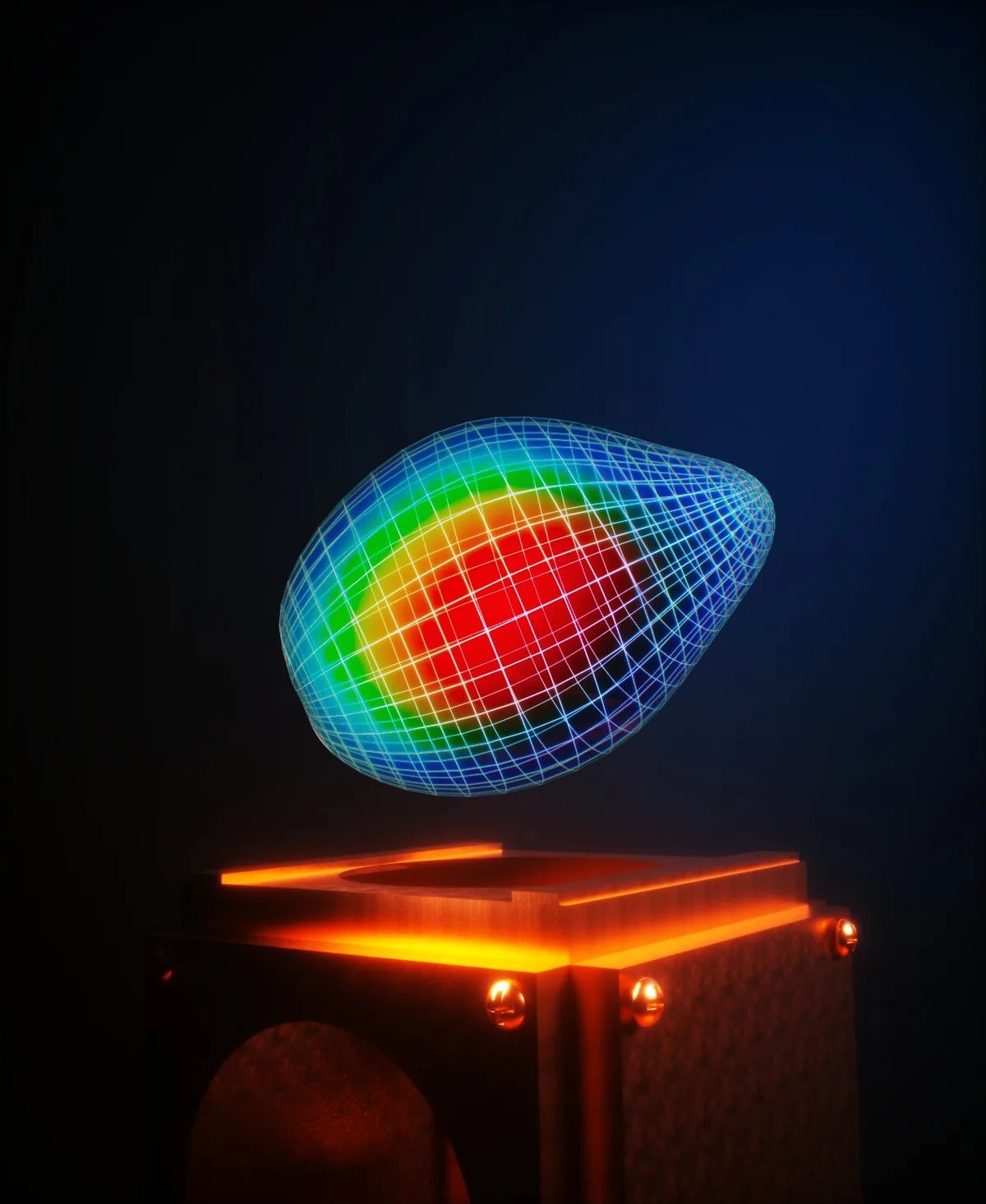
Radium's heavy nucleus and asymmetric shape make it highly sensitive to tiny differences in the behavior of matter and antimatter. The cold molecules allow researchers to measure these effects with unprecedented precision. Such measurements could reveal new particles or forces beyond the Standard Model, potentially explaining the cosmic imbalance between matter and antimatter.
1 source
Time · lag behind first