Kazakhstan bans export of fertile soil layer, enacts new protection law
This digest was compiled by AI from multiple sources — links to the originals are below.
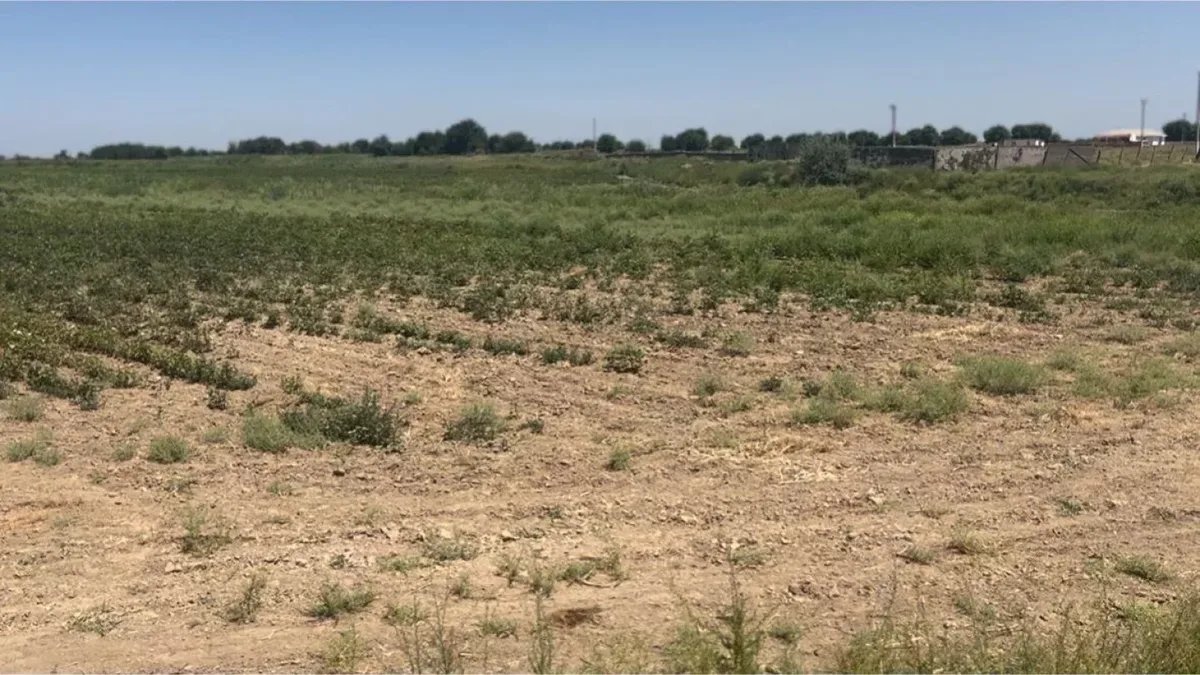
President Tokayev signed the Law on Soil Protection, banning the export of fertile soil layer outside Kazakhstan. The law, effective September 2026, also requires those responsible for land degradation to pay for restoration.
Export Ban and Usage Rules
The new law prohibits exporting fertile soil layer abroad, allowing its use only for reclamation of disturbed lands, restoration of degraded areas, improvement of agricultural land, and greening of settlements. Restrictions on soil use may be imposed based on soil, reclamation, and agrochemical surveys, as well as soil monitoring and bonitet assessment.
Liability and Monitoring
Landowners and users must compensate for restoration costs if their actions or inaction caused soil degradation. Businesses are required to self-monitor their impact on soil condition. Owners must allow specialists access for surveys and monitoring, while agrochemical data from the national bank will be publicly available.
Special Regime and Conservation
Authorities may introduce a special land-use regime, including restrictions or bans on certain activities, to restore soil fertility. If restoration is impossible, the land may be conserved. The law takes effect in September 2026.
What's Next
The law will come into force in September 2026, with implementing regulations expected in the coming months. It remains unclear how enforcement will be structured and whether businesses will face transitional periods.
1 source
Kazakhstan bans export of fertile soil layer, enacts new protection law