GM parasitic worms produce drugs inside living organisms
This digest was compiled by AI from multiple sources — links to the originals are below.
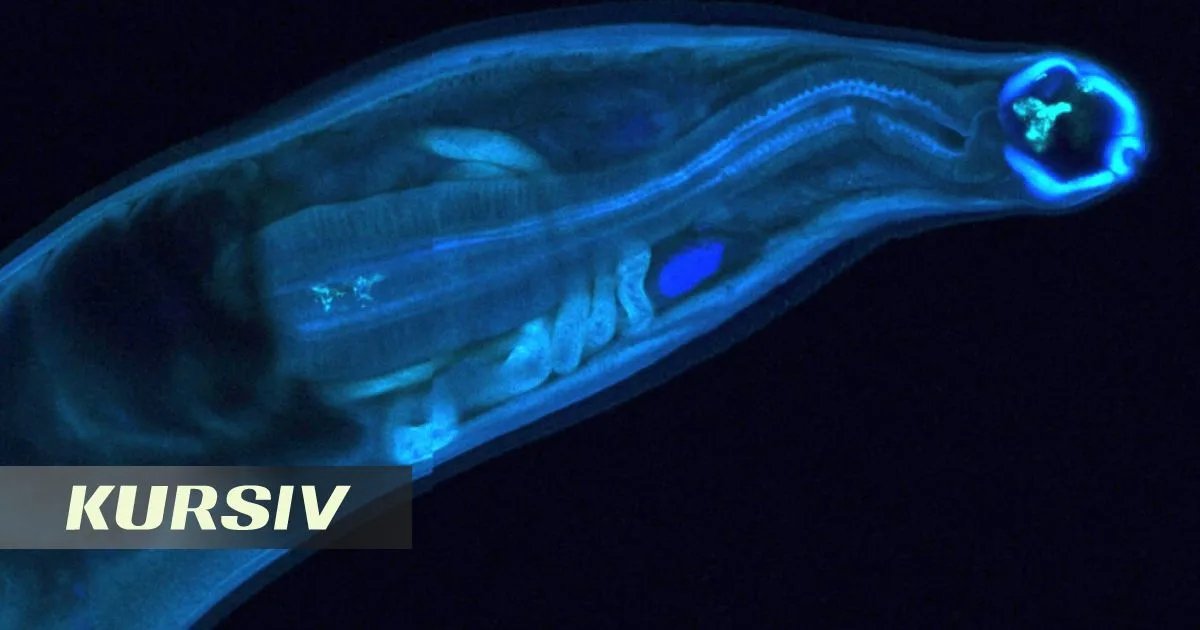
US scientists have created genetically modified hookworms that produce therapeutic substances inside a living host. The study, published in Nature Communications, demonstrates the worms' ability to secrete a human antibody that neutralizes tetrodotoxin, a potent neurotoxin found in pufferfish.
Genetic Modification
Researchers used CRISPR gene editing to insert a human antibody gene into the hookworm genome. The antibody targets tetrodotoxin, a toxin with no known antidote. The modified worms successfully produced and secreted the functional antibody after infecting a host.
Therapeutic Potential
The approach could enable continuous drug delivery for chronic diseases, bypassing the need for injections. Hookworms naturally suppress host immune responses, reducing rejection risk. The study marks the first time parasitic worms have been engineered to produce mammalian therapeutic proteins.
What's Next
The team plans to test the worms in larger animals to assess safety and efficacy. It remains unclear whether the method can be scaled for human use or if long-term infection poses health risks.
1 source
GM parasitic worms produce drugs inside living organisms