Super El Niño officially begins, threatening global and Kazakhstan weather
This digest was compiled by AI from multiple sources — links to the originals are below.
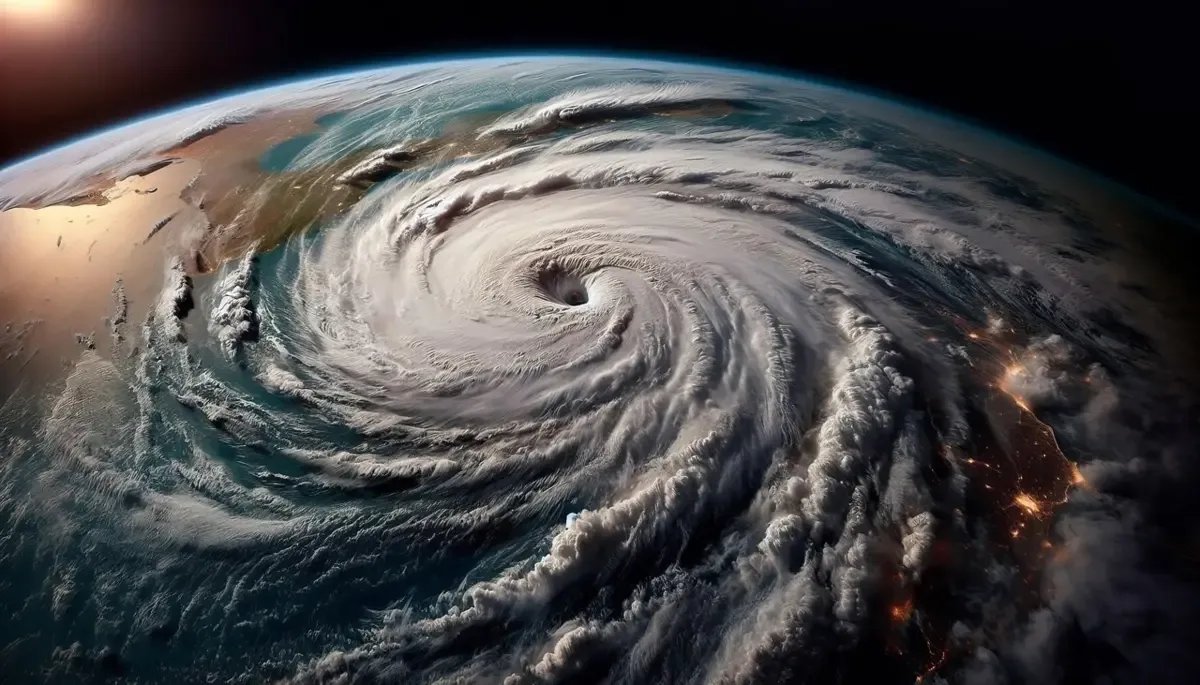
The World Meteorological Organization (WMO) has confirmed the onset of a Super El Niño event, expected to intensify through late 2026. The phenomenon could disrupt global weather patterns, bringing extreme heat and drought to parts of Central Asia, including Kazakhstan.
The Confirmation
The WMO declared the official start of a Super El Niño on June 12, 2026, based on sea surface temperature anomalies exceeding 2.5°C in the central Pacific. This is the first such event since 2015-2016, which caused widespread crop failures and wildfires globally. The current episode is projected to peak between November 2026 and January 2027.
Global and Regional Impacts
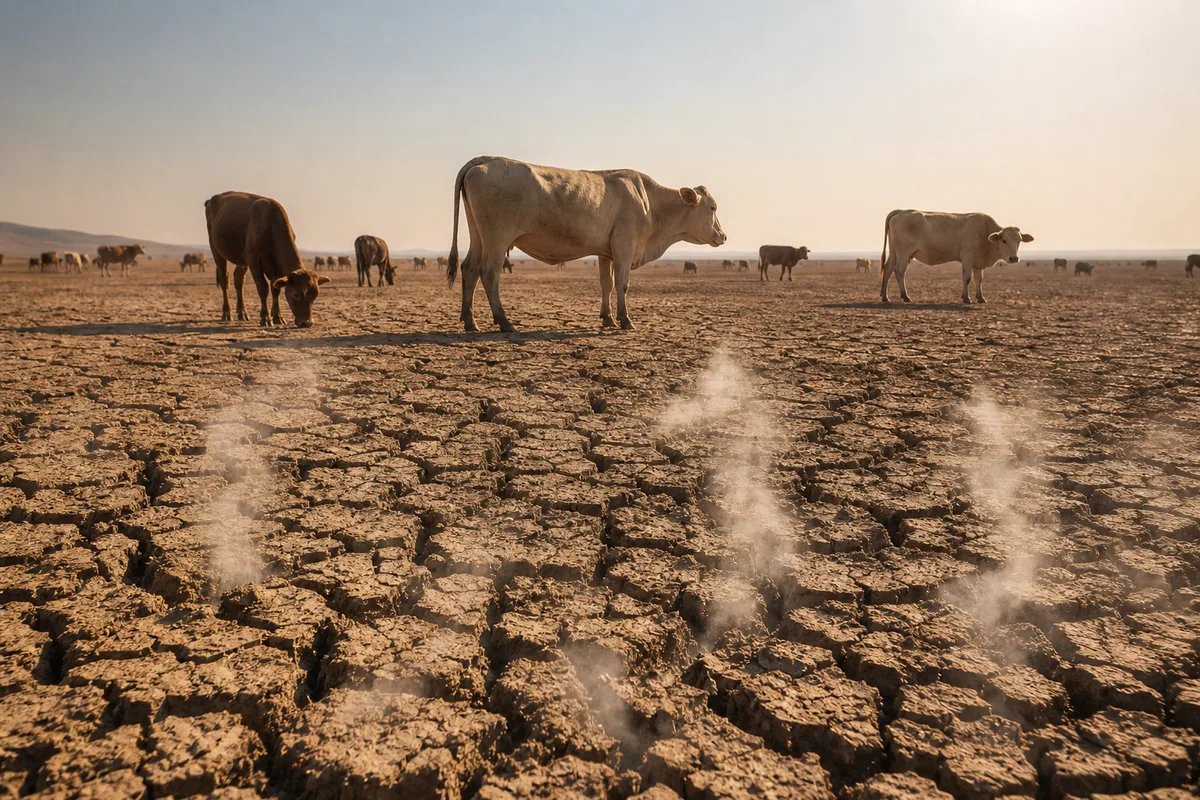
Historically, Super El Niño events trigger severe droughts in Southeast Asia, Australia, and parts of Africa, while increasing flood risks in the Americas. For Kazakhstan, the WMO warns of a 60-70% probability of below-average rainfall in southern and western regions during the 2026-2027 winter, threatening wheat and livestock production. The country's agriculture ministry has not yet issued a formal response.
What's Next
The WMO will release updated seasonal forecasts in July 2026, which may refine regional impact probabilities. It remains unclear whether Kazakhstan's government will activate emergency drought protocols or adjust grain export quotas.
1 source
Super El Niño officially begins, threatening global and Kazakhstan weather