
Kazakhstan delays arrest for criminal misdemeanors until 2030
This digest was compiled by AI from multiple sources — links to the originals are below.
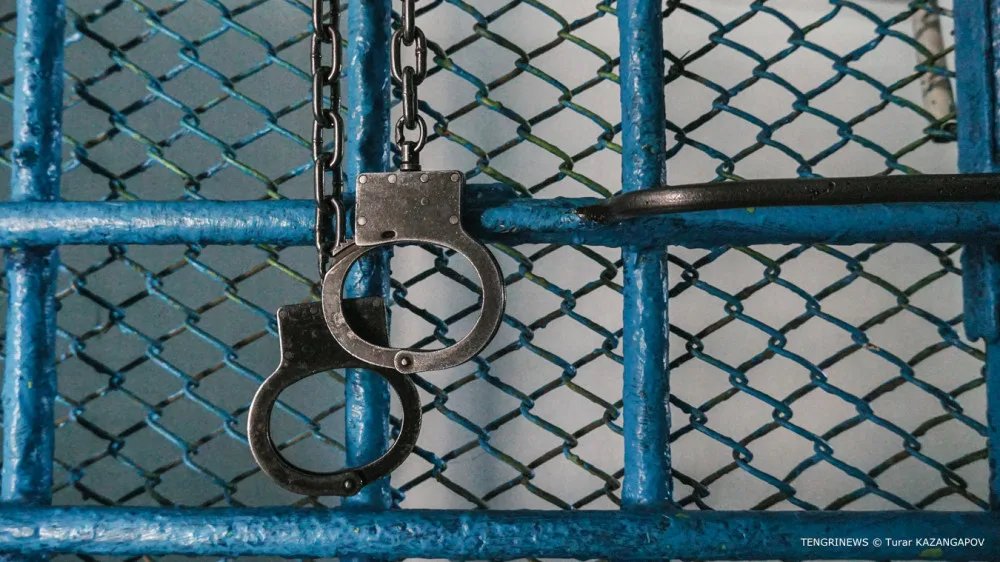
The Senate of Kazakhstan approved in the first reading amendments postponing the enforcement of arrest for criminal misdemeanors until January 1, 2030. The delay is due to the lack of necessary infrastructure for detention facilities.
Arrest Suspension Extended
The amendments extend the suspension of Article 45 of the Criminal Code, which provides for arrest as punishment for criminal misdemeanors, until January 1, 2030. According to the profile committee, the decision stems from a lack of infrastructure to enforce such sentences. The state requires additional time to build special detention facilities.
Pre-Trial Procedure Changes
The bill retains the right for pre-trial investigation bodies to draw up indictments, which will then be approved by prosecutors. Developers argue the current system creates duplication, as investigation materials and indictments often contain identical information, increasing the burden on the prosecutor's office. The document also reduces redundant procedural steps, clarifies prosecutor powers, and adjusts territorial jurisdiction of criminal cases.
Amnesty Mechanism Digitalized
Amendments to the Administrative Code aim to improve the application of amnesty acts. Consent of the offender or victim will no longer be required for amnesty. The presence of an amnesty act will become a circumstance excluding proceedings. Amnesty registers will be formed automatically via the Unified Register of Administrative Proceedings, with decisions made electronically.
4 sources
Time · lag behind first