Nature showcases insect wing colors amid peer review debate
This digest was compiled by AI from multiple sources — links to the originals are below.
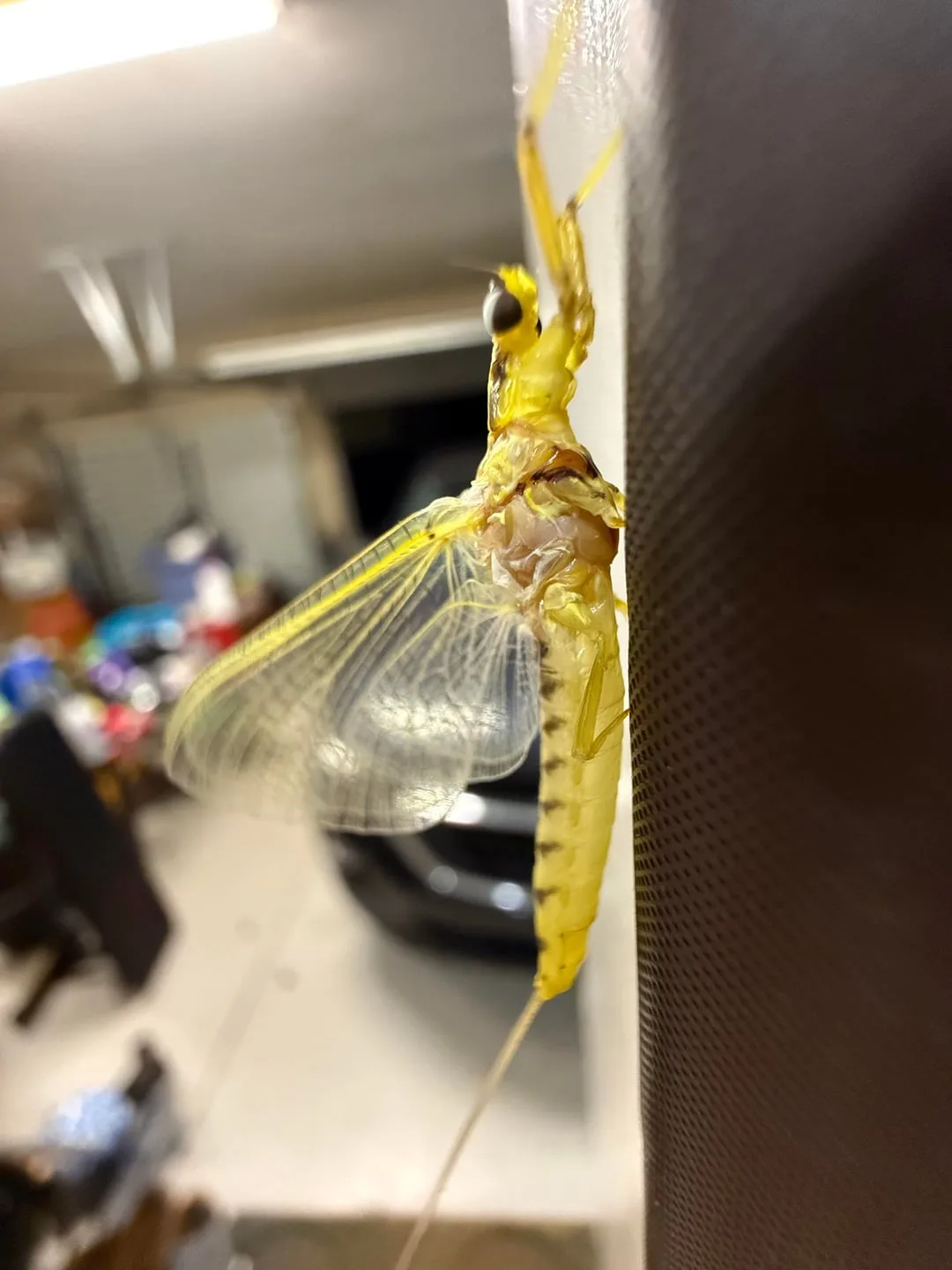
Nature publishes findings on preserving insect wing colors in displays. The publication coincides with a debate over peer review in technology. The experiment highlights a unique preservation method even as discussions continue.
Insect Wing Preservation
Nature's recent publication details an experiment aimed at preserving the vivid colors of insect wings for display purposes. The study, published online on April 21, 2026, explores the use of yellow glass to maintain color integrity. Researchers involved in the study argue that this method offers a significant improvement over traditional preservation techniques. The experiment is part of a broader effort to enhance the visual appeal of insect displays in museums.
Peer Review Debate
The publication of the insect wing study occurs amid a broader debate about the peer review process in technology. Critics argue that current peer review practices may hinder innovation and delay the dissemination of important findings. Nature's involvement in this debate highlights the ongoing tension between maintaining rigorous scientific standards and fostering technological advancement. The discussion has drawn attention from various academic and industry leaders.
Dragonfly Wing Development
A time-lapse video from the Smithsonian Channel documents the emergence of a dragonfly larva from water, revealing four lumps on its back that develop into wings. The footage, part of David Attenborough's series, illustrates the transformation of these structures into the most powerful wings in the insect kingdom.
What's Next
The scientific community awaits further developments in the peer review debate. It remains unclear how this will impact future publications and research methodologies.
2 sources
Nature showcases insect wing colors amid peer review debate