Middle Corridor Trade Surges as Hormuz Tensions Persist
This digest was compiled by AI from multiple sources — links to the originals are below.
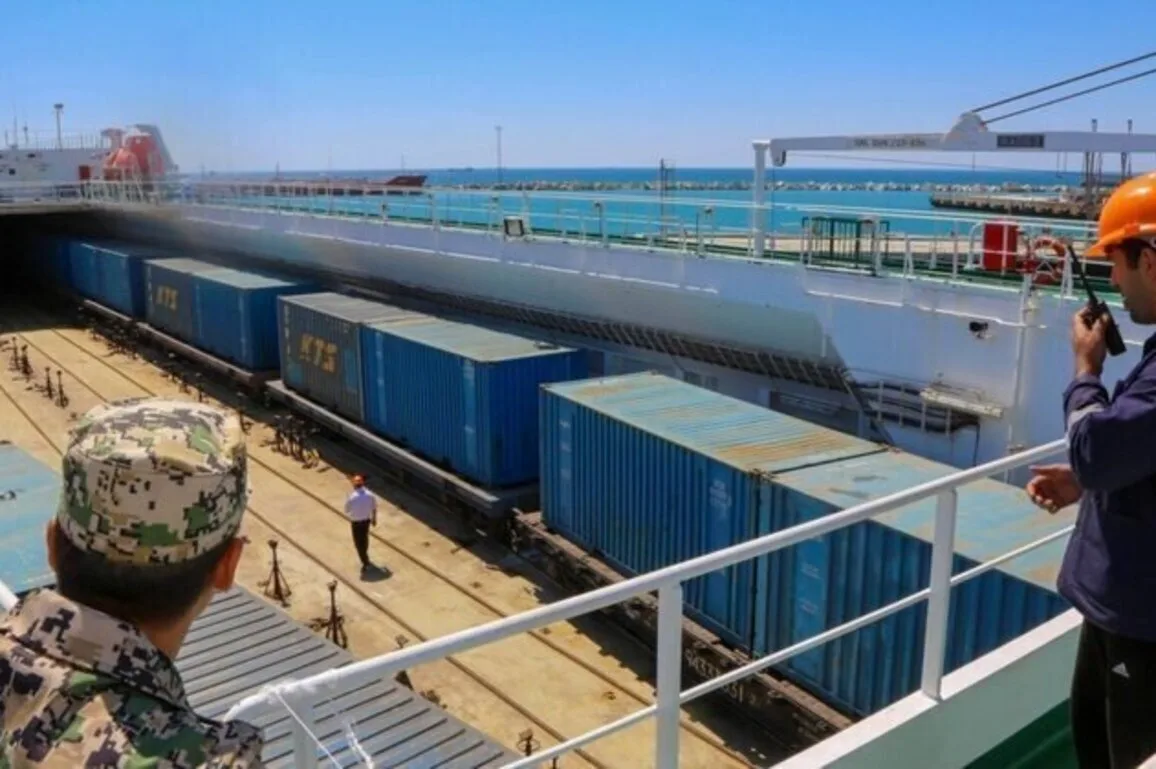
Eurasian trade routes are shifting as tensions in the Strait of Hormuz continue. The Middle Corridor is becoming a crucial alternative for logistics. This shift occurs even as diplomatic efforts to stabilize the region face challenges.
Trade Route Shift
The Middle Corridor, an overland trade route connecting Asia and Europe, is gaining prominence as tensions in the Strait of Hormuz disrupt traditional maritime routes. The corridor passes through countries like Kazakhstan, Azerbaijan, and Georgia, offering a viable alternative. According to RFE/RL, the route's capacity has increased by 30% in recent months. This shift is driven by the need to avoid geopolitical risks in the Persian Gulf.
Diplomatic Challenges
Efforts to ease tensions between the United States and Iran over the Strait of Hormuz have seen limited success. The strategic waterway remains a point of contention, affecting global oil supply routes. Diplomatic talks have been ongoing, but no significant breakthroughs have been reported. The situation has prompted countries to seek alternative trade routes, with the Middle Corridor emerging as a key focus.
Investment Surge in Middle Corridor
The Middle Corridor is attracting billions of dollars in investment as Western nations seek secure supply chains and access to critical minerals. The route bypasses Russia entirely, stretching across Kazakhstan, the Caspian Sea, the Caucasus, and Turkey.
Northern Corridor Closure
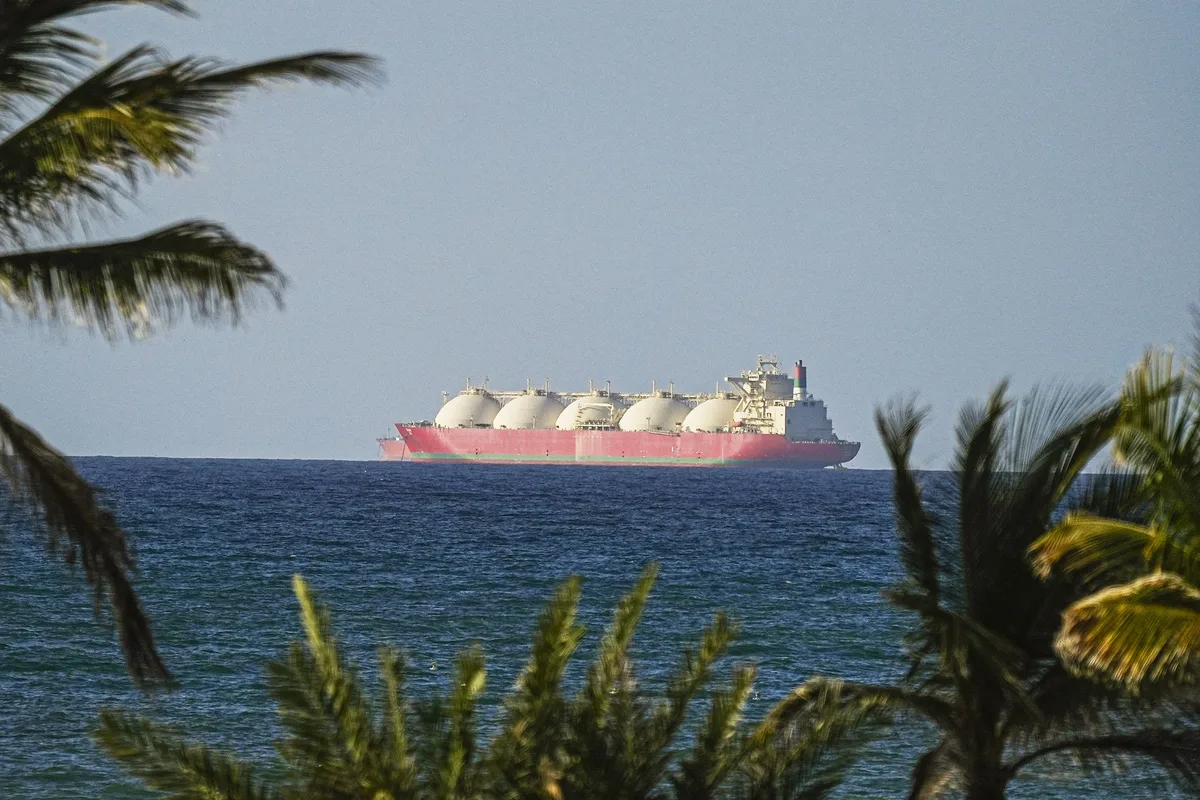
The Northern Corridor through Russia has been rendered inoperable due to Western sanctions imposed in 2022. The Strait of Hormuz was closed on March 1, leaving 150 tankers anchored outside with no alternative route. The Cape of Good Hope adds 30 days to shipping times.
China-Europe Railway Express Fragility
The China-Europe Railway Express, which carries 90% of rail freight between China and Europe, relies on a single border crossing at Khorgos. This chokepoint makes the route vulnerable to disruptions, as any closure could halt the entire rail network.
What's Next
The next round of diplomatic talks is expected to take place next month. It remains uncertain whether these efforts will lead to a de-escalation of tensions in the Strait of Hormuz.
4 sources
Middle Corridor Trade Surges as Hormuz Tensions Persist