ASEAN reassesses economic outlook amid Hormuz oil crisis
This digest was compiled by AI from multiple sources — links to the originals are below.
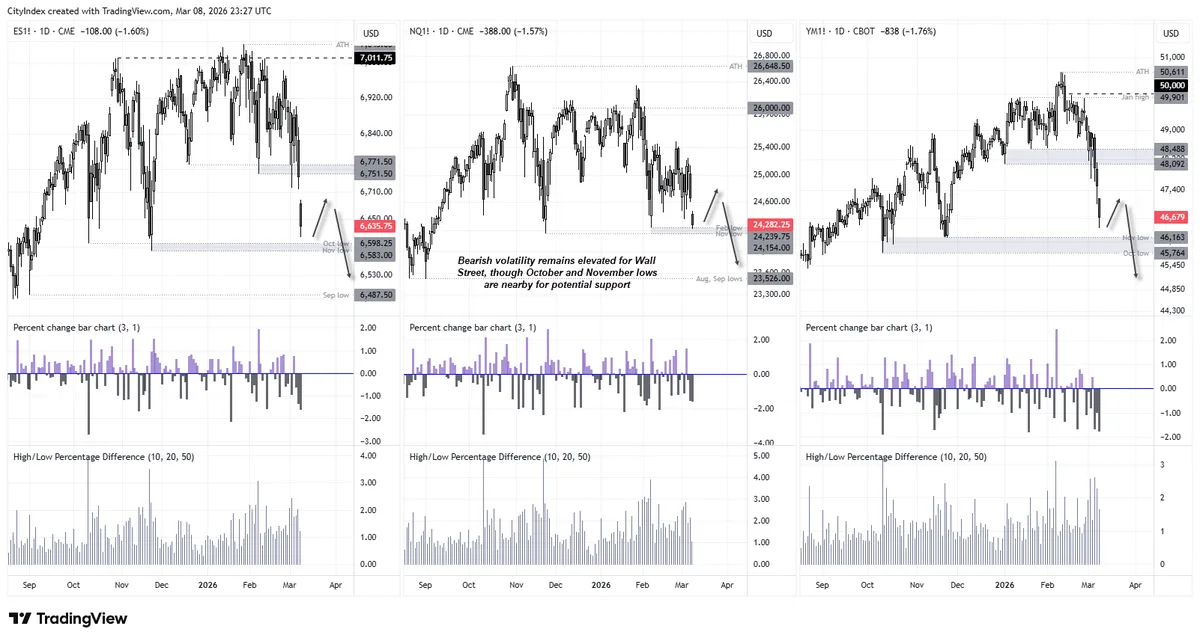
ASEAN is reevaluating its economic outlook as the Hormuz oil crisis impacts regional economies. The crisis has led to increased uncertainty in energy supplies. This comes even as global markets remain volatile.
Economic Reassessment
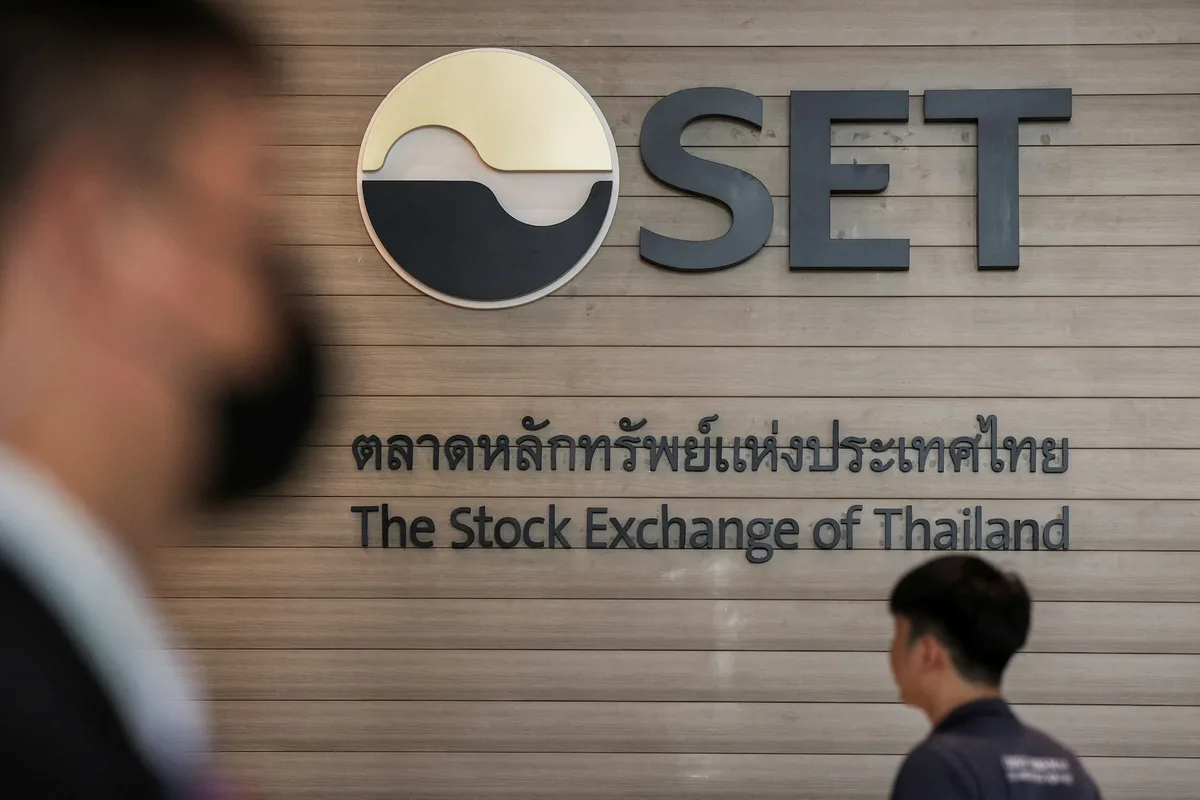
ASEAN countries are reevaluating their economic strategies in response to the Hormuz oil crisis. The crisis has disrupted oil supplies, affecting economies like Indonesia and Thailand. Marcus Tantau from Templeton Research highlights the need for diversification in energy sources. The region's reliance on Middle Eastern oil has been a focal point of concern. ASEAN's economic ministers are expected to discuss potential policy shifts.
Impact on Energy Supplies
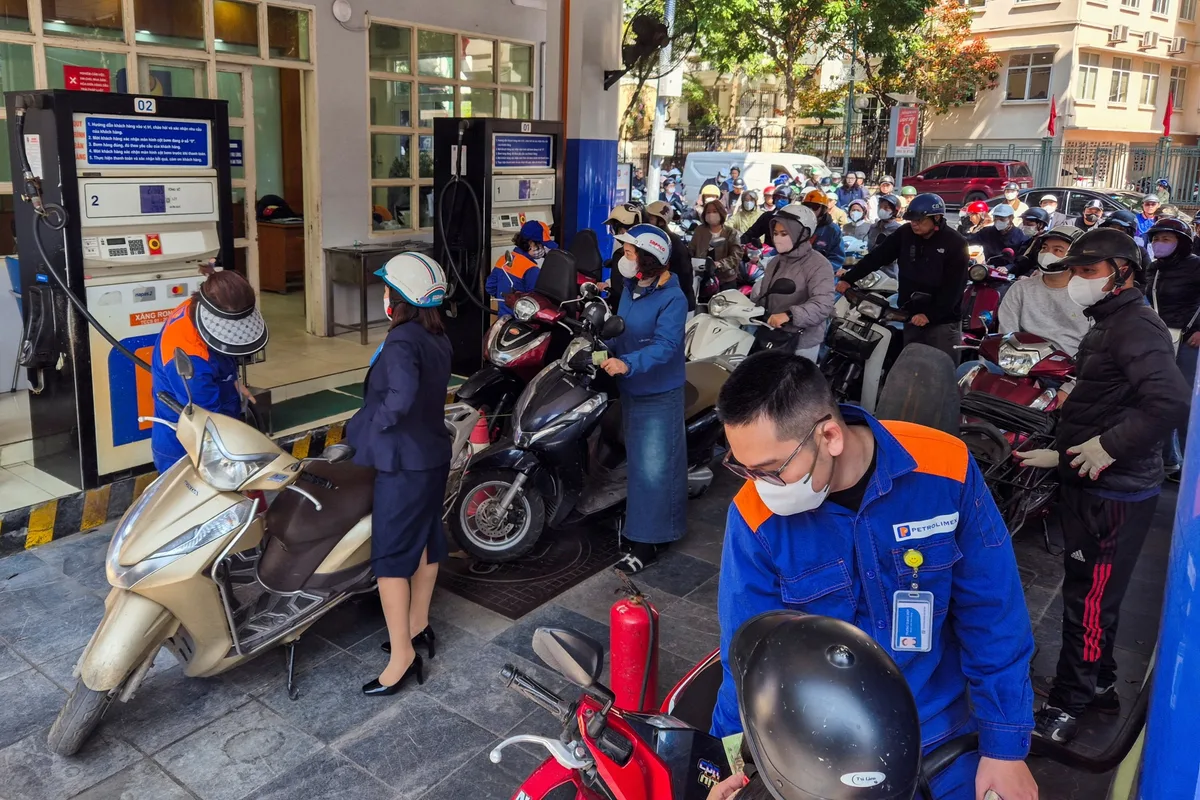
The Hormuz oil crisis has led to significant disruptions in energy supplies across Southeast Asia. Indonesia, a major oil importer, faces increased costs and potential shortages. Thailand is also experiencing volatility in energy prices, impacting its manufacturing sector. The crisis has underscored the vulnerability of ASEAN economies to external shocks. Energy security is becoming a priority for regional policymakers.
What's Next
ASEAN economic ministers are scheduled to meet next week to address the crisis. It remains unclear how quickly alternative energy strategies can be implemented.
1 source
ASEAN reassesses economic outlook amid Hormuz oil crisis