Kazakhstan reviews stray dog policy amid global strategy shift
This digest was compiled by AI from multiple sources — links to the originals are below.

Kazakhstan is reassessing its approach to managing stray dogs as international strategies evolve. The current system, known as OSVV, has not met expectations. This review comes even as global organizations advocate for comprehensive solutions.
Current System in Kazakhstan
Kazakhstan employs the OSVV system to manage stray dog populations, which includes capture, sterilization, vaccination, and release. However, this approach has not achieved the desired reduction in stray numbers. The system's effectiveness is under scrutiny as the country faces ongoing challenges with stray animal management.
Global Strategies and Recommendations
The World Health Organization (WHO), World Organisation for Animal Health (WOAH), and the Food and Agriculture Organization (FAO) advocate for a comprehensive approach to stray animal control. Their 'Zero by 30' strategy aims to eliminate dog-mediated human rabies deaths by 2030. These organizations emphasize integrated methods combining vaccination, sterilization, and public education.
Stray Dog Traffic Incident in Almaty
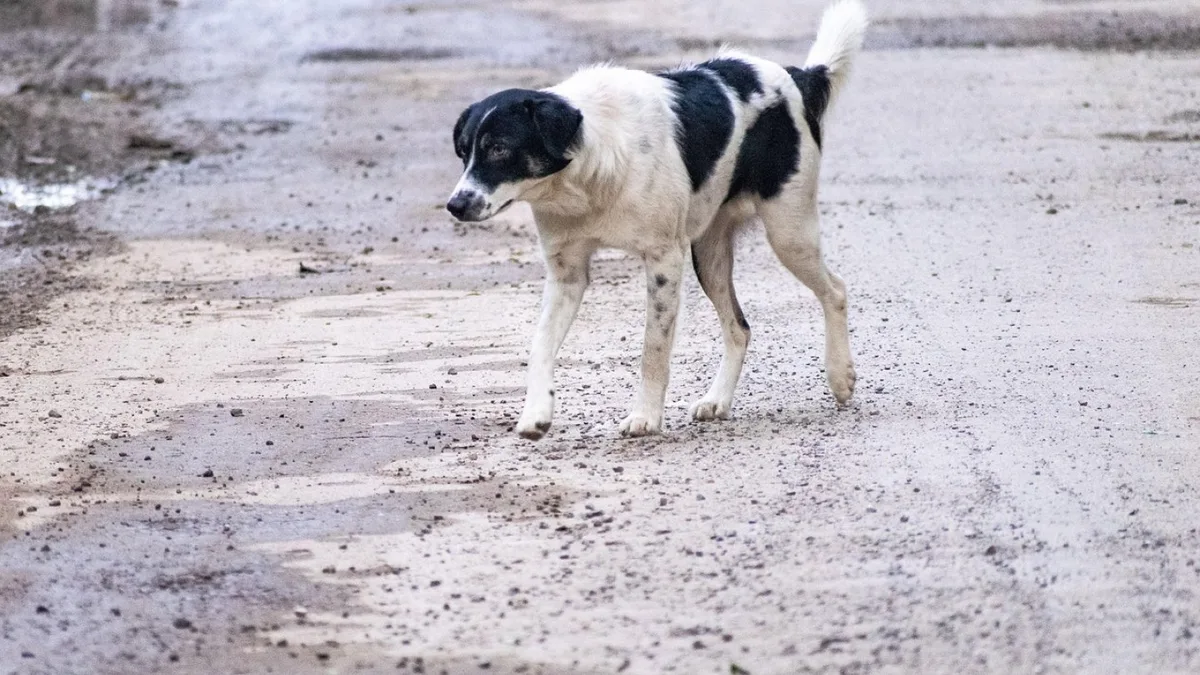
A stray dog ran against heavy traffic on VOAD street in Almaty for approximately 500 meters, weaving between lanes. Drivers skillfully slowed and bypassed the animal, preventing accidents. The incident highlights ongoing risks from stray animals despite Kazakhstan's OSVV management system.
What's Next
Kazakhstan's government is expected to announce potential policy changes in the coming months. It remains uncertain how these changes will align with international recommendations.
2 sources
Kazakhstan reviews stray dog policy amid global strategy shift