Iran closes Strait of Hormuz amid US port blockade
This digest was compiled by AI from multiple sources — links to the originals are below.
Iran has announced the closure of the Strait of Hormuz, a crucial maritime passage, in response to the US blockade of its ports. The move escalates tensions in the region, impacting global oil supply routes. This development occurs even as diplomatic efforts to resolve the conflict continue.
Strait of Hormuz Closure
Iran has declared the closure of the Strait of Hormuz, a vital channel for global oil transportation, in retaliation against the United States' blockade of Iranian ports. The Strait is a strategic point through which approximately 20% of the world's oil passes. Tehran's decision is expected to disrupt international shipping and escalate regional tensions.
Impact on Global Oil Markets
The closure of the Strait of Hormuz is likely to cause significant disruptions in global oil markets. The United States, a major player in the region, has already imposed a blockade on Iranian ports, affecting oil exports. Analysts predict a potential spike in oil prices as nations scramble to secure alternative supply routes.
First Closure Since 1980s
The Strait of Hormuz has been closed for the first time since the 1980s, according to The Sun. Supreme Leader Ayatollah Ali Khamenei threatened to sink US warships in the Persian Gulf, marking a significant escalation in the conflict.
US Helicopter Downing Precedes Closure
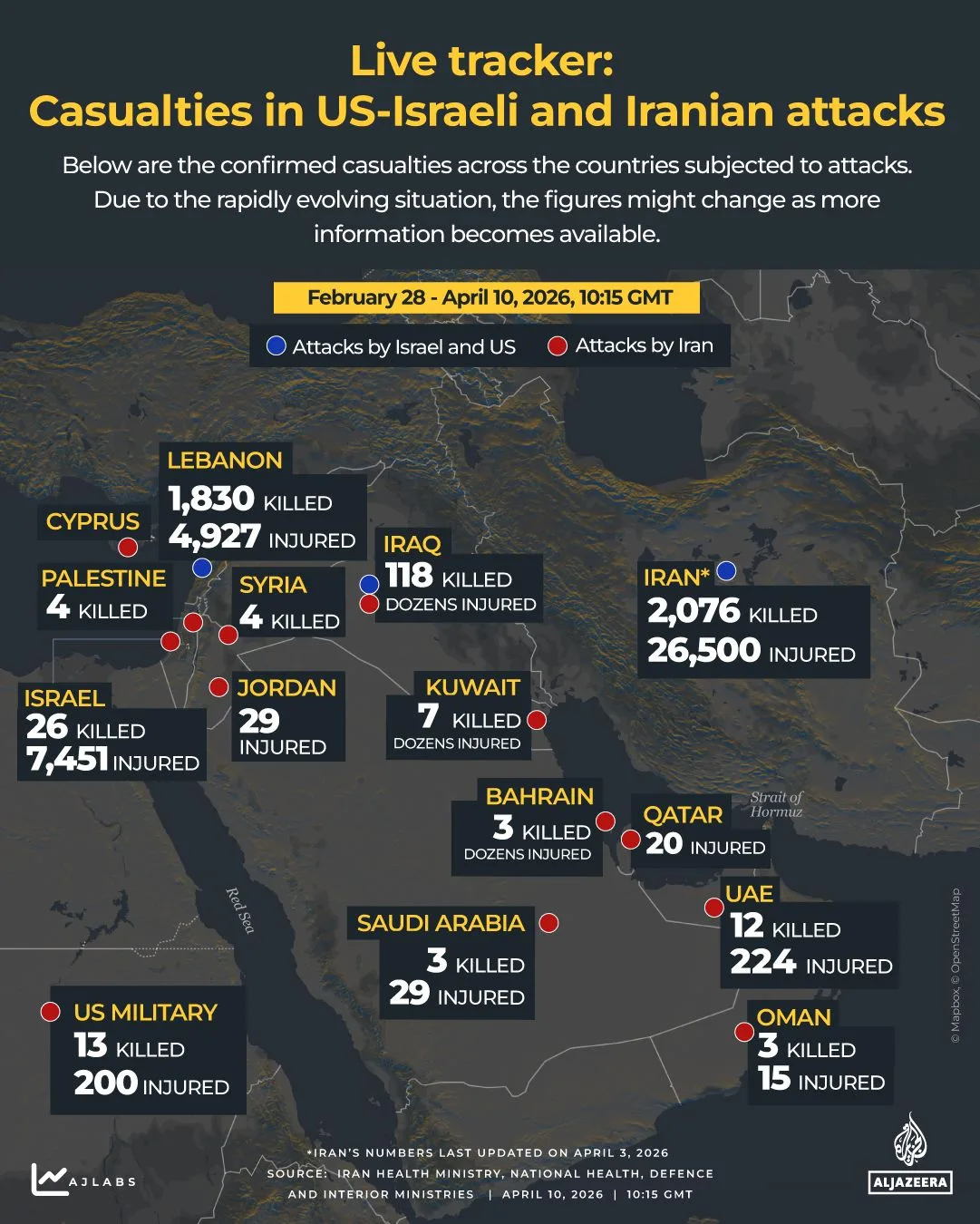
The closure of the Strait of Hormuz follows the downing of a US helicopter, after which Iran and the US carried out strikes against each other. This sequence of events provides context for the escalation.
What's Next
The UN Security Council is set to discuss the situation in an emergency session. It remains unclear whether diplomatic channels can de-escalate the growing tensions.
3 sources
Iran closes Strait of Hormuz amid US port blockade