US Economy Faces Pressure as Iran Conflict Intensifies
This digest was compiled by AI from multiple sources — links to the originals are below.
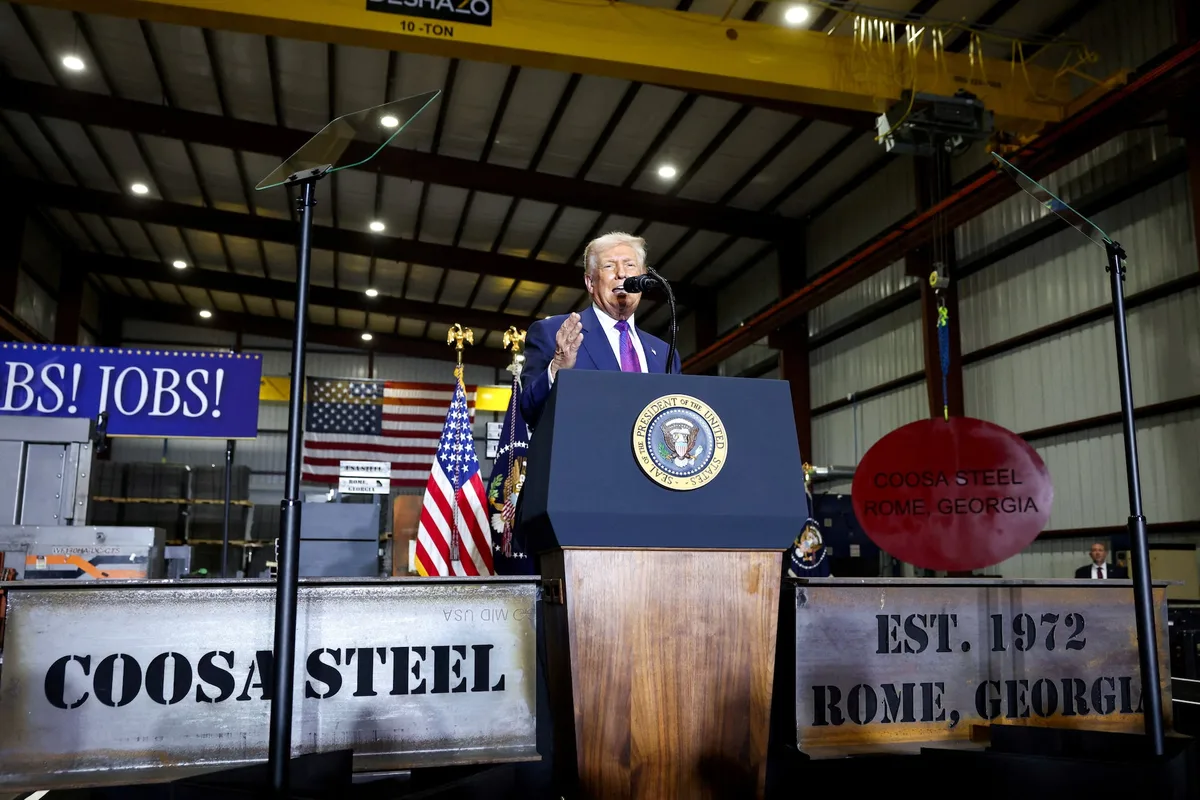
The ongoing conflict with Iran has exposed vulnerabilities in the US economy. Market reactions have been swift, with fluctuations in stock prices and oil markets. This comes even as the US administration seeks to maintain economic stability.
Economic Vulnerabilities
The conflict with Iran has highlighted specific weaknesses in the US economy. Stock markets have experienced volatility, with the Dow Jones Industrial Average dropping by 300 points. Oil prices have also surged, affecting consumer confidence and spending. The Federal Reserve is closely monitoring the situation, considering potential policy adjustments.
Market Reactions
Financial markets have reacted sharply to developments in the Middle East. The S&P 500 saw a 1.5% decline following the escalation of tensions. Energy sector stocks, including ExxonMobil and Chevron, have risen due to increased oil prices. Analysts from Goldman Sachs warn of potential long-term impacts on global trade.
Economic Impact in Iran
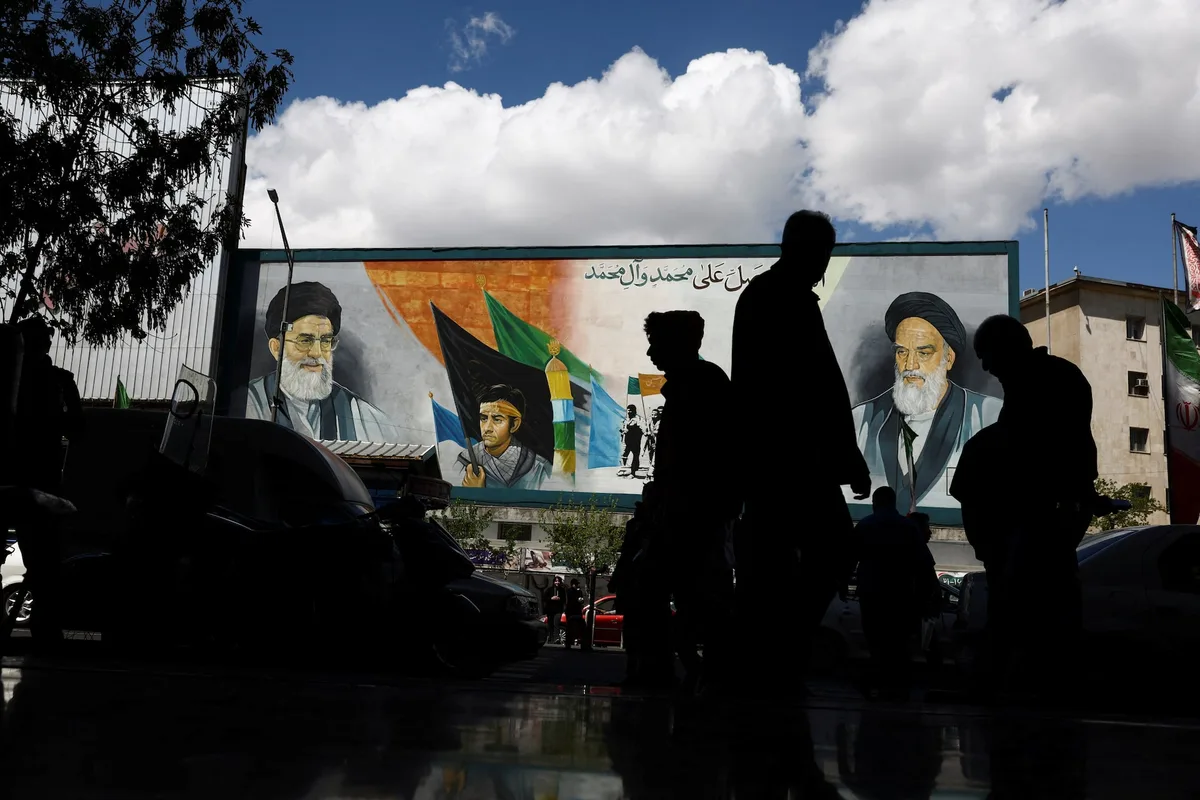
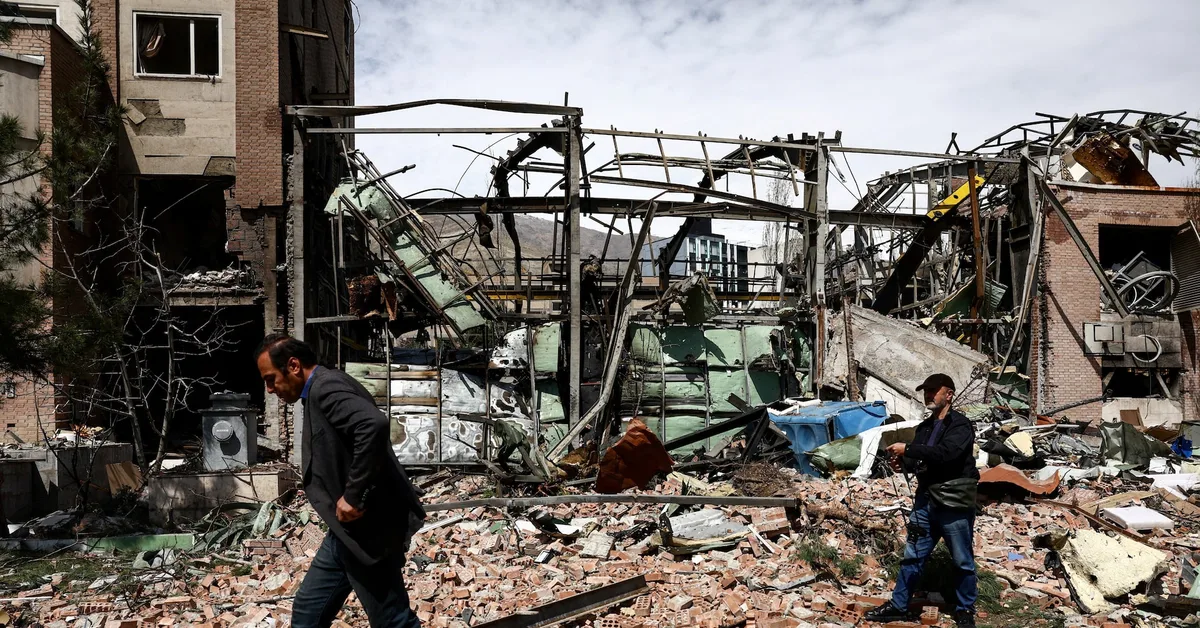
In Iran, the ongoing conflict has led to significant economic challenges, including rising inflation and currency fluctuations. Despite a temporary ceasefire, these issues continue to affect daily life for many Iranians, highlighting the broader economic pressures faced by the country.
US Sanctions on Iran
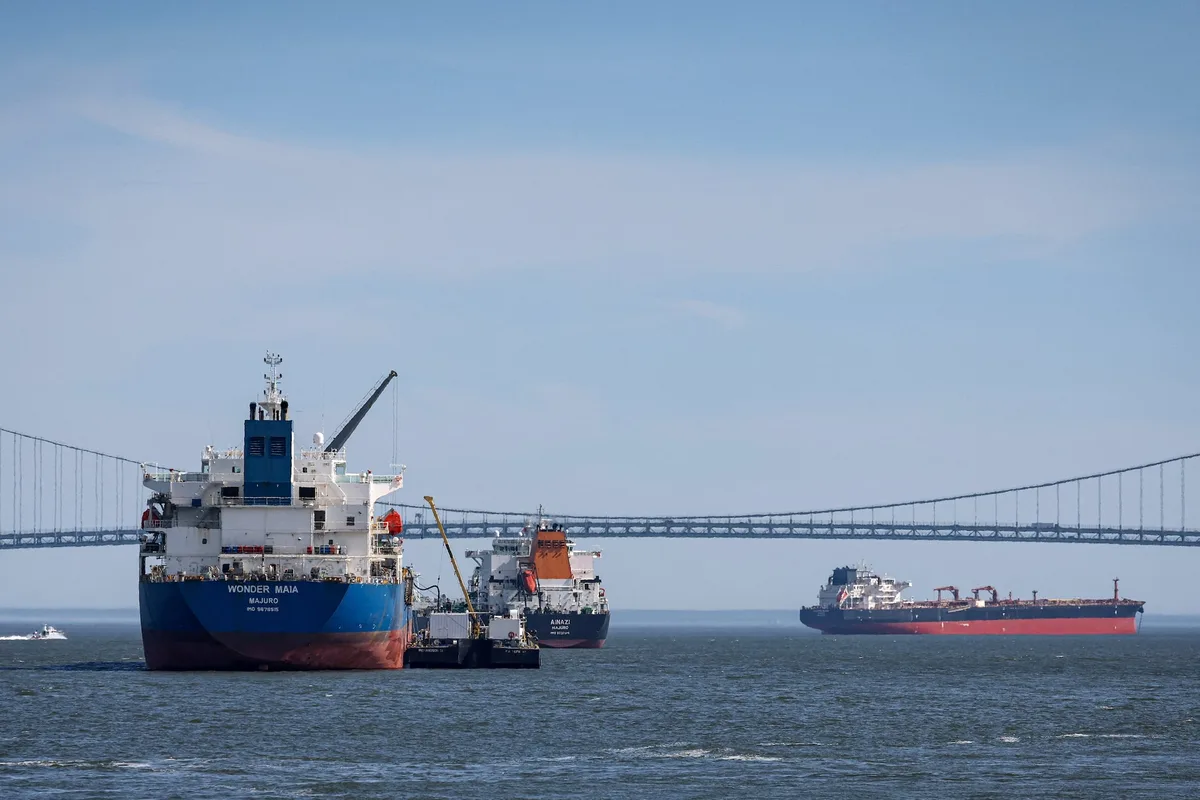
Following the 12-day conflict between Israel and Iran, the United States has imposed additional financial sanctions aimed at reducing Iran's oil export revenues. These measures are part of a broader strategy to limit Tehran's ability to fund its nuclear program and support regional proxies.
What's Next
The Federal Reserve's next meeting is scheduled for later this month. It remains uncertain how ongoing geopolitical tensions will influence their monetary policy decisions.
3 sources
US Economy Faces Pressure as Iran Conflict Intensifies