Strait of Hormuz reopens, oil prices fall amid Fed rate-cut speculation
This digest was compiled by AI from multiple sources — links to the originals are below.
The Strait of Hormuz has reopened, leading to a decrease in oil prices. This development may influence the Federal Reserve's considerations on rate cuts. The situation unfolds even as global economic uncertainties persist.
Strait of Hormuz Reopening
The Strait of Hormuz, a critical chokepoint for global oil shipments, has been reopened. This reopening has resulted in a notable decrease in oil prices, which had previously surged due to the closure. The strait handles approximately 20% of the world's oil trade, making its operational status crucial for market stability. The reopening was confirmed by maritime authorities, easing concerns over prolonged disruptions.
Federal Reserve Rate-Cut Speculation
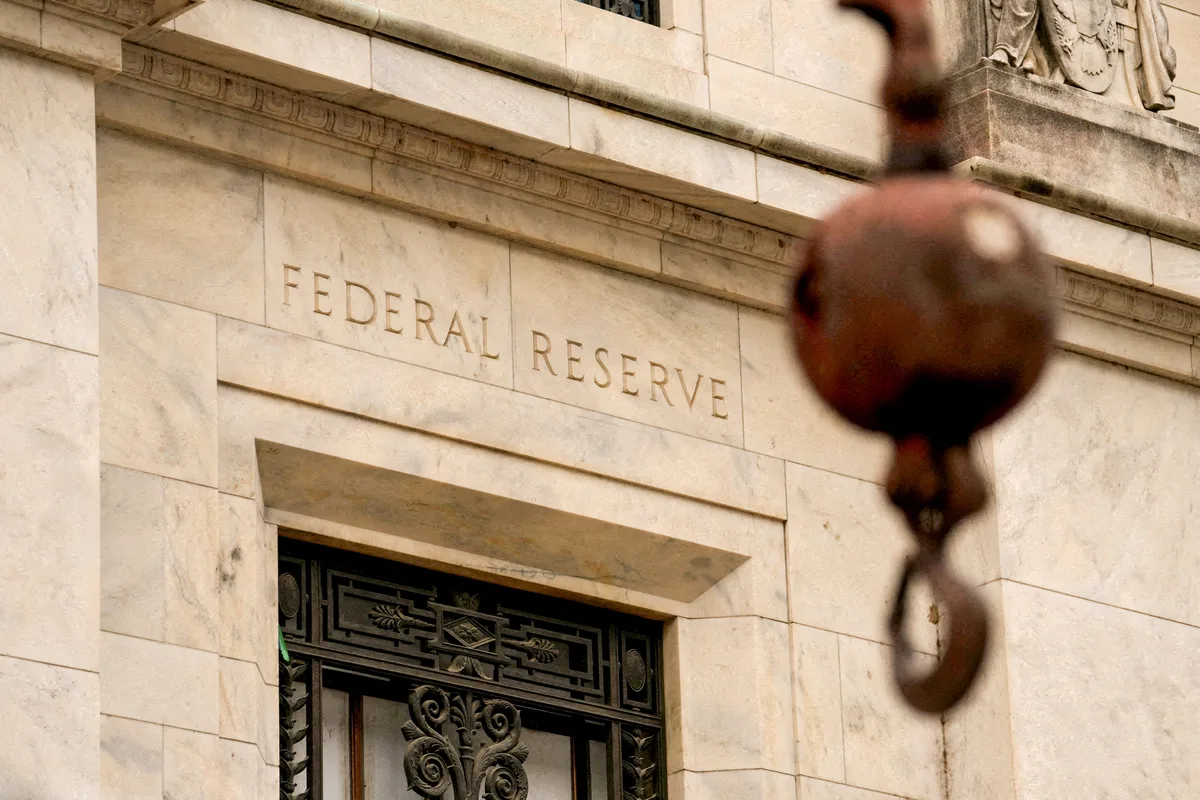
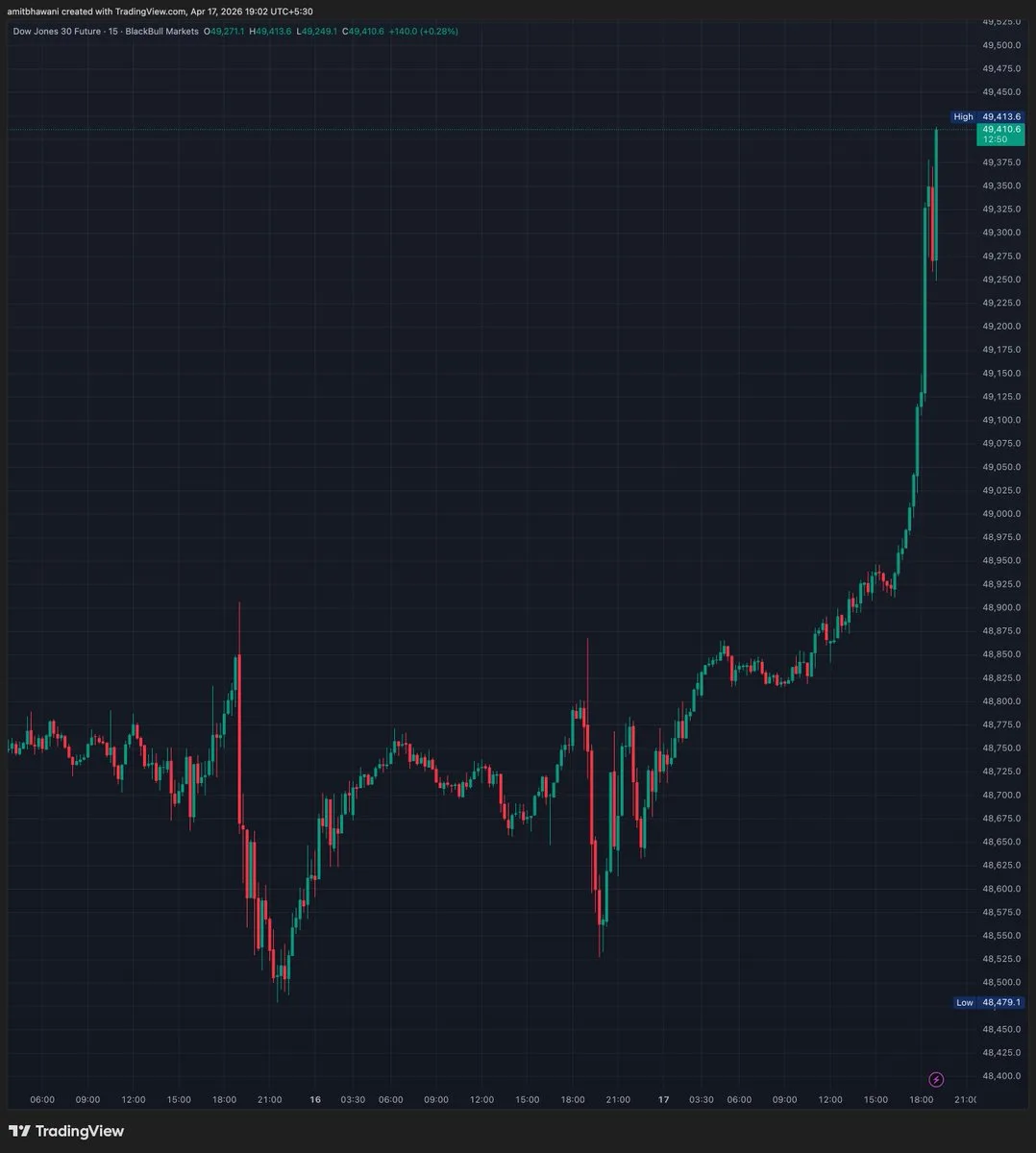
The decline in oil prices following the reopening of the Strait of Hormuz is prompting speculation about the Federal Reserve's next moves. Analysts suggest that lower energy costs could provide the Fed with more flexibility in considering rate cuts. The Federal Reserve has been closely monitoring economic indicators, including inflation and employment data, to guide its monetary policy decisions. This development adds a new dimension to the ongoing debate over the timing and scale of potential rate adjustments.
What's Next
The Federal Reserve's next policy meeting is scheduled for later this month. It remains uncertain how the recent changes in oil prices will influence their decision-making process.
1 source
Strait of Hormuz reopens, oil prices fall amid Fed rate-cut speculation