Iran Conflict Disrupts Oil Pricing Amid Market Volatility
This digest was compiled by AI from multiple sources — links to the originals are below.

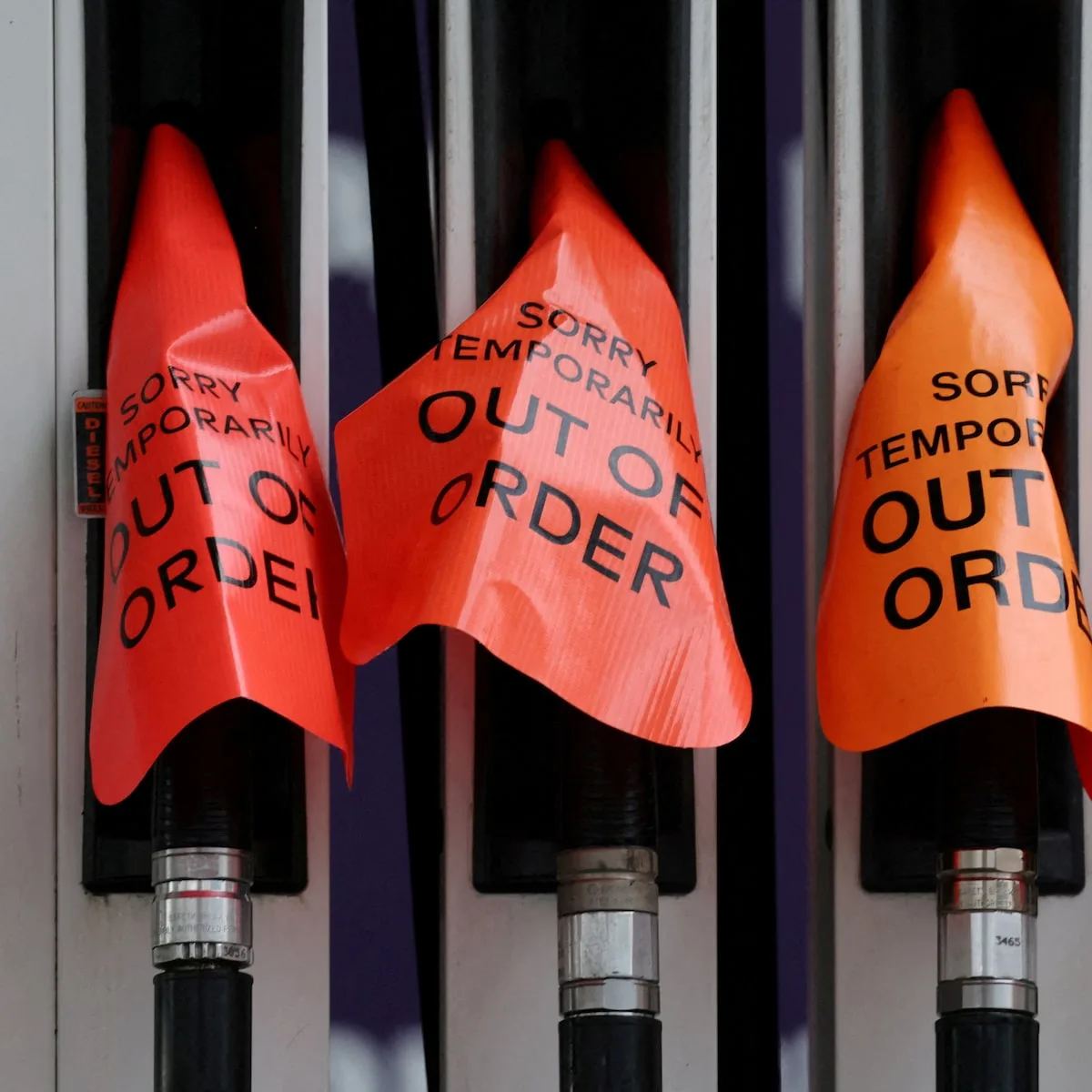
Iran's ongoing conflict has disrupted global oil pricing, causing significant market volatility. Traders are struggling to establish a stable price benchmark. This disruption occurs even as geopolitical tensions remain high.
Market Volatility
The conflict in Iran has led to significant fluctuations in oil prices, impacting global markets. Traders and analysts are finding it challenging to predict stable pricing due to the ongoing instability. The Brent crude benchmark has seen swings of up to 10% in recent weeks, according to market data. Major oil companies, including ExxonMobil and BP, are closely monitoring the situation. The uncertainty has also affected currency markets, with the US dollar experiencing volatility.
Geopolitical Tensions
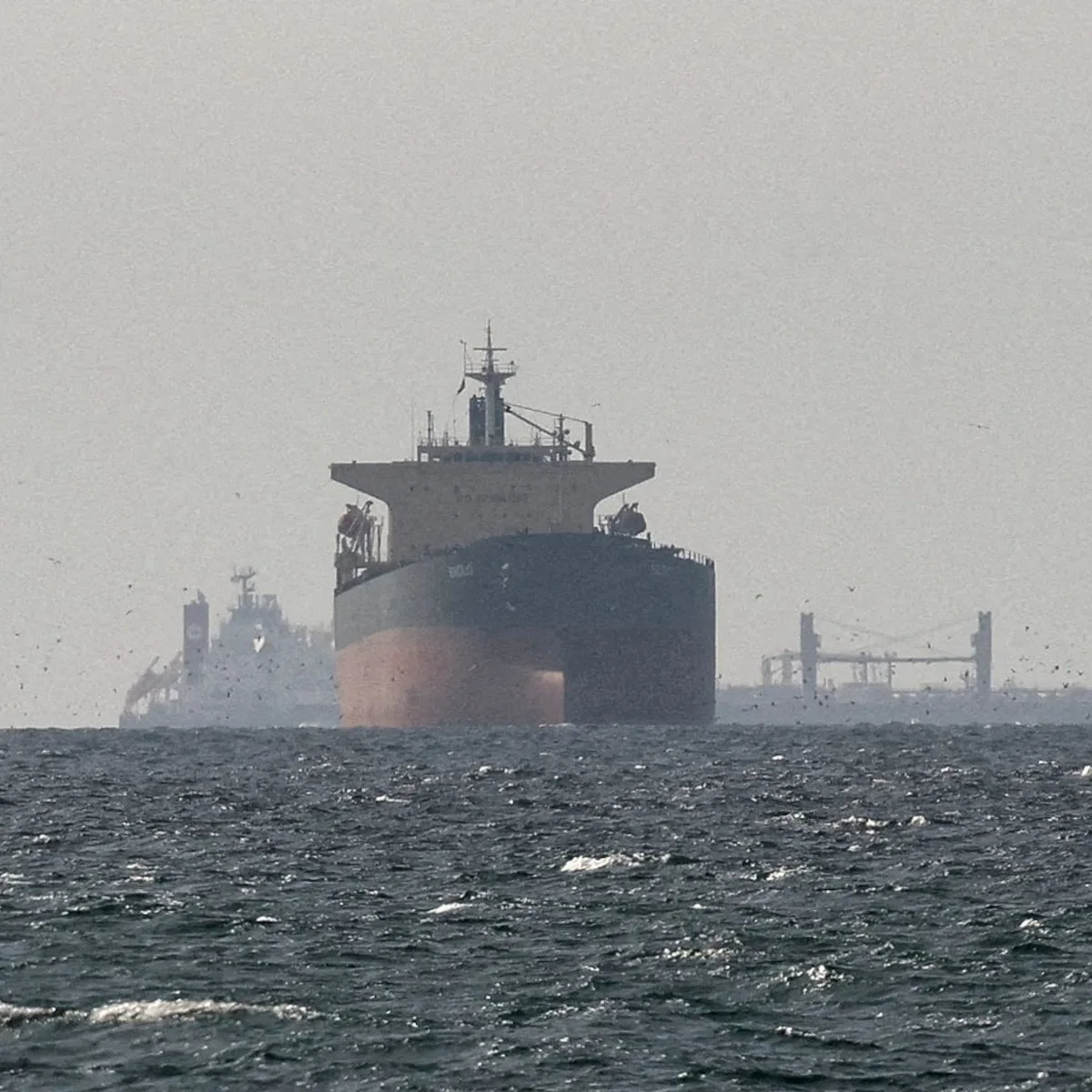
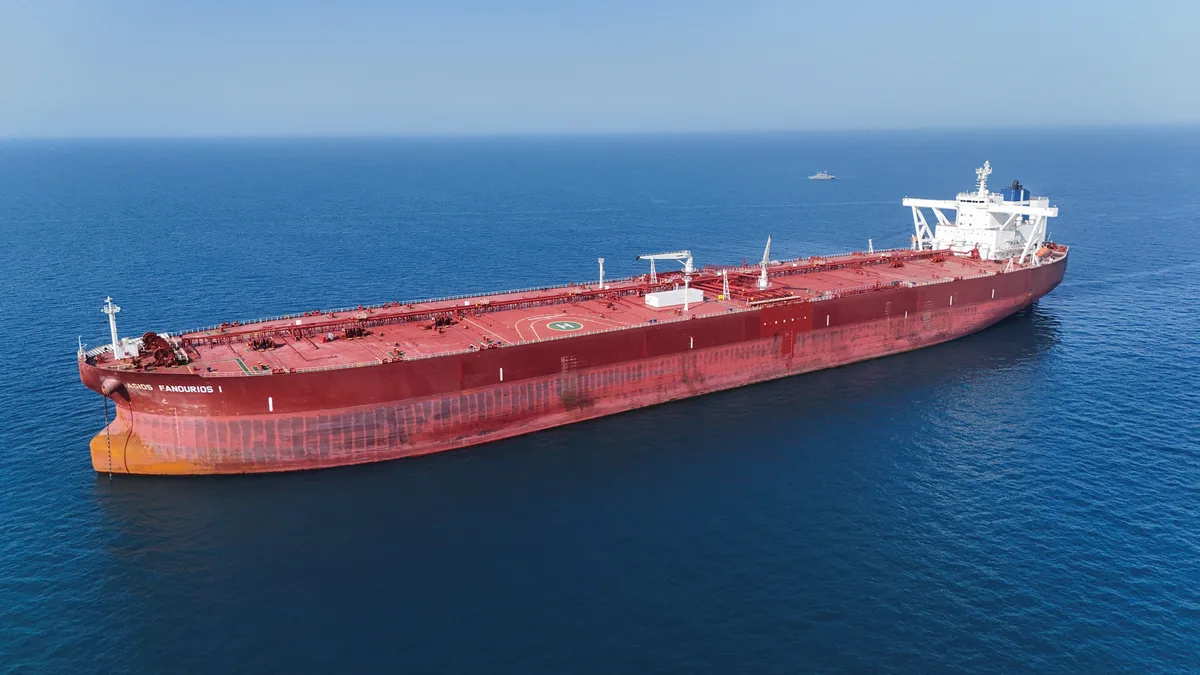
The conflict has heightened geopolitical tensions, influencing oil supply routes and pricing. The Strait of Hormuz, a critical chokepoint for global oil shipments, remains a focal point of concern. Iran's actions have prompted responses from the United States and European Union, which are considering further sanctions. OPEC members are also assessing potential impacts on production quotas. The International Energy Agency has warned of possible disruptions to supply chains if tensions escalate further.
What's Next
OPEC is scheduled to meet next week to discuss production strategies. It remains unclear how long the market will remain unstable amid ongoing geopolitical tensions.
1 source
Iran Conflict Disrupts Oil Pricing Amid Market Volatility