AI Designs Proteins to Recognize Compounds, Published in Nature Communications
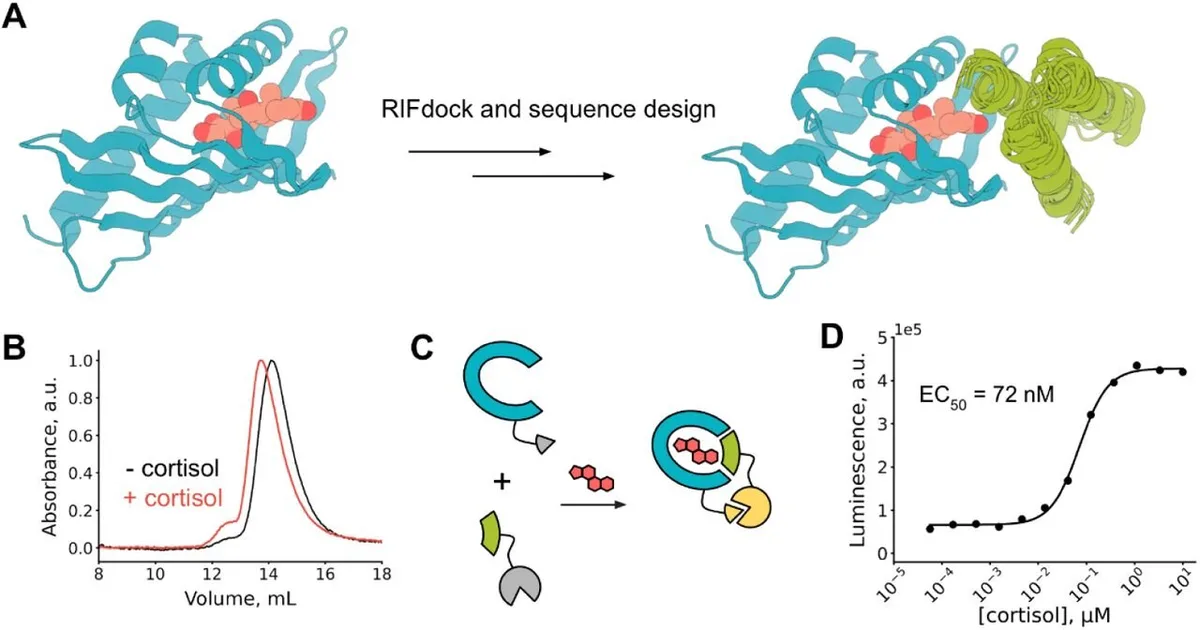
Professor Gyu Rie Lee and Professor David Baker have successfully designed artificial proteins that recognize specific compounds using AI. The research has been published in Nature Communications. This development marks a significant step in creating functional biosensors.
AI-Driven Protein Design
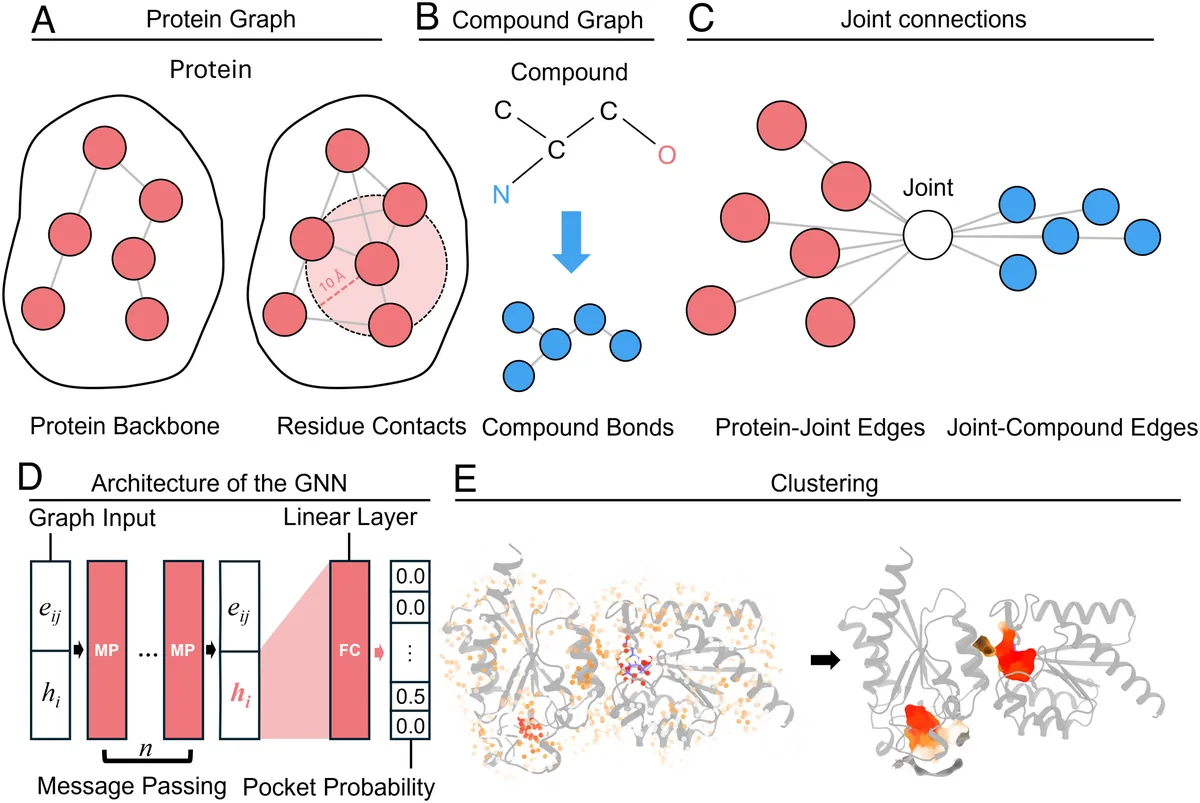
Researchers from the Department of Biological Sciences, led by Professor Gyu Rie Lee, collaborated with Professor David Baker to design proteins from scratch using artificial intelligence. The study, featured in Nature Communications, highlights the use of AI in creating proteins that can selectively recognize specific compounds. This approach allows for the development of proteins as functional biosensors, offering potential applications in various fields.
Publication and Implications
The research findings have been published in the scientific journal Nature Communications, marking a significant advancement in biotechnology. The study demonstrates the potential of AI in protein engineering, which could revolutionize the development of biosensors. The collaboration between the two professors underscores the interdisciplinary nature of modern scientific research.
What's Next
The next phase of research will focus on testing these proteins in real-world applications. It remains unclear how quickly these developments will be adopted by industry.
1 source
AI Designs Proteins to Recognize Compounds, Published in Nature Communications