Iran restricts Hormuz Strait passage, charges fees amid Middle East ceasefire
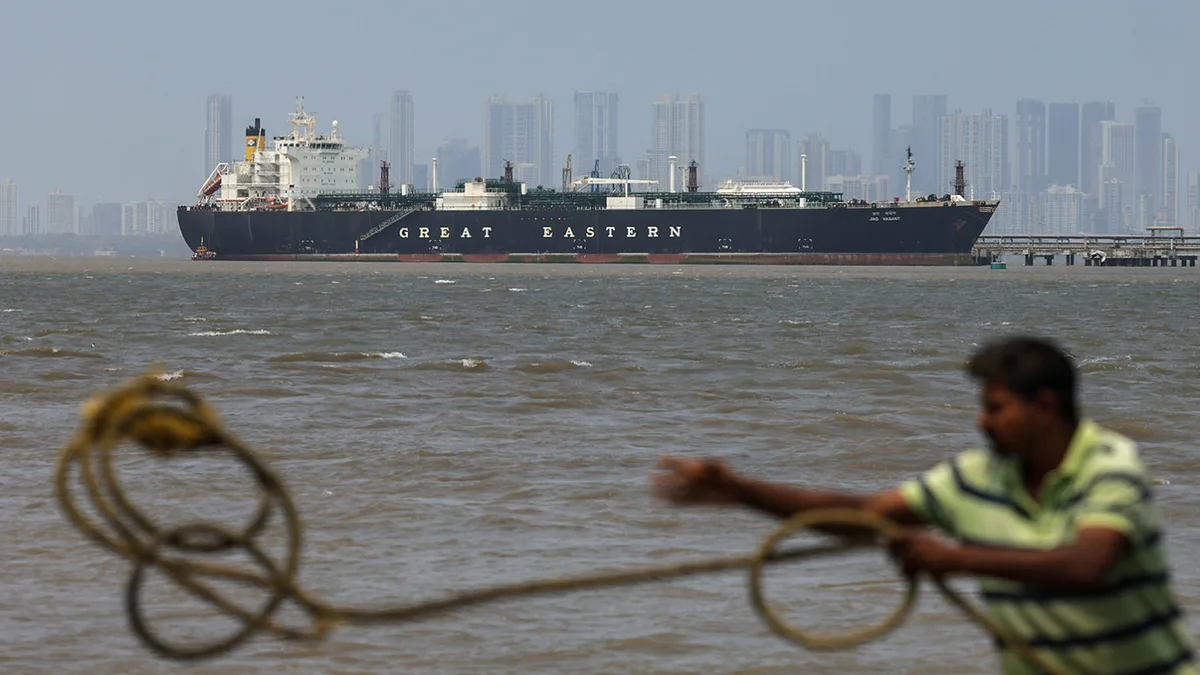
Iran has taken control of the Hormuz Strait, allowing only a dozen ships daily for a fee. This follows a two-week ceasefire in the Middle East. The move affects global oil and LNG exports.
Iran's Control Measures
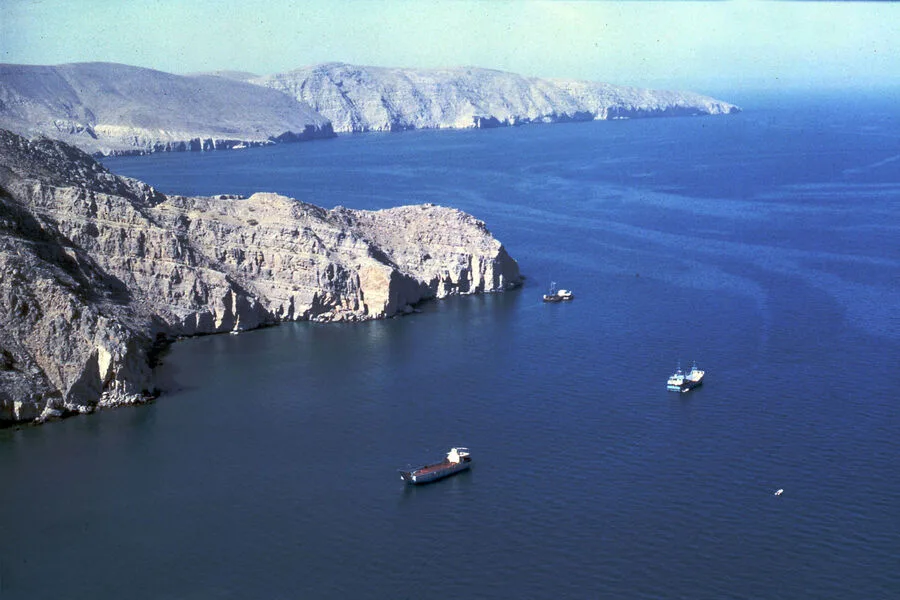
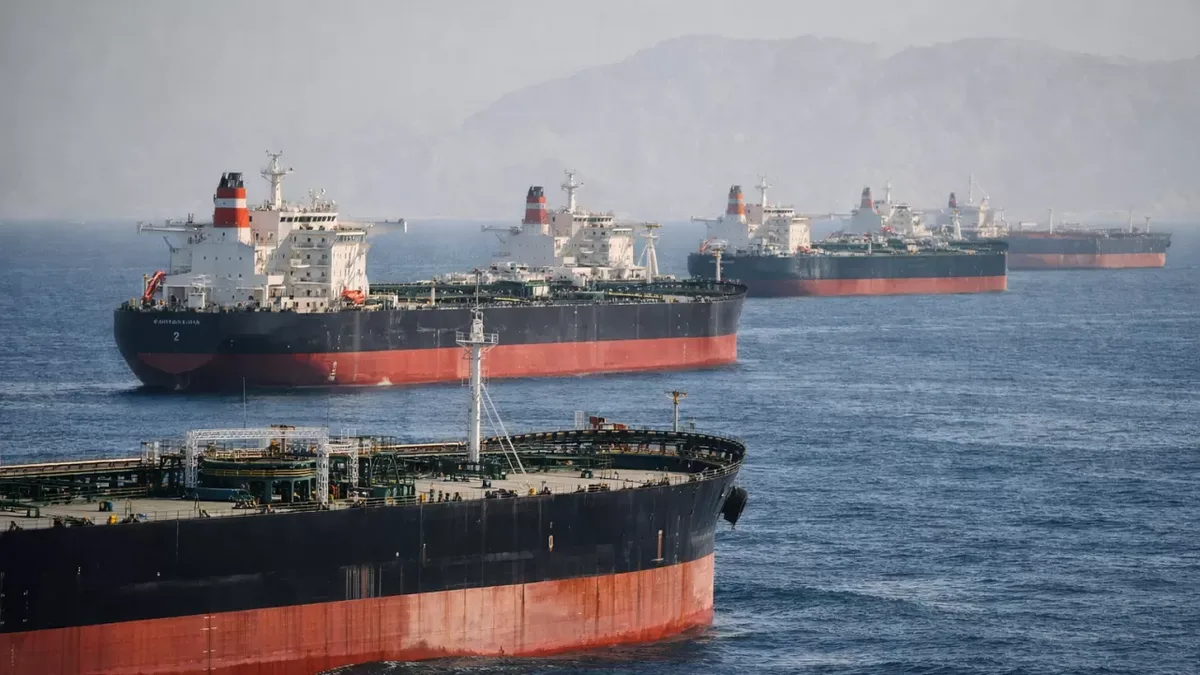
Iran has announced that it will regulate the passage of ships through the Hormuz Strait, a critical chokepoint for global oil and LNG exports. The country plans to allow approximately twelve vessels per day, charging a fee for passage. This decision comes amid a temporary ceasefire in the Middle East, which has shifted control dynamics in the region. The Hormuz Strait previously facilitated the transport of about 20% of the world's oil supply.
Impact on Global Energy Markets
The restriction imposed by Iran on the Hormuz Strait is expected to have significant implications for global energy markets. The Strait is a vital corridor for oil and LNG shipments, and any disruption could lead to increased volatility in energy prices. Countries reliant on these exports may face supply challenges, while energy companies might need to seek alternative routes. The situation underscores the strategic importance of the Strait in international trade.
What's Next
The international community is closely monitoring the situation for any changes in Iran's policy. It remains uncertain how long the restrictions will last or if further negotiations will alter the current arrangement.
1 source
Iran restricts Hormuz Strait passage, charges fees amid Middle East ceasefire