Scientists link CSE protein to Alzheimer's protection in mice study
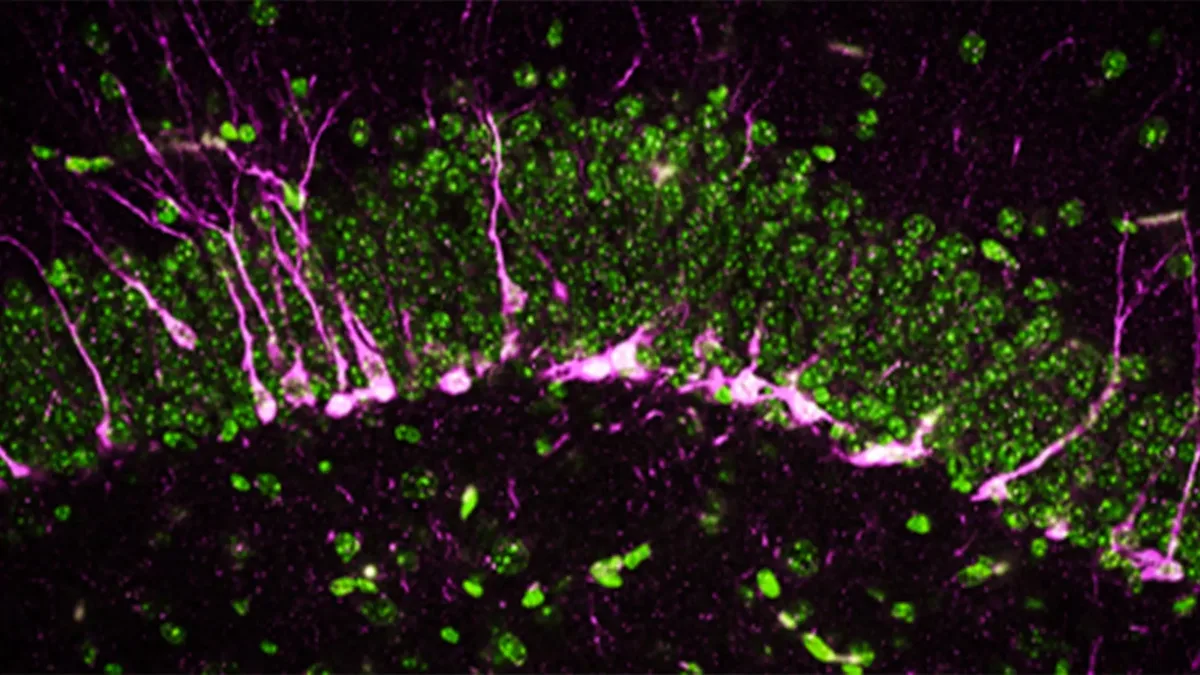
Researchers have identified the CSE protein as a key factor in Alzheimer's disease protection. Removing CSE in mice resulted in memory loss and brain damage. The study suggests hydrogen sulfide gas may support brain health despite its reputation.
CSE Protein and Brain Health
Scientists discovered that the CSE protein is crucial for producing hydrogen sulfide gas in the brain. In genetically modified mice, the absence of CSE led to significant memory loss and brain damage. The study, conducted by a team of researchers, highlighted the importance of this gas in maintaining the blood-brain barrier. The findings indicate that hydrogen sulfide, often associated with a 'rotten egg' smell, could play a protective role in neurodegenerative diseases.
Experimental Results in Mice
The research involved genetically engineered mice lacking the CSE protein. These mice exhibited classic Alzheimer's symptoms, including weakened blood-brain barriers and reduced neuron formation. The study, published by ScienceDaily, suggests that regulated hydrogen sulfide production is vital for cognitive function. The implications of these findings could influence future Alzheimer's treatments and prevention strategies.
What's Next
Further research is needed to explore hydrogen sulfide's role in human brain health. It remains uncertain how these findings will translate to clinical applications.
1 source
Scientists link CSE protein to Alzheimer's protection in mice study