University of Manchester links traffic heat to urban temperature rise
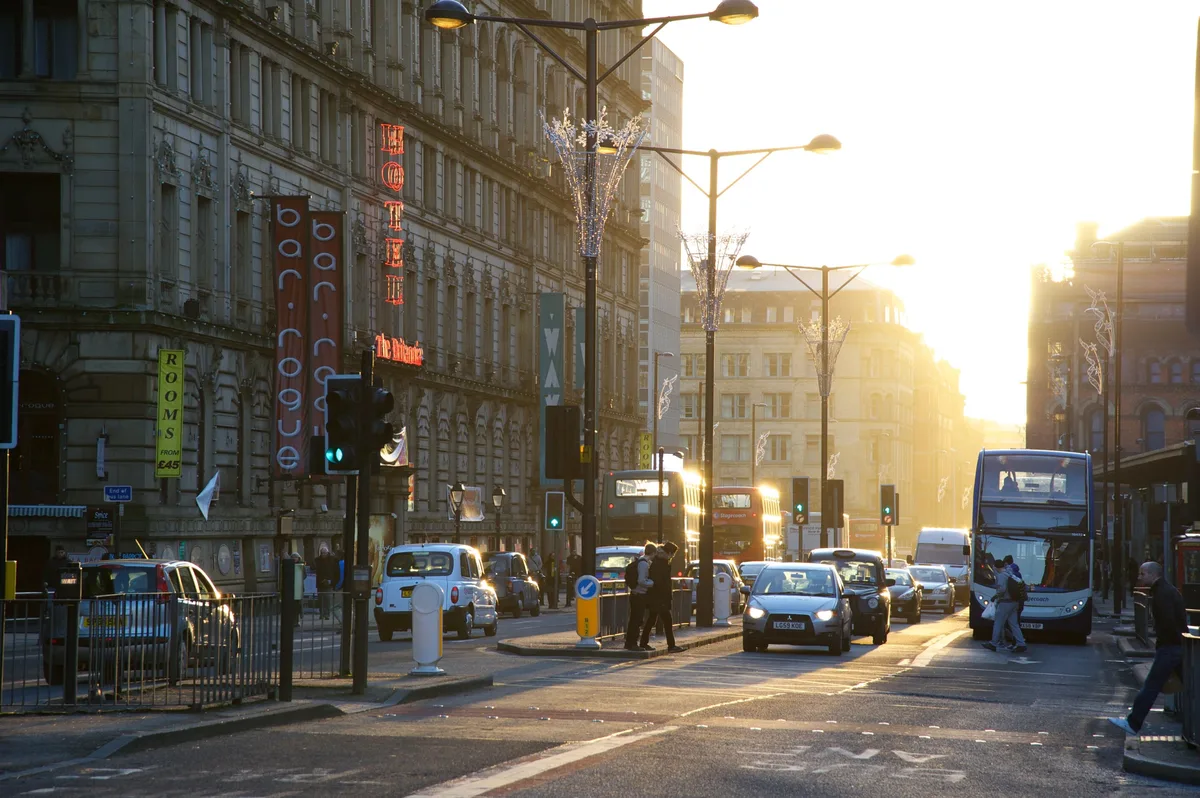
Scientists at The University of Manchester have developed a method to quantify traffic's impact on urban temperatures. The study reveals that vehicle use significantly contributes to city heat. This finding emerges as cities worldwide grapple with climate change challenges.
New Measurement Method
The University of Manchester scientists created a physics-based module to measure traffic heat impact. This module integrates with the Community Earth System Model (CESM), a widely used climate prediction tool. The CESM now includes urban traffic heat as a variable, enhancing its predictive accuracy. Researchers aim to provide more precise data for urban planners and policymakers. This development could influence future urban climate strategies.
Implications for Urban Planning
The study's findings suggest significant implications for urban planning and climate policy. Cities like London and New York, facing rising temperatures, may need to adjust infrastructure plans. The data could inform decisions on traffic management and urban cooling strategies. The University of Manchester's research adds to the growing body of evidence on human impact on urban climates. Policymakers might leverage these insights to mitigate urban heat effects.
What's Next
The research team plans further studies to refine their model. It remains uncertain how quickly cities will adopt these findings into policy.
1 source
University of Manchester links traffic heat to urban temperature rise