Nature urges regulation of brain organoids amid ethical concerns
Nature calls for regulation of brain organoids published on April 8, 2026. The journal highlights potential benefits for research and medicine. This comes amid growing ethical concerns.
Potential Benefits of Organoids
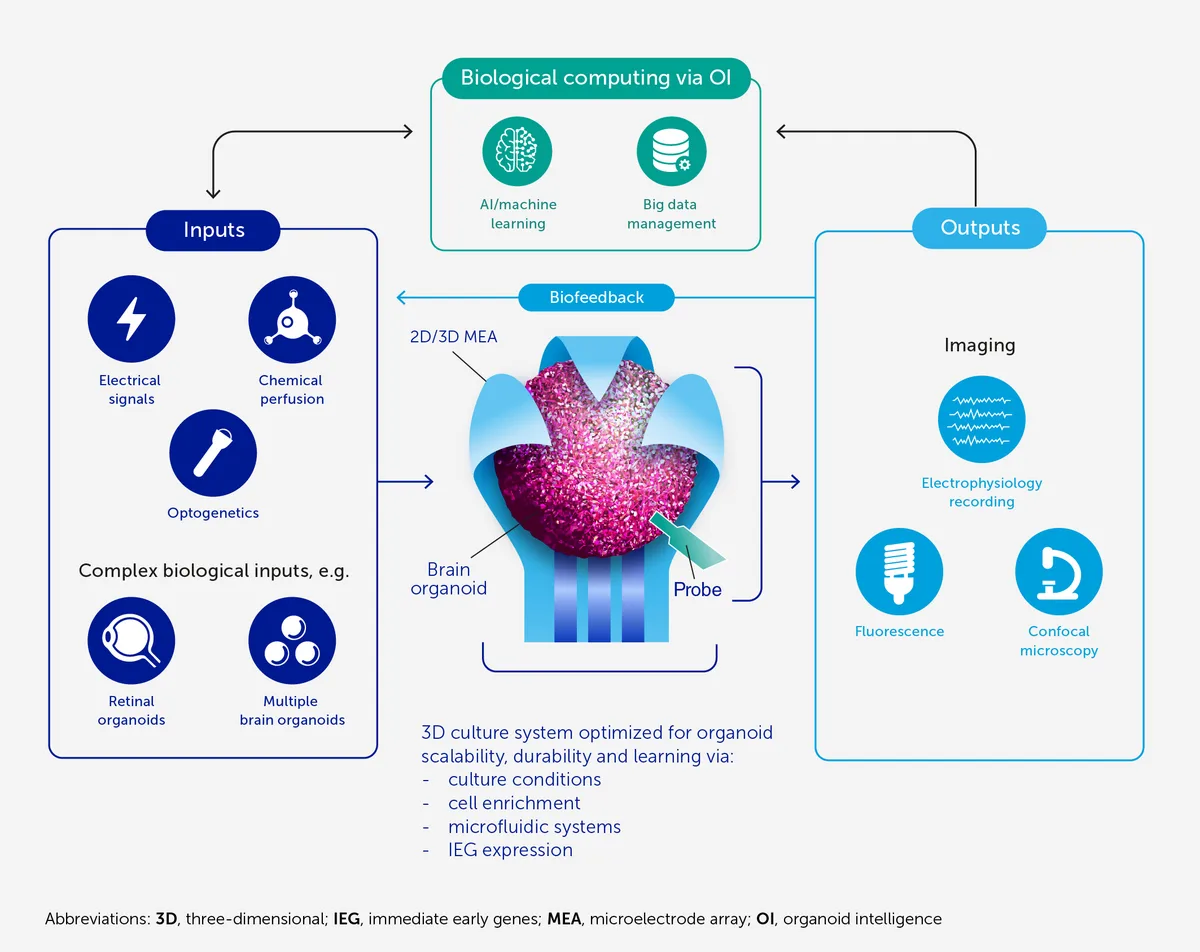
Brain organoids, miniature lab-grown versions of human brains, offer significant potential for medical research. They can be used to study neurological diseases and test drug responses. Nature emphasizes their transformative impact on understanding brain development. The technology is being explored by institutions like Harvard University and the Max Planck Institute. However, the lack of regulation raises ethical concerns.
Ethical and Regulatory Challenges
The rapid development of brain organoids has outpaced existing ethical guidelines. Concerns include the potential for consciousness in advanced organoids. Regulatory bodies like the European Medicines Agency are urged to establish clear boundaries. Nature argues for international cooperation in setting standards. The debate involves scientists, ethicists, and policymakers globally.
What's Next
The UN is expected to discuss organoid regulation at an upcoming conference. It remains unclear how quickly international guidelines will be established.
2 sources
Nature urges regulation of brain organoids amid ethical concerns