Graphene aerogels propelled by lasers in microgravity test
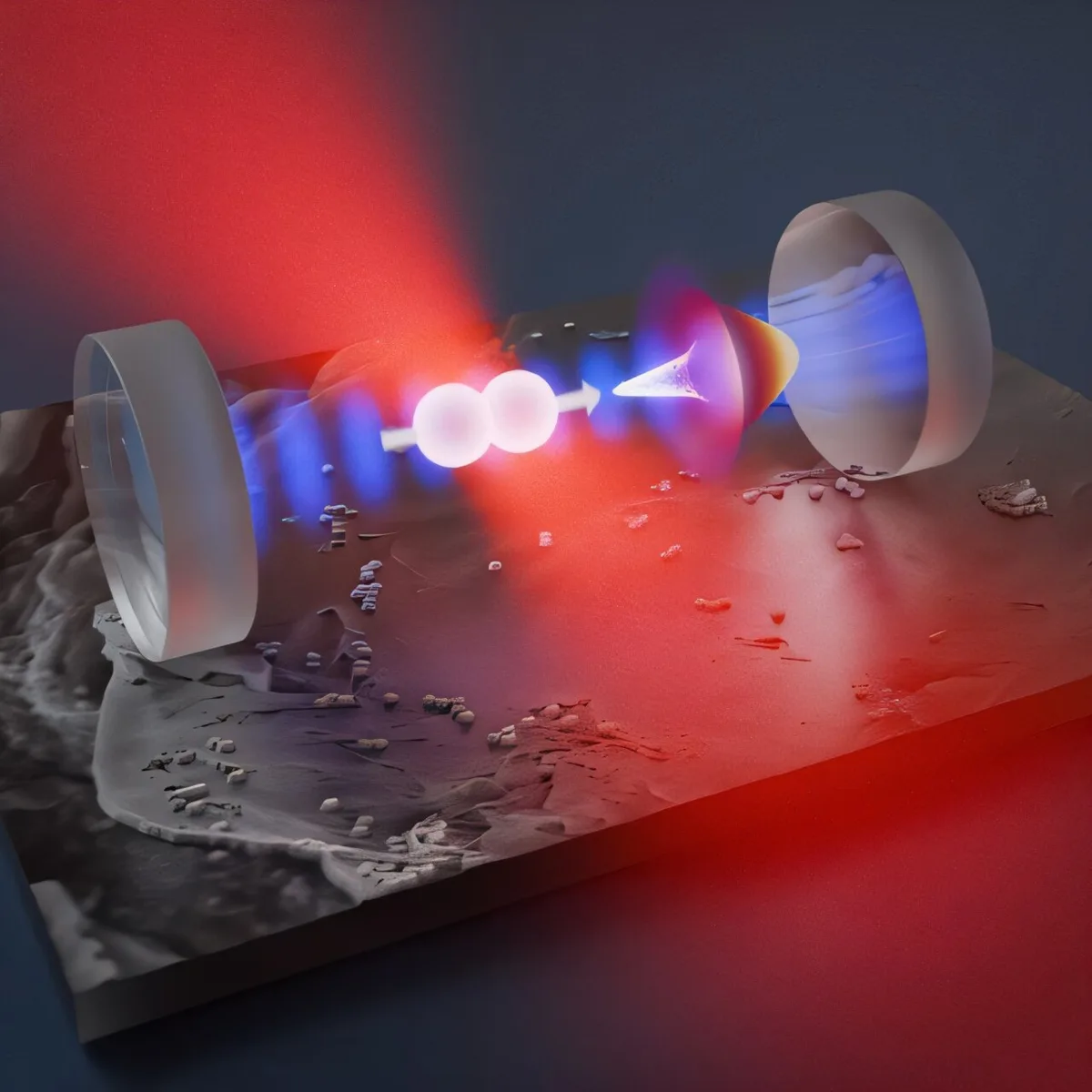
Researchers successfully propelled graphene aerogels using lasers during a microgravity test. The experiment demonstrated potential applications for space propulsion. This development occurs as interest in advanced space technologies grows.
Microgravity Experiment
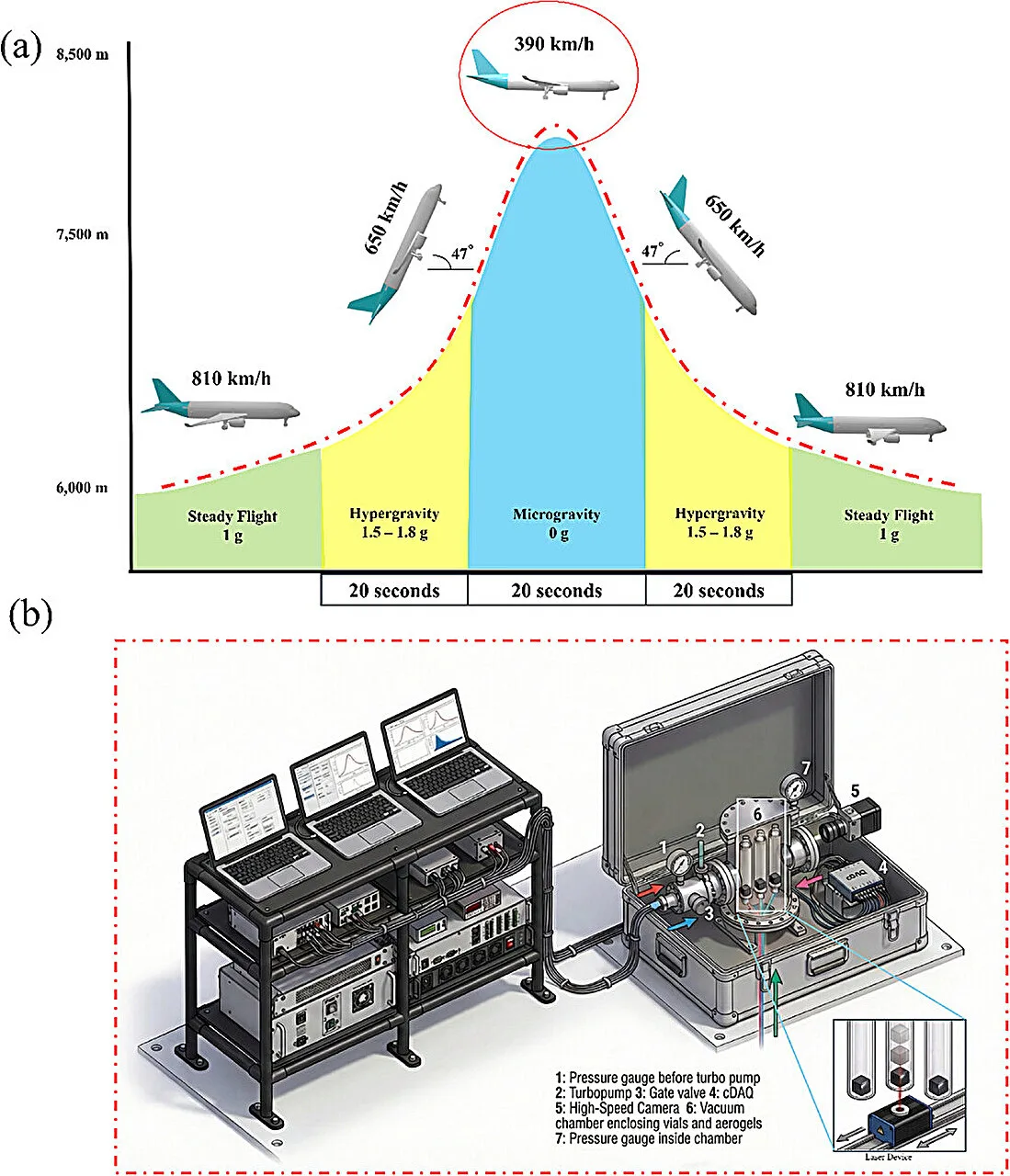
The test was conducted aboard a parabolic flight, simulating microgravity conditions. Researchers from the University of Cambridge and the European Space Agency collaborated on the project. The experiment aimed to assess the feasibility of using graphene aerogels for propulsion in space. Graphene's lightweight and strong properties make it a candidate for such applications. The test showed that lasers can effectively propel these aerogels, opening new possibilities for satellite positioning.
Potential Space Applications
Graphene aerogels could be used to steer solar sails and adjust satellite positions. The European Space Agency is exploring these applications as part of its advanced propulsion research. Lasers provide a non-contact method of propulsion, reducing wear and tear on spacecraft components. The success of this test could lead to more efficient and sustainable space missions. As space exploration expands, such technologies are becoming increasingly relevant.
What's Next
Further tests are planned to refine the technology for practical use. It remains unclear how soon graphene aerogels will be integrated into active space missions.
1 source
Graphene aerogels propelled by lasers in microgravity test