University of Tübingen identifies ancient quarrying in South Africa, challenging previous beliefs
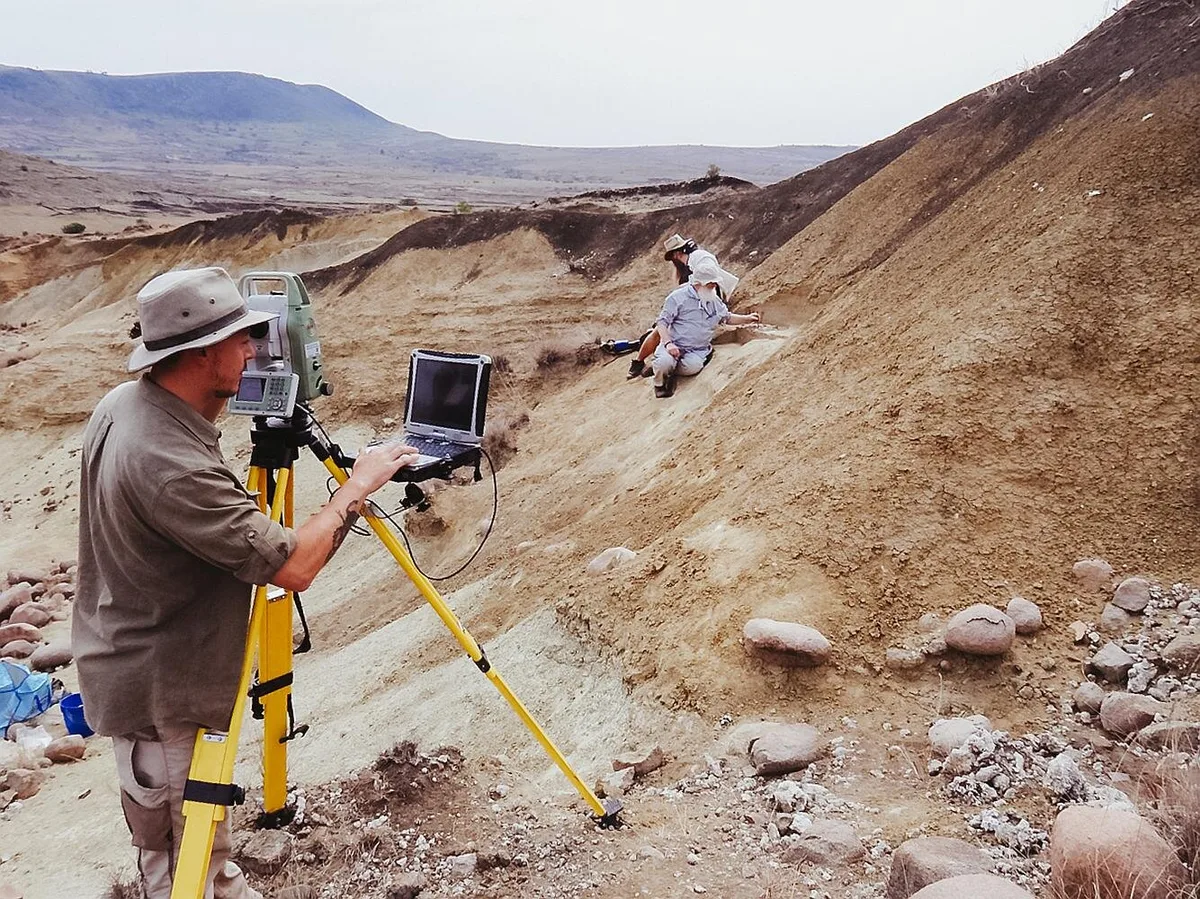
The University of Tübingen-led team discovered evidence of stone quarrying by early humans in South Africa dating back 220,000 years. This finding challenges the view that Paleolithic hunter-gatherers collected materials incidentally. The study was published in Nature Communications.
Jojosi Site Discovery
Researchers from the University of Tübingen, along with international collaborators, have identified evidence of early human quarrying activities at the Jojosi site in South Africa. The site, dated to 220,000 years ago, shows that early humans specifically sought out rocks for tool-making. This challenges the prevailing belief that raw materials were collected incidentally during other activities.
Implications for Archaeology
The findings at Jojosi suggest that early humans had a more strategic approach to resource gathering than previously thought. The study, published in Nature Communications, could reshape understanding of Paleolithic behavior. The research team included scientists from multiple countries, emphasizing the global interest in early human activities.
What's Next
Further excavations at Jojosi are planned to uncover more evidence of early human behavior. It remains uncertain how these findings will influence current archaeological theories.
1 source
University of Tübingen identifies ancient quarrying in South Africa, challenging previous beliefs