Scientists identify receptor GPR133 to boost bone density in mice
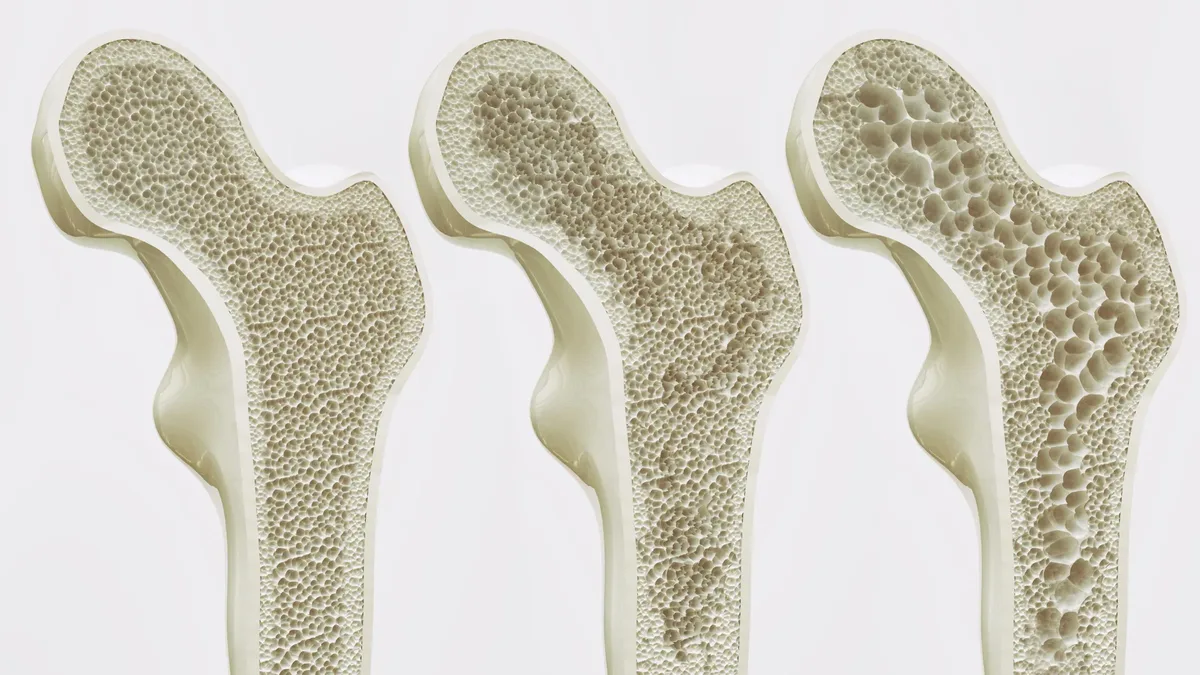
Scientists have discovered that activating the receptor GPR133 with compound AP503 increases bone density in mice. This breakthrough could lead to new treatments for osteoporosis. The finding offers hope even as global aging populations face rising bone health challenges.
Receptor GPR133 Discovery
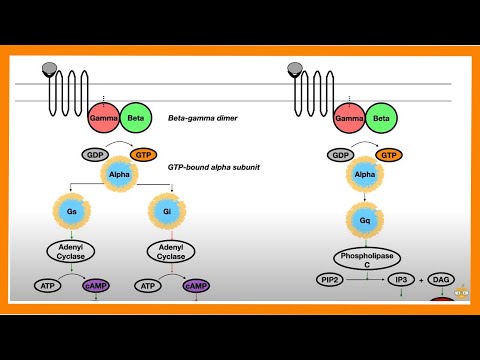
Researchers have identified GPR133 as a crucial receptor influencing bone strength. The study, conducted by a team of scientists, revealed that activating this receptor can significantly increase bone density. The discovery was made using a compound named AP503, which was tested on mice. This receptor's role in bone health was previously unknown, marking a significant advancement in osteoporosis research.
Potential Treatment Implications
The activation of GPR133 with AP503 could pave the way for new osteoporosis treatments. Current treatments primarily focus on preventing bone loss, but this discovery suggests the possibility of rebuilding weakened bones. Millions of people worldwide, particularly in aging populations, could benefit from such advancements. The research highlights the potential for innovative therapies that address both prevention and restoration of bone health.
What's Next
Further studies are needed to determine the effectiveness of AP503 in humans. It remains uncertain how quickly such treatments could be developed and approved for clinical use.
1 source
Scientists identify receptor GPR133 to boost bone density in mice