University of Mississippi tests 3D-printed cancer drug carriers in tumor treatment
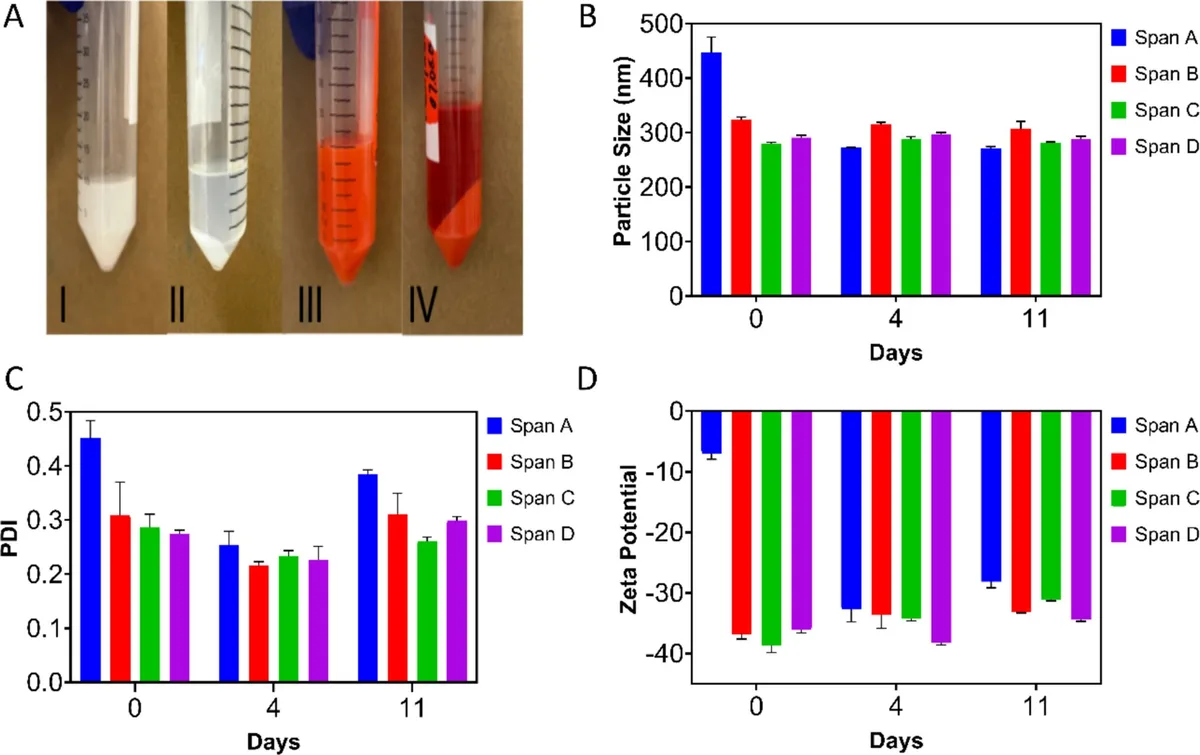
Researchers at the University of Mississippi have tested 3D-printed carriers for cancer drugs. These carriers aim to deliver medication directly to tumors, potentially reducing side effects. The study was published in Pharmaceutical Research.
3D-Printed Drug Carriers
The University of Mississippi team developed 3D-printed spanlastics to transport cancer-fighting drugs. These carriers can be implanted directly at tumor sites, potentially enhancing treatment efficacy. The study, featured in Pharmaceutical Research, highlights the ability of these carriers to target tumors specifically, minimizing systemic exposure.
Potential Benefits and Challenges
The research suggests that using 3D-printed carriers could significantly reduce the side effects associated with traditional cancer treatments. By focusing drug delivery on tumor sites, patients may experience fewer adverse reactions. However, the implementation of this technology requires further clinical trials and regulatory approval before it can become widely available.
What's Next
Further clinical trials are necessary to validate the efficacy of these 3D-printed carriers. It remains uncertain how quickly this technology can be integrated into standard cancer treatment protocols.
1 source
University of Mississippi tests 3D-printed cancer drug carriers in tumor treatment