GEN-1 robotics model achieves 99% reliability in task execution
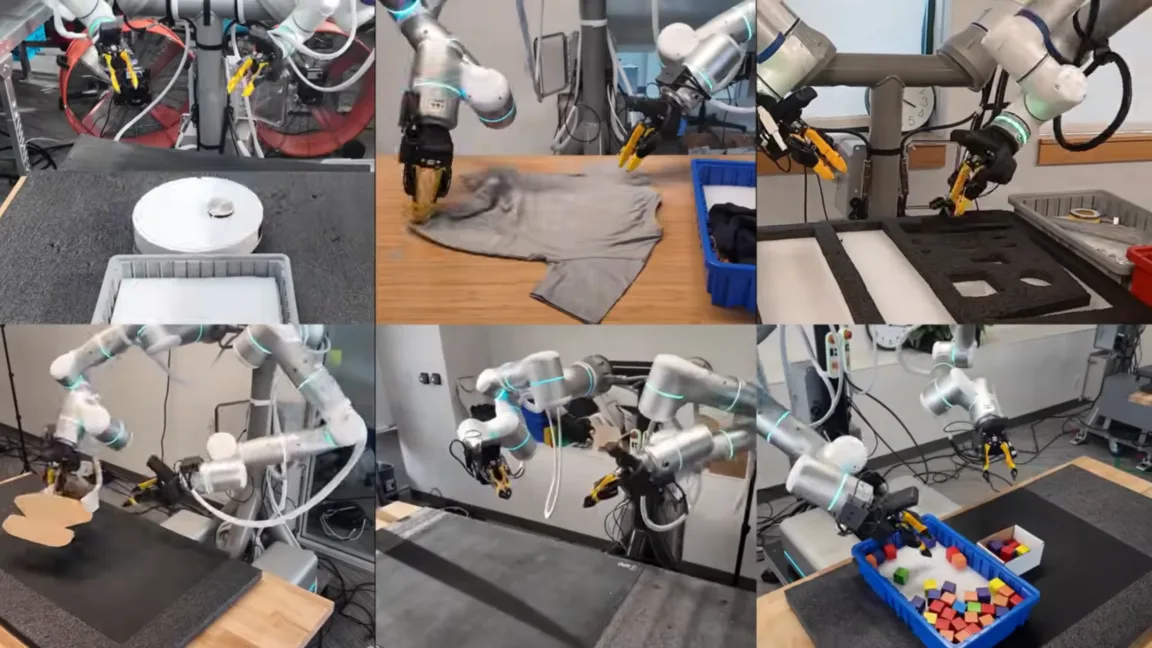
The GEN-1 robotics model has reached 99% reliability in executing tasks, according to Ars Technica. This advancement allows the model to handle disruptions and perform untrained actions. The development comes even as the robotics industry faces challenges in adaptability.
Task Execution Reliability
The GEN-1 model has demonstrated a 99% reliability rate in executing tasks such as folding boxes and fixing vacuums. This model, developed by a leading robotics firm, can adapt to disruptions and perform actions it was not specifically trained for. The achievement marks a significant milestone in robotics, as reported by Ars Technica.
Industry Challenges
Despite the success of the GEN-1 model, the robotics industry continues to face challenges in creating adaptable systems. Many companies, including major players in the field, are investing heavily in research to overcome these hurdles. The ability to respond to unforeseen circumstances remains a critical area of development.
Performance Threshold Achievement
The GEN-1 model is reported to be the first general-purpose AI to cross a new performance threshold by mastering simple physical tasks. It has improved average success rates to 99% on tasks where previous models achieved only 64%. This advancement highlights a significant leap in the capabilities of AI models in executing physical tasks.
What's Next
The robotics firm plans to integrate GEN-1 into commercial applications soon. It remains uncertain how quickly the industry will adapt to these advancements.
2 sources
GEN-1 robotics model achieves 99% reliability in task execution