Scientists identify gut biomarkers for early cancer detection using AI
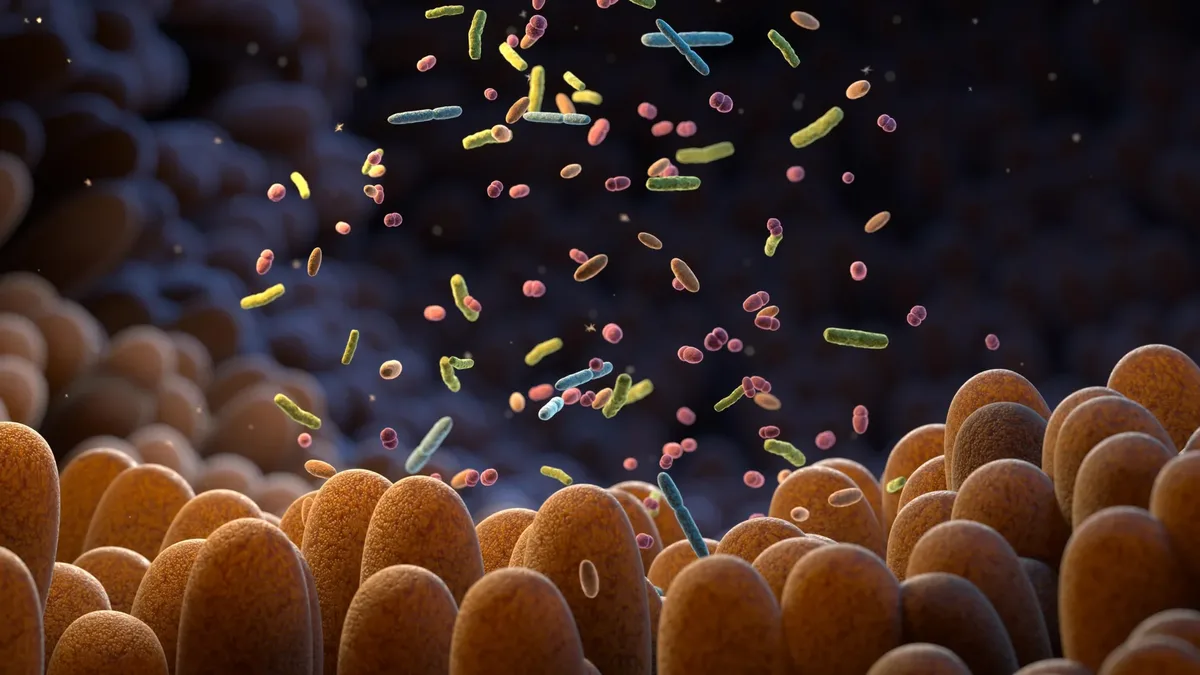
Scientists have discovered gut biomarkers that could enable early detection of cancer. The study, using AI, reveals interconnectedness among digestive diseases. This finding may lead to non-invasive diagnostic methods.
AI-Driven Research Findings
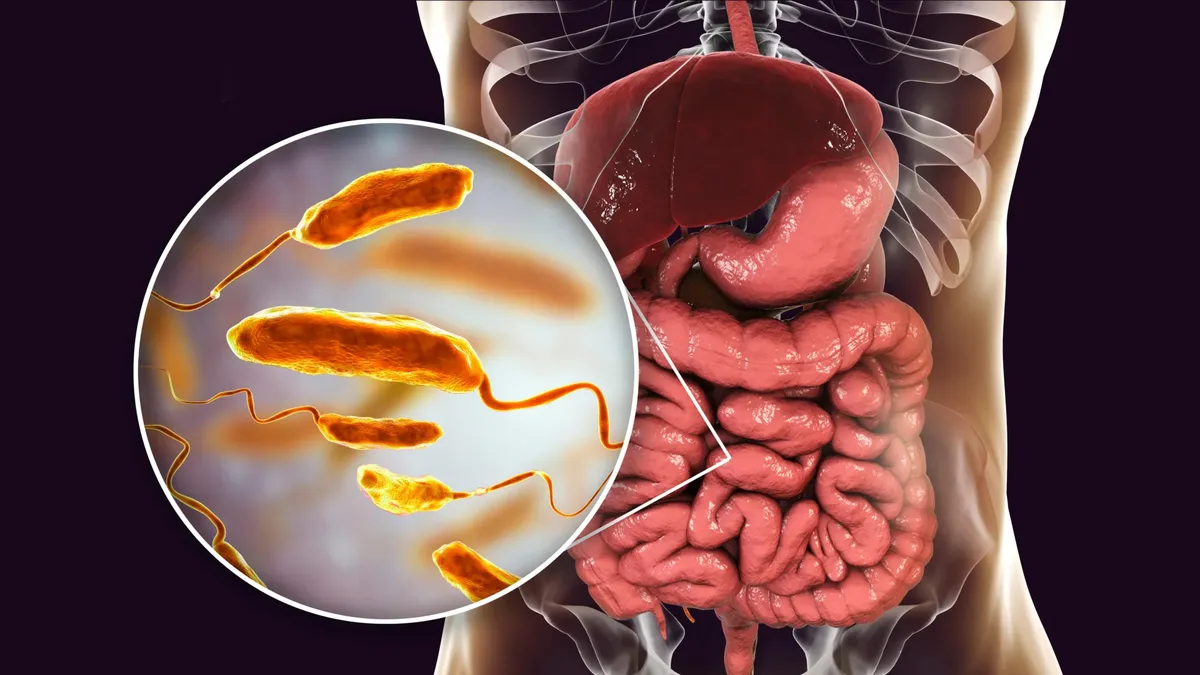
The study utilized artificial intelligence to analyze gut bacteria and metabolites. Researchers identified biomarkers that are linked to multiple digestive diseases, suggesting a complex interconnection. This approach was spearheaded by a team of scientists aiming to improve diagnostic accuracy. The study indicates potential for earlier detection of diseases like cancer. The findings could revolutionize how digestive diseases are diagnosed.
Implications for Medical Diagnostics
The discovery could lead to faster, non-invasive diagnostic procedures. Current methods often rely on invasive techniques, which the new approach could potentially replace. Early detection is crucial for improving treatment outcomes, according to medical experts. The research highlights the role of gut health in overall disease management. Institutions involved in the study include leading universities and research centers.
Diet-Microbiota-Metabolite Interaction
A recent case study highlights a novel interaction between diet, intestinal microbiota, and metabolite signaling in type 2 diabetes. This discovery underscores the potential for metabolomics to advance biomarker discovery programs. The findings suggest that dietary interventions could play a significant role in managing metabolic diseases through microbiota modulation.
What's Next
Further clinical trials are expected to validate these findings. It remains uncertain how soon these methods will be available in clinical settings.
2 sources
Scientists identify gut biomarkers for early cancer detection using AI